NB213-TOMREFJORD sister, of NB212-MALMEFJORD (120 PCU Electrical Ferry), built for Boreal Sjö AS, has departed Sedef Shipyard last week.
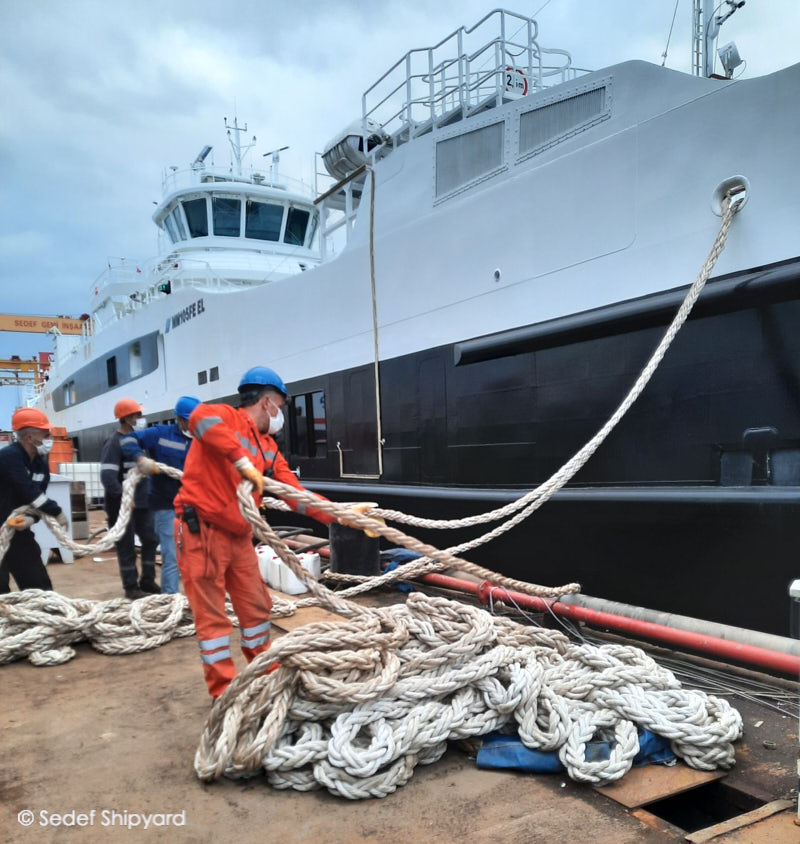
NB213-TOMREFJORD sister, of NB212-MALMEFJORD (120 PCU Electrical Ferry), built for Boreal Sjö AS, has departed Sedef Shipyard last week.
The Group’s parent company Rederi Ab Eckerö has successfully completed the placement of a bond loan:
An application for a listing of the bond on the market for corporate bonds at the Oslo Stock Exchange will be submitted. The funds received will be used to shorten existing loans.
Handelsbanken Capital Markets and Nordea.
Eckerö expects to be able to present a complete solution for the Group’s financing within the next month.

Ropax HEDY LAMARR is the last of 6 Baleària ferries to be retrofitted
Where: West Sea shipyard in Viana do Castelo (Portugal)
What:
When finished, Baleària will have nine vessels that can run on LNG.
Investment: 380 million euros (some is part of the CEF funds of the European Union).
After several months of cordial negotiation, the Baleària partners, Adolfo Utor with 57.5% of the shares and the Matutes group of companies (42.5%), have agreed to end their relationship of more than 17 years as partners in Baleària.
Adolfo Utor takes control of 100% of the shares of the shipping company of which he was the founder.
The first renderings of the Scottish-led HYSEAS III project, which aims to build Europe’s first sea-going ferry powered by hydrogen fuel cells, have been completed.
As a double-ended sea-going passenger and car ferry, it will have capacity for 120 passengers and 16 cars or two trucks.
It has been designed to operate on the route between Kirkwall and Shapinsay in Orkney, where hydrogen fuel is generated through wind power, although it will be capable of operating at other ports where hydrogen could become available in the future.
The EU-funded HYSEAS III programme involves partners CMAL, St. Andrew’s University, Orkney Islands Council and several European organisations.
The designs, by AqualisBraemar LOC Group, show how a vessel purely powered by renewable energy may look and will provide a blueprint to the further development of zero-emissions ferry travel.
The next stage of the project will see the consortium seek feasibility approval in principle of the designs from DNV.
The design will be complete in March 2022, at which point CMAL will seek funding partners to take the approved design to the procurement stage, which will lead on to the eventual tendering and construction of the vessel.
Eni and Fincantieri have signed a Memorandum of Understanding to establish a partnership for promoting initiatives focused on the energy transition. The aim is to create a system of integrated solutions for decarbonization projects in the fields of energy, transport and the circular economy.

P&O is rolling out a new customs clearance service to help firms navigate the new rules for import and exports.
The new service is equipped to assist customers with empty declaration requirements from this month, providing tailored support throughout the last quarter of 2021.
As international trade continues to emerge from the Covid-19 pandemic, the service will develop the provision of smart logistics solutions, ensuring customers are prepared for evolving requirements and future regulatory changes.
With the UK Government Brexit changes scheduled to be implemented from 1 January 2022, P&O Ferries is also developing a range of digital solutions to help customers with their requirements, which will be rolled out in phases in the months ahead.
ECSA supports the objective of the FuelEU Maritime proposal to foster the uptake of cleaner fuels in shipping. However, the proposal may become a missed opportunity due to enforcement loopholes.
Making the EU fuel suppliers responsible for meeting the fuel standards will substantially address the enforcement concerns and will be consistent with other proposals of the ‘Fit for 55’package.
Fostering demand is key and the incentives and tools provided by the proposals of the ‘Fit for 55’ package should be used.
Flexibility is welcomed but double requirements should be avoided. A new MRV system is unceccesary and burdensome.
Finally, ships should not be penalised when Onshore Power Supply is not available in ports.

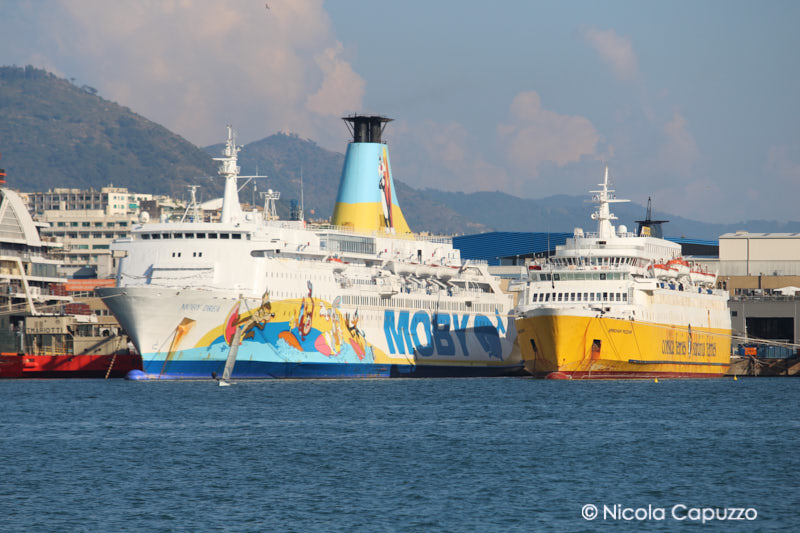
Corsica Ferries seem to have finally sold their veteran ferry SARDINIA REGINA as anticipated last summer with a public announcement released by the Coast Guard in Genoa.
The vessel was expected to change flag (and ownership) from Italy to Libya. Indeed, the new owner appears to be Kevalay Travel & Tourism.
SARDINIA REGINA, operated by Corsica Ferries since 1986 on the routes linking France and Italy to Corsica, is now expected to be renamed KEVALAY QUEEN and should be deployed on a new regular line between Turkey (Izmir) and Libya (Misurata)
After the first summer season under control of the new owner, Grimaldi Group, Trasmed GLE’s fleet will undergo an important refitting program.
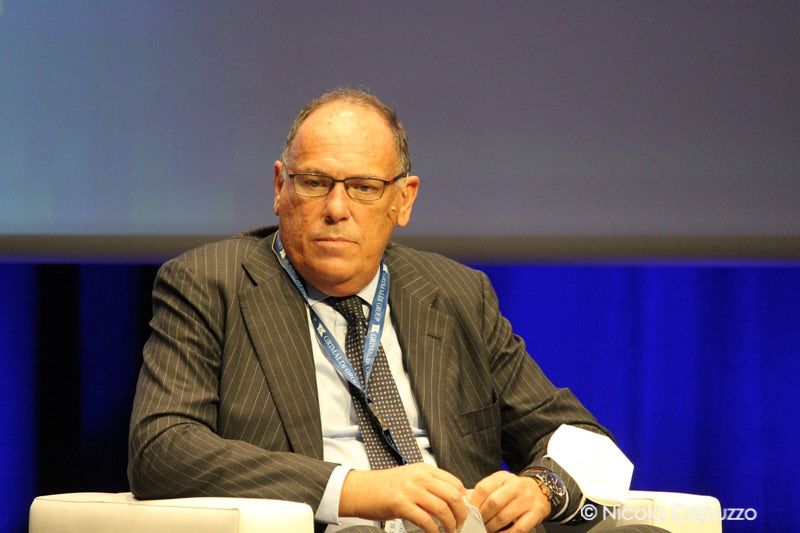
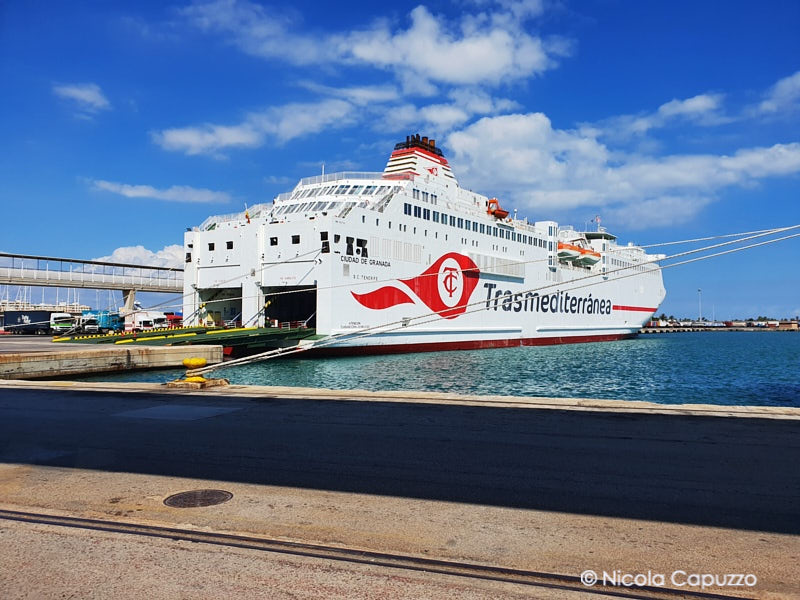
CEO Ettore Morace told Ferry Shipping News that all the ropax units controlled by Grimaldi (CIUDAD DE PALMA, VOLCÁN DEL TEIDE, VOLCÁN DE TIJARAFE and CIUDAD DE GRANADA (photo)) will be refurbished . The investment is worth EUR 30 million.
Ropax CIUDAD DE MAHÓN is to be put up for sale soon.
Roro EUROFERRY EGNAZIA has been chartered-in by Trasmed Gle, from Grimaldi Euromed.
The refitting program will take shape in the coming months in a shipyard located in the West Mediterranean Sea (Italy, Spain or Malta) and include mainly the restyling of internal spaces, installation of scrubbers and some investments in IT.