Zeebrugge roro berth renovation will allow new vessels to be used on UK trade

By 2021 Newsletter week 44

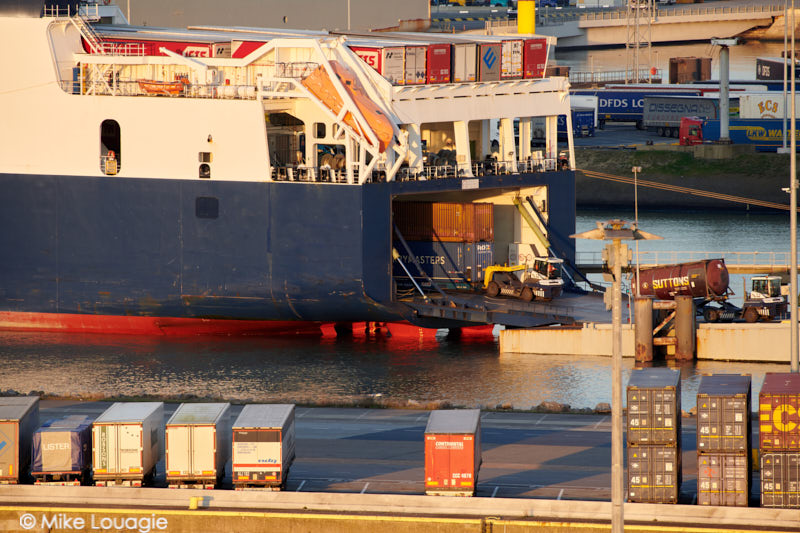
At the beginning of November, a complete renovation of the roro berth at quay 609 in the Brittanniana dock in Port of  Zeebrugge will start.

The jetty will be renovated and widened to accommodate CLdN’s larger H5 roro’s. This will allow CLdN to use H5 vessels on all UK desitinations.

There will be no impact on the services to the UK during the four months of renovation work.
Rederi AB Gotland’s H1 Results

By 2021 Newsletter week 43

Group Results (1 January – 31 August)

+Revenue SEK 1,624 million (SEK 1,393 million)

+Operating profit SEK 193 million (SEK 115 million)

+Profit after financial items SEK 219 million (SEK 129 million)

Ferry

+43% passengers

The improvement in earnings is largely due to more travellers and visitors to and from Gotland. Demand for travel has increased after the authorities eased the corona restrictions.

The newly started ferry line between Nynäshamn and Rostock which is operated by Hansa Destinations AB is a long-term investment that in the long run can contribute to the group’s result.

Molslinjen: a new record on the Kattegat

By 2021 Newsletter week 43

The Kattegat’s three fast ferries have been busy like never before in the autumn holidays.

A new record has been set.

  • Pax: 143,331 (117,689 passengers in the same period 2020, and in 2019 the figure was the previous record of 132,264 passengers)
  • Cars: 47,271 (38,546 cars in 2020. In 2019, the number of cars was 42,031)

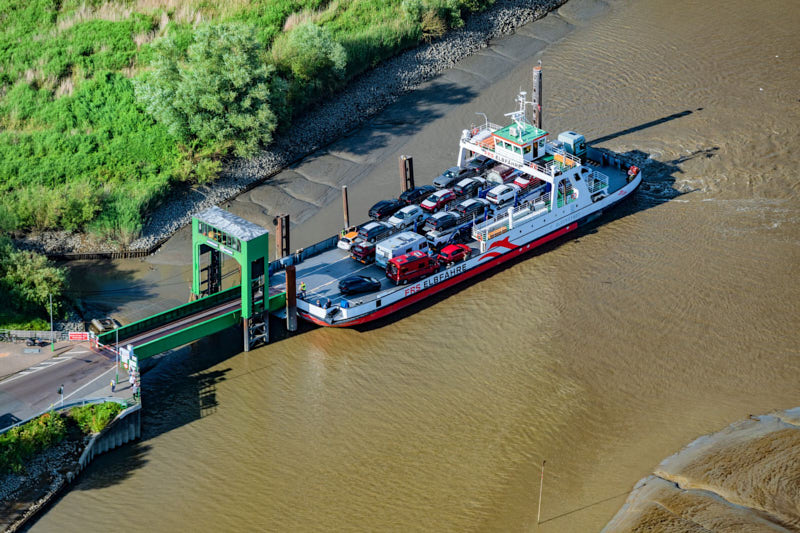
FRS Elbfähre Glückstadt Wischhafen draws a positive balance after a year under FRS management

By 2021 Newsletter week 43

After the first year, FRS draws a positive conclusion about the takeover of the Elbfähre Glückstadt Wischhafen.

  • First steps towards digitalization: new sales system + onboard card payment.
  • The takeover by FRS took place in the middle of the pandemic: difficult first seven months due to lockdowns.
  • Since June 1, the four ferries have been running for the first time since the start of the pandemic to the same extent as they were last time in March 2020.
  • Since August, the transport volume have also been back to pre-Corona levels.

Future

FRS Elbfähre has developed a concept paper that sets up the future of the ferry line with green mobility for northern Germany.

  • Emission-free ferry operation is possible with new propulsion technologies of the existing ships, or with newbuildings.
  • Relocating the ferry pier in Wischhafen could also reduce the crossing time and thus increase the number of departures.
  • FRS is in talks with politicians and the nature conservation associations BUND and NABU to discuss the alternatives to the A20 Elbe Tunnel project. “This project is not justifiable for ecological, financial or economic reasons,” says FRS. (see the statement in German on the FRS website).
  • The silting up of the Wischhafener Süderelbe represents a major challenge in ferry traffic. Due to the deepening of the Elbe, among other things, the side arm of the Elbe is silting up more and more, making smooth ferry operations increasingly difficult.

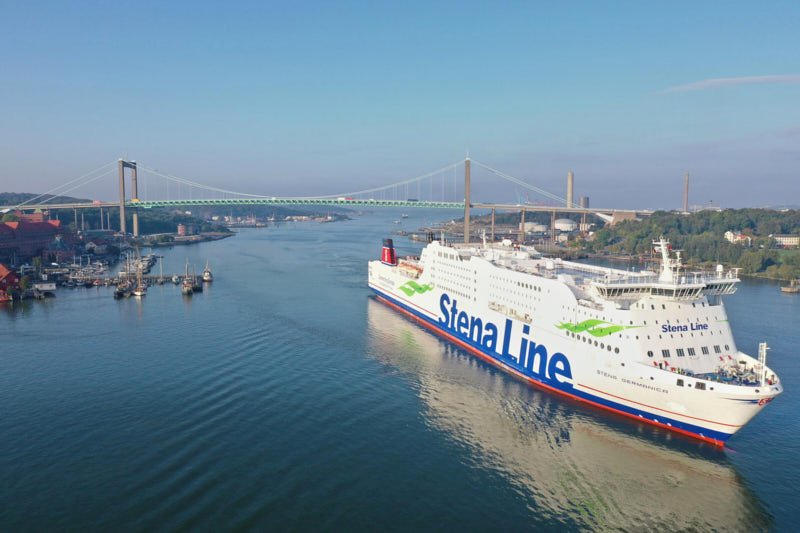
Proman and Stena jointly develop methanol as the pathway to sustainable shipping

By 2021 Newsletter week 43

“Transitioning to low-carbon fuels will be essential to secure the long-term future of the industry. Methanol offers not only immediate, and urgently required, benefits but the only clear pathway to a sustainable future,” says Stena.

Proman and Stena are committed to jointly developing a Retrofit & Supply solution, enabling both Stena’s vessels as well as third party vessels to experience the immediate environmental benefits and greenhouse gas emission reductions delivered by methanol.

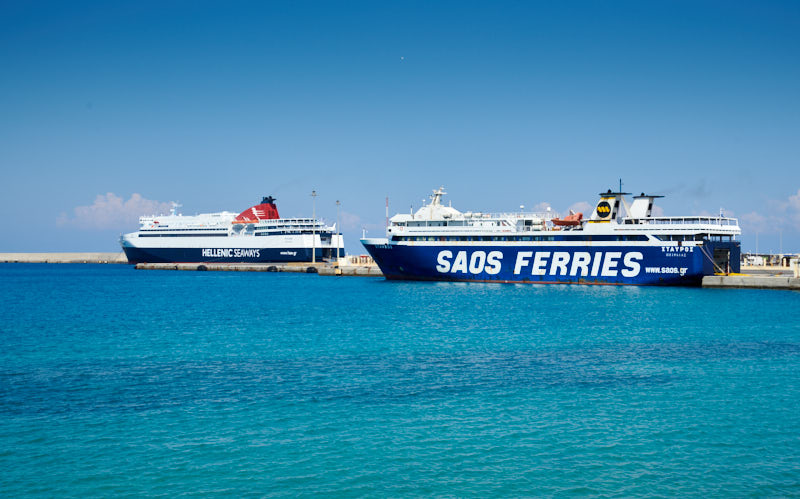
XRTC’s 20th Annual Report on the Greek Ferry Market 2021

By 2021 Newsletter week 43

Ferry Shipping News already wrote about this report from XRTC Consultants. Below you can now access the English version of this study.

  • One of the biggest challenges facing the industry is the renewal of the (Greek) Ferry Fleet.
  • According to a relevant study by NEE and SEEN, in 2030, 32.7% of the Ferry Fleet will be older than 40 years, with 18 ships being older than 50 years.
  • Characteristic of the aging of the fleet is that the whole fleet is over 7 years old with a median age of 25 years.
  • This means that in the next 10 years, 50% of the existing fleet will have to be replaced.

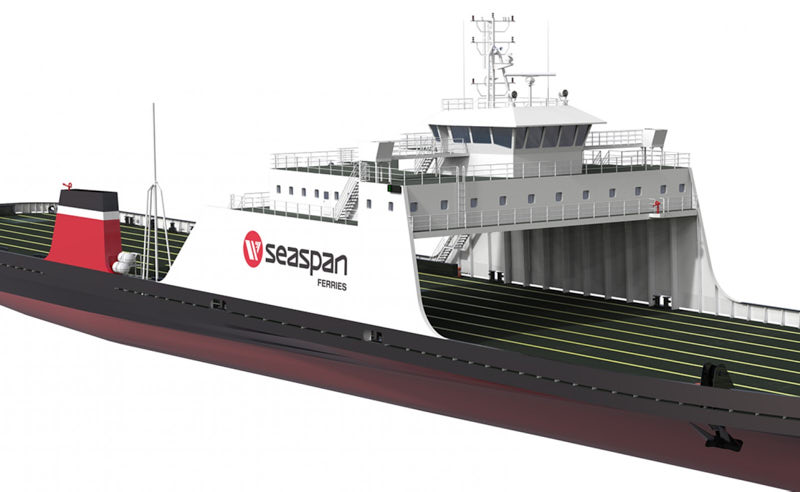
Seaspan Ferries believes in carbon-neutral Renewable Natural Gas

By 2021 Newsletter week 43

Seaspan became the first Canadian marine company to pilot the use of Renewable Natural Gas (RNG) to reduce greenhouse gas emissions produced by its LNG-powered fleet. Seaspan expects that data from the pilot will confirm that, by using RNG, greenhouse gas emissions can be reduced by upwards of 85 per cent versus traditional diesel fuel.

Seaspan has worked closely with FortisBC Energy Inc. to secure a source of certified carbon neutral RNG.

When bacteria break down organic waste from sources such as landfill sites, agricultural waste and wastewater from treatment facilities, it produces a biogas mostly made of methane. FortisBC captures and purifies this biogas to create RNG, a certified carbon neutral energy source, preventing the release of methane into the environment.