

Baleària Starts Sea Trials Of MERCEDES PINTO

By 2026 Newsletter week 17

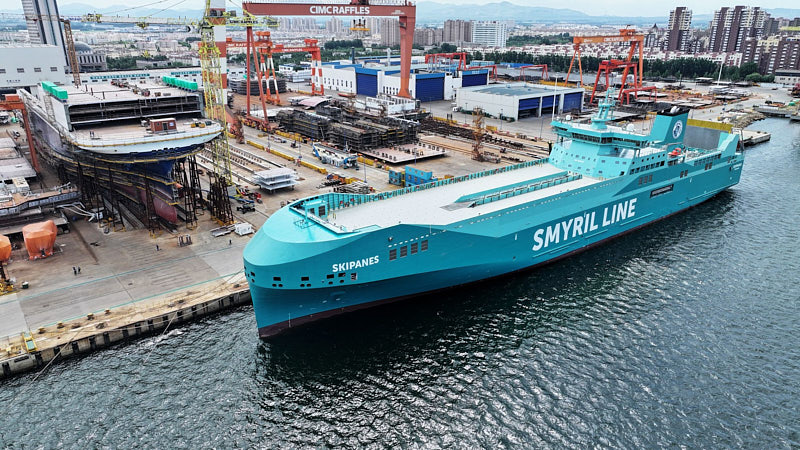
Baleària has started sea trials in Gijón for the fast ferry MERCEDES PINTO, the company’s third dual-fuel natural gas catamaran being completed at the Armon shipyard.

Delivery is expected in May. Baleària plans to deploy the vessel on Canary Islands routes once the acquisition of Armas Trasmediterránea’s island assets is completed.

The trials will assess manoeuvrability, speed, stability, engine performance, and the operation of power, navigation, safety and propulsion systems. Tests will be carried out using both natural gas and diesel.

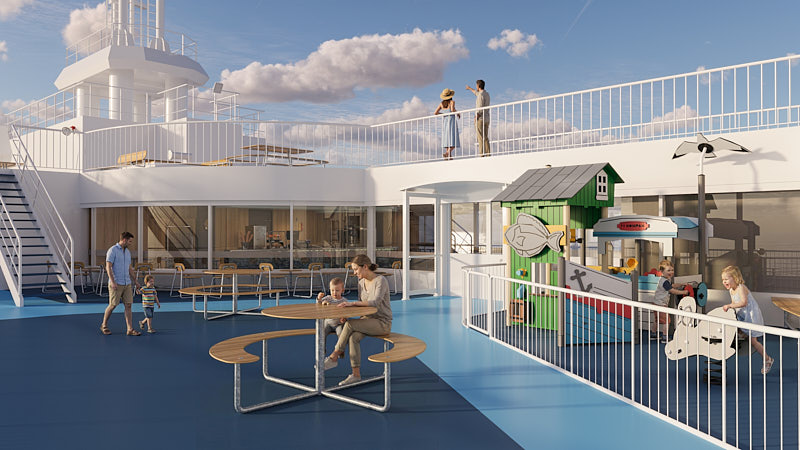
MERCEDES PINTO will carry up to 1,200 passengers and 425 vehicles. The vessel follows the design and comfort standards of sister ships ELEANOR ROOSEVELT and MARGARITA SALAS.

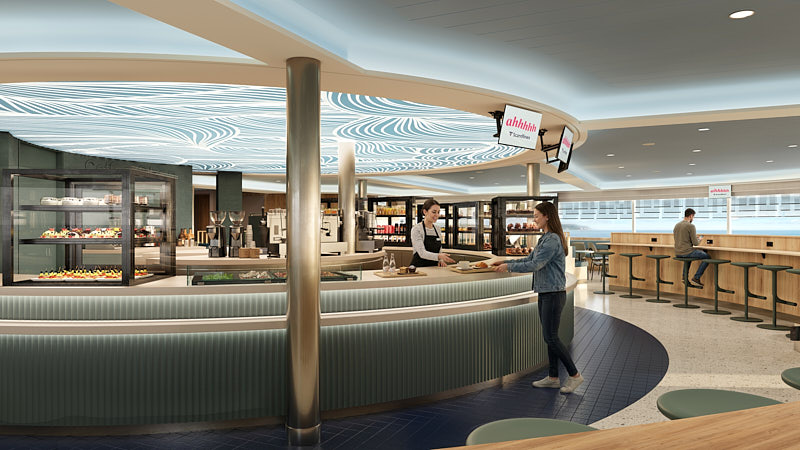
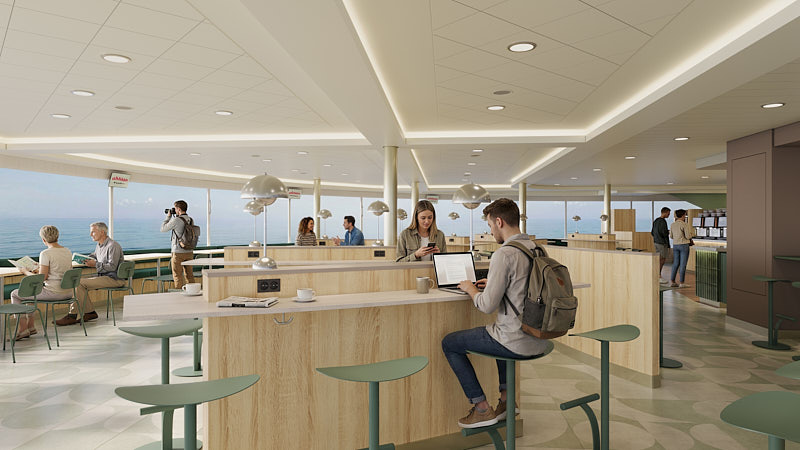
Facilities include two passenger decks, indoor and outdoor cafés, a children’s play area and pet-friendly spaces.

The vessel is named after Mercedes Pinto, the Tenerife-born writer, poet and social reform advocate.

CAPU DI MURU Officially Joins The CORSICA linea Fleet

By 2026 Newsletter week 17

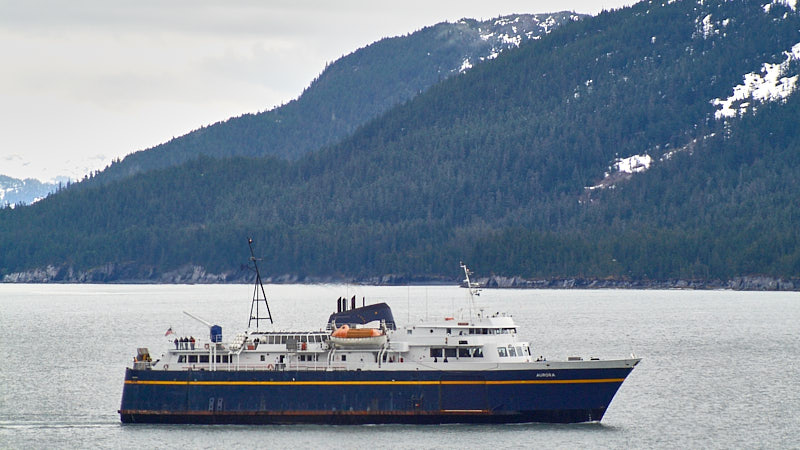
On 20 April, CORSICA linea officially welcomed the “new” ferry CAPU DI MURU during a ceremony in the port of Marseille, attended by its seagoing and shore-based teams.

Following the inauguration, the RoPax vessel entered service on the Marseille–L’Île-Rousse route, replacing MONTE D’ORO. MONTE D’ORO will leave the fleet.

CAPU DI MURU is the new name of the former KALLISTE, previously operated by La Méridionale. The ferry had initially been destined for scrapping, but that plan changed after strong union pressure to keep the vessel in service.

CORSICA linea’s Social and Economic Committee (CSE) approved the purchase in March 2026, saving the ship from planned demolition in Turkey.

External Conditions Impact Port Of Antwerp-Bruges’ Quarterly Results

By 2026 Newsletter week 17

Weather disruption, strikes and geopolitical tensions weighed on cargo volumes at Port of Antwerp-Bruges in the first quarter of 2026, although March showed signs of recovery.

The port handled 65.5 million tonnes of maritime cargo, down 3.2% compared with the same period last year.

General cargo fell 4.4%, with containers and conventional cargo under pressure. Bulk cargo remained broadly stable, down 0.6%.

The RoRo segment recorded growth, supported by higher volumes of new vehicles and high & heavy equipment.

Shortsea RoRo traffic continued to feel the impact of the EU Emissions Trading System (ETS), especially on longer routes. However, the shift to road transport appears to be slowing as diesel prices rise.

Despite current challenges, the port continues to invest in long-term development and future capacity.

Source: https://newsroom.portofantwerpbruges.com/en/press-releases/external-conditions-impact-port-of-antwerp-bruges-quarterly-results

Santander Port Awards Passenger Assistance Contract For EES Rollout

By 2026 Newsletter week 17

The Port Authority of Santander has awarded a EUR 1.79 million, 36-month contract to Interim Services Solutions for auxiliary passenger assistance services linked to the rollout of the EU Entry/Exit System (EES) and ETIAS.

The staff will support the National Police by assisting third-country passengers at passport control points, helping to speed traffic flows and maintain Brittany Ferries’ turnaround times.

Port President César Díaz said the service is designed to ensure efficient implementation of the new border controls while protecting a strategic traffic segment for the port.

Carus To Power New Ålandslinjen Ferry Service

By 2026 Newsletter week 17

Carus has announced a strategic cooperation with Rederi Ab Ålandslinjen, the newly established operator planning to restore the traditional maritime link between Mariehamn and Kapellskär.

Headquartered on the Åland Islands, Carus will supply a full booking and reservation package.

For Carus, the partnership also has a regional dimension, supporting connectivity and economic activity in its home market.

Ålandslinjen founder Johnny Sid is currently working with private investors and port authorities to finalise operational arrangements. The service aims to offer two daily roundtrips during the peak season.

More information: alandslinjen.com

Photo: Anders Rundberg, CEO of Carus and Ålandslinjen founder Johnny Sid

Color Line Cargo Reaches Digitoll Milestone for Sea Freight

By 2026 Newsletter week 17

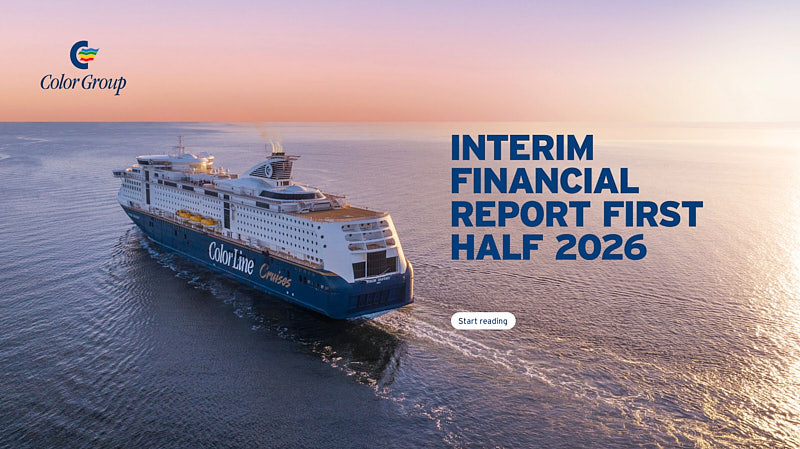
Color Line Cargo has announced a key milestone in the rollout of Norway’s Digitoll customs solution for sea transport.

On 21 April, SUPER SPEED 1 completed a successful border crossing to Larvik under the new system. Norwegian Customs then gave clearance for declarations covering unaccompanied freight units, allowing onward transport to continue without disruption.

Color Line Cargo said the achievement followed close cooperation with system providers and the Norwegian Customs Authority.

The company has already worked with Digitoll for road transport over the past two years, but noted that implementation for sea freight required even closer coordination.

Brittany Ferries Confirms Stable Fares And Sailings For 2026

By 2026 Newsletter week 17

Brittany Ferries says customers can book 2026 travel with confidence, confirming no fare increases or service disruption across its ferry and holiday products.

The company said fuel supplies for its fleet are fully secured, ensuring continued operations on routes from France to the UK, Ireland, Spain and Guernsey throughout the year.

Brittany Ferries added that forward fuel purchasing has helped protect operating costs from market volatility, allowing greater price stability for customers.

CEO Christophe Mathieu said the priority is to offer passengers certainty and confidence when planning holidays.

The operator also reported a 37% increase in bookings over the past 15 days, compared with the same period last year, for travel in July and August.

Molslinjen Reports Best First Quarter in Company History

By 2026 Newsletter week 16

Molslinjen’s Kattegat fast ferries delivered the strongest first quarter in the company’s history.

During Q1 2026, the catamarans carried almost 680,000 passengers and more than 290,000 passenger cars. That was nearly 5% more passengers and 5.6% more cars than the previous record set in early 2024.

According to Commercial Director Lucas Kragh, demand was boosted early in the year by poor weather, which encouraged more travellers to choose the ferry. Electric vehicles made a notable contribution, filling deck space in high numbers.

Traffic accelerated further in March, with volumes up 14% year-on-year. Electric cars accounted for 35% of all cars carried during the month.

Molslinjen said its marketing campaign positioning the ferry as “the smart road” helped drive market share gains, particularly versus the Great Belt bridge.

The group’s coach operator, Kombardo Expressen, also contributed positively, benefiting from disruption caused by reconstruction works at Aarhus Station.

DFDS Raises 2026 EBIT Outlook

By 2026 Newsletter week 16

DFDS has upgraded its 2026 EBIT guidance following stronger-than-expected progress in the first quarter.

The company now expects EBIT of DKK 1.0-1.4 billion, up from the previous outlook of DKK 0.8-1.1 billion.

According to DFDS, five of the six operational turning points supporting the earnings plan performed ahead of expectations in Q1. The largest contribution came from the Mediterranean ferry network, while the sixth turning point was in line with expectations.

Further improvements are anticipated during the coming quarters.

DFDS also noted that the sharp rise in oil prices, together with a wider spread between high- and low-sulphur fuel, had a negative impact in March. Based on current market levels, this effect is expected to turn positive in Q2.