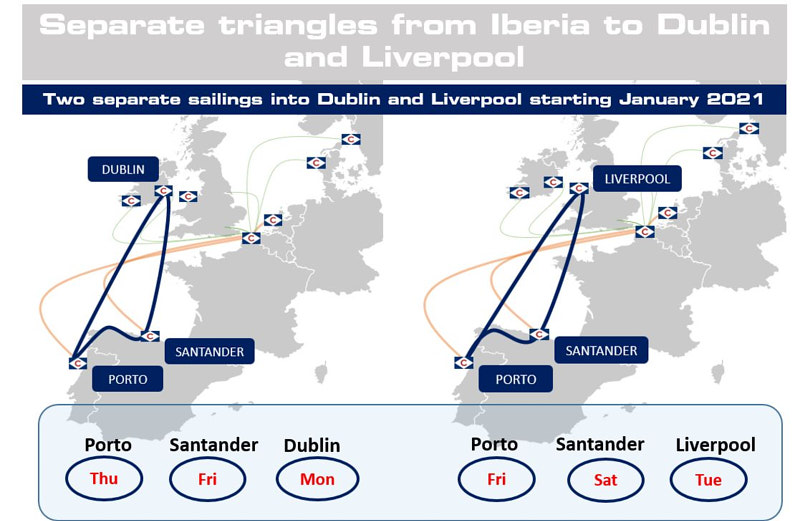
CLdN Cargo has signed an exclusive commercial agency agreement with Macama srl to represent the CLdN Cargo companies in the Italian market. The cooperation has started the 1st of December 2021.
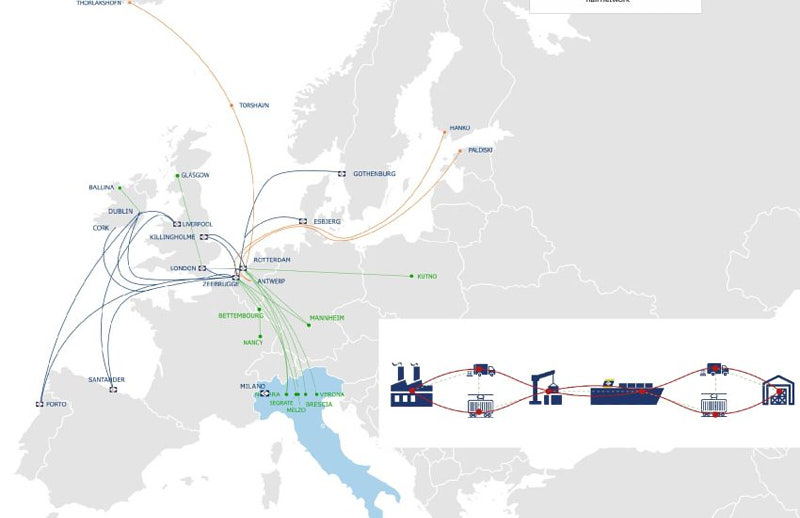


CLdN Cargo has signed an exclusive commercial agency agreement with Macama srl to represent the CLdN Cargo companies in the Italian market. The cooperation has started the 1st of December 2021.
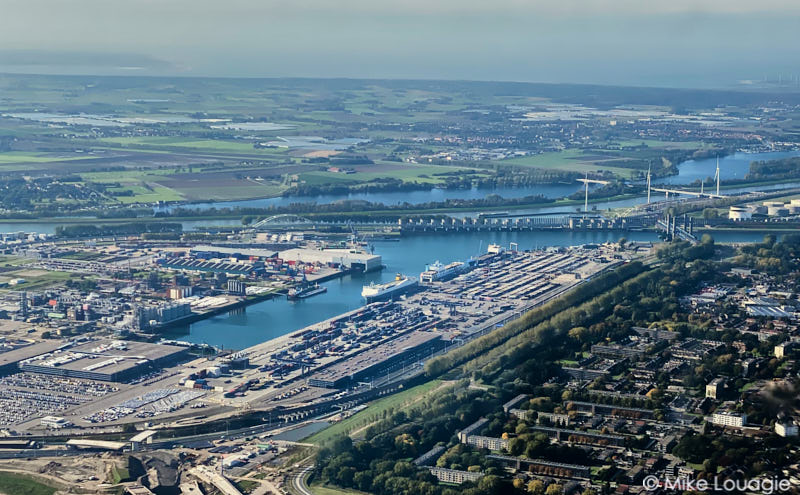
On 1 January 2022, UK customs procedures become more stringent. (*)
As a result, freight customers demand for earlier arrivals into the UK, and improved frequency. Therefore, DFDS and CLdN have entered into a Space Charter Agreement.
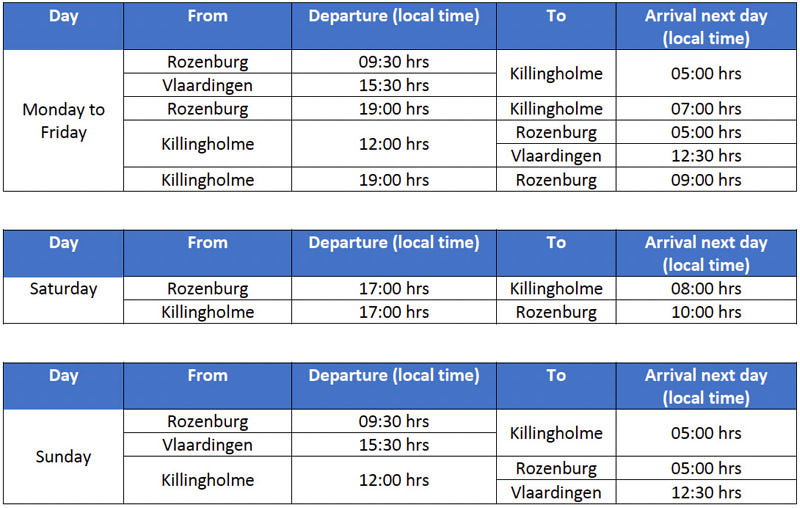
DFDS and CLdN will each provide one additional vessel, on a rotation Rozenburg – Vlaardingen – Killingholme from Sunday through Friday.
“At the moment we do indeed arrive at Killingholme at 07:00, but the early arrival (at 05:00) of this additional sailing makes all the difference for customers as it allows them to do an extra trip in the UK, which is very interesting given the traction problem there,” says a CLdN spokesman. “In addition, the earlier arrival is important for certain product groups.”
In Rotterdam, customers will have the possibility to load and discharge cargo in either Rozenburg and/or Vlaardingen.
DFDS and CLdN will continue operating all sailings independently including all related commercial activities.
This additional service will start on 11 January 2022.
Extra advantage: by going to C-Ro’s terminal in Killingholme, any congestion at DFDS’ terminal in Immingham will be relieved.
(*) [BOM, border operating model, explained by Dutch Government]
Remarks
KiwiRail has chartered the CLdN Kawasaki-type roro VALENTINE for an initial 12 months.
It is due to arrive in mid-December.
Ropax KAIARAHI (ex STENA ALEGRA) requires major repairs to its gearbox after its sudden failure, and those repairs are expected to take at least until March.
The remaining two Interislander ferries, ARATERE and KAITAKI cannot serve the market alone. The freight-only ferry will free up space for passengers and their vehicles on the other ferries, ensuring New Zealanders can travel during the summer holiday season.

Last week Grimaldi announced the start of an Antwerp – Cork roro feeder service.
Now CLdN says it will increase sailings between the Continent and Ireland, from eight to ten in each direction, on a weekly basis.
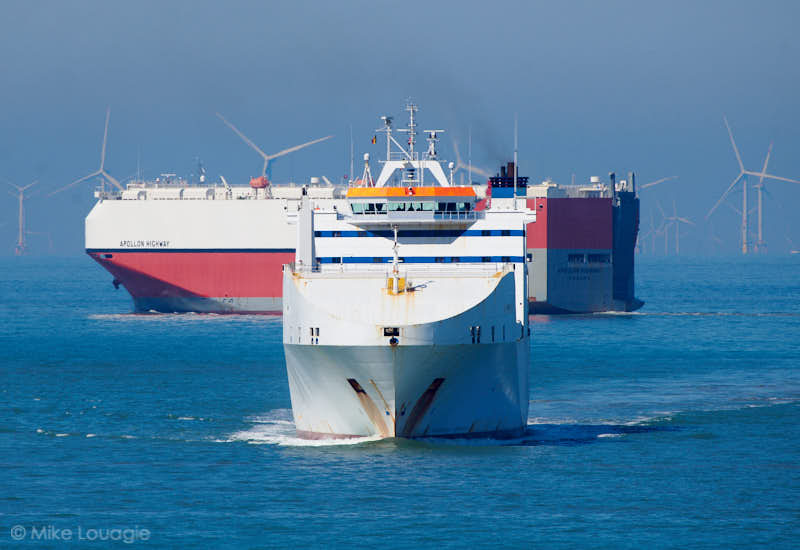
DFDS and CLdN have sold ships to each other, and chartered them back.
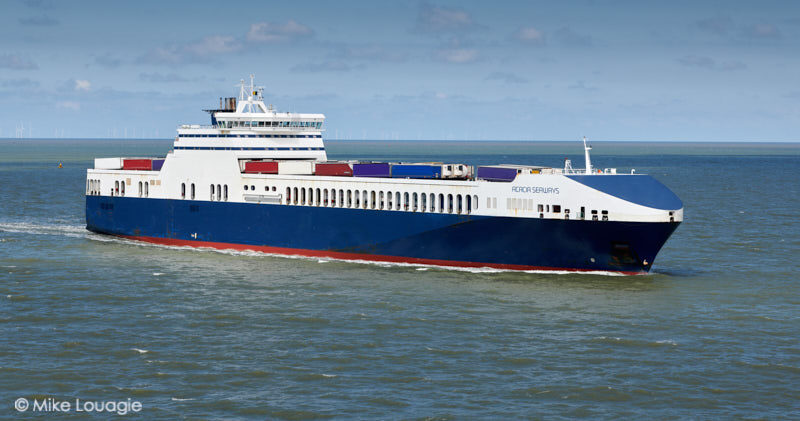
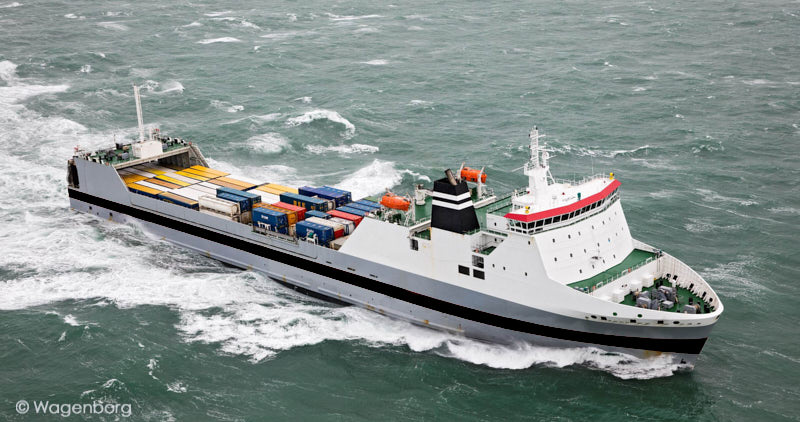
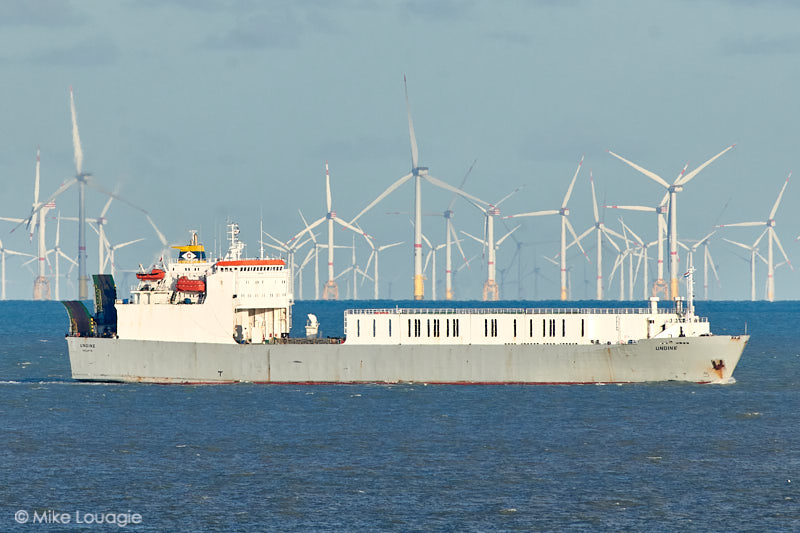
Moby also announced that “is voluntarily discontinuing its lawsuit against a group of U.S. and European asset management firms because the lawsuit has facilitated productive discussions between Moby and its creditors including the defendants towards reaching a long-sought agreement on Moby’s restructuring”. (source: note to investors)
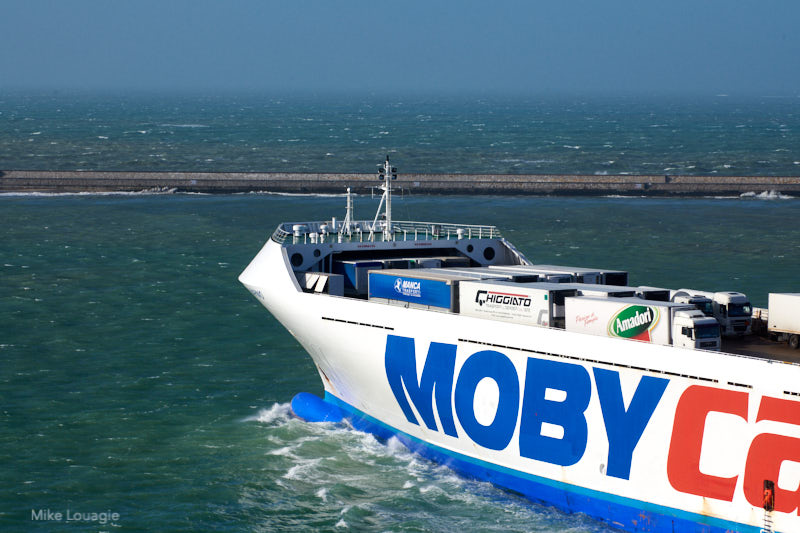
CLdN increases capacity by the introduction of additional sailings on its Irish and UK routes.
Zeebrugge – Dublin: from 2 to 3 sailings a week
Zeebrugge – Killingholme: a new Friday sailing (7 sailings per week)
Zeebrugge – Purfleet: extra weekend sailing on Sunday (12 sailings per week).
Two vessels have rejoined the CLdN fleet: WILHELMINE is no longer chartered by P&O Ferries and CADENA 3 (ex MASSIMO MURA) is no longer sailing for Tirrenia Cargo.
After working for Grendi, SEVERINE is now on charter to GNV.
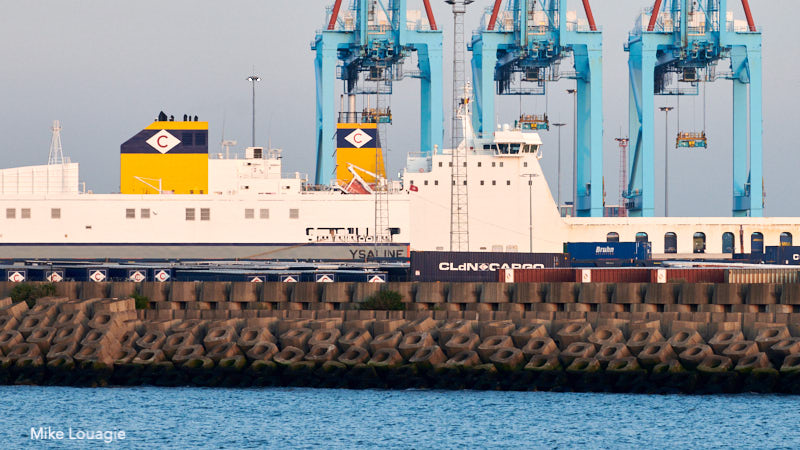
Port of Zeebrugge: Growth of 3% in 2020
Zeebrugge stayed 100% operational during the pandemic. Roro traffic suffered because of the reduced handling of new cars. This drop was compensated by a strong growth in container traffic, LNG and solid bulk.
The port took a lot of initiatives to be Brexit-proof and invested twice as much into new infrastructure.
Modal shift: the port sees an important growth of rail connections, and estuary waterway connections went up 4.2%
CLdN
P&O Ferries
DFDS
Read the full report
https://portofzeebrugge.be/en/news-events/port-zeebrugge-3-growth-2020
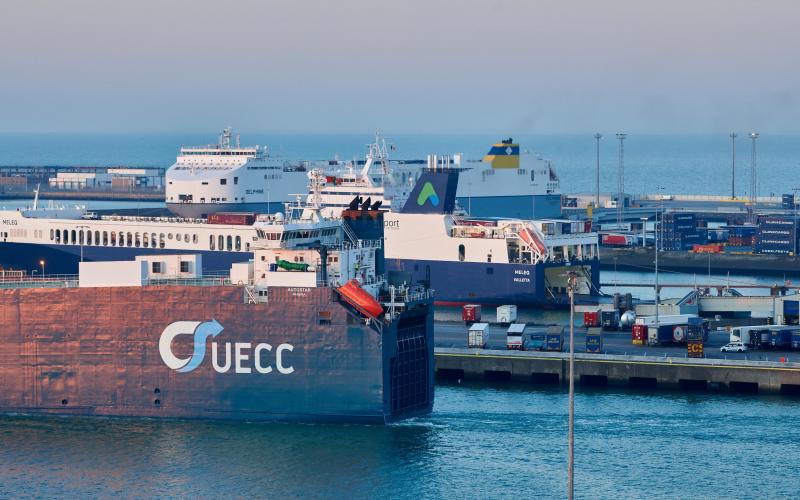
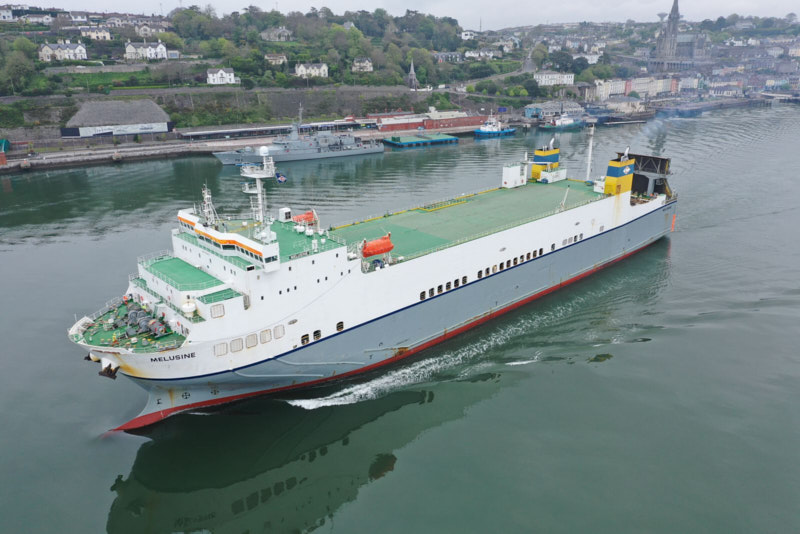
Following a strong start to CLdN’s weekly Con-Ro service from Cork to Zeebrugge, the shipping line announced a second call to accommodate demand. This second direct service from Cork to the EU commenced on 7 January, offering more flexibility to Irish customers, ensuring supply chains are maintained.
How it was:
How it will be as from January 2021: