- Freight volumes remained resilient, despite a dry-docking period for FINLANDIA in January. Total freight units fell 2% to 101,874, but excluding the docking effect, February–June volumes reached a record 89,565 units.
- Passenger traffic declined 8% to 1.33 million passengers. On the Finland–Estonia route, passenger volumes fell 9%.
- Revenue decreased 3% to EUR 104.9 million.
- Operating result (EBIT) dropped from EUR 5.7 million to a loss of EUR 6.7 million, while net profit fell to a loss of EUR 5.8 million.
- The deterioration was mainly caused by:
- higher bunker prices following tensions in the Middle East;
- increased EU ETS costs, as emissions coverage rose from 70% to 100% of fuel consumption;
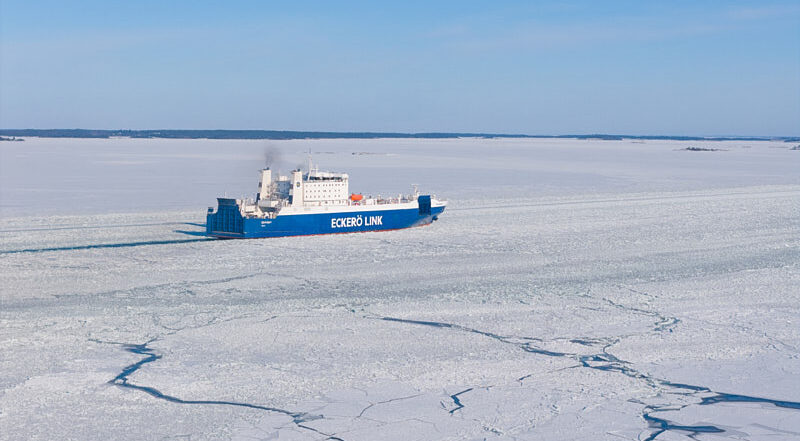
- start-up costs related to the new Eckerö Link operation.
- Second-quarter freight volumes reached a record level, increasing 2% year-on-year to 52,517 freight units.
- Eckerö’s market share on the Finland–Estonia route stood at 41% for freight and 27% for passengers during the first half.
Fleet developments
- Eckerö confirmed the acquisition of STENA NAUTICA, announced on 11 May.
- The vessel will enter service for subsidiary Eckerö Link Ab in autumn 2026 on the Åland–Finland route.
- STENA NAUTICA will replace FJÄRDVÄGEN (formerly SAILOR), providing improved cargo handling and better energy efficiency. Both existing vessels on the route are expected to be offered for sale once the replacement is completed.
Financial position
- Investments during the first six months amounted to EUR 9.3 million, including vessel upgrades, energy-efficiency measures and IT systems.
- The company maintained a strong balance sheet, with an equity ratio of 56.1% and net debt of only EUR 1.0 million.
Outlook
Eckerö expects 2026 earnings to remain under pressure due to geopolitical uncertainty, elevated energy costs and lower expected gains from asset sales. The company also notes that the ongoing review of pandemic-related state aid could have a further negative impact on future results.