

Eckerö Group H1 2026: Freight Remains Strong but Profits Hit by Energy Costs Key takeaways

By 2026 Newsletter week 29
  • Freight volumes remained resilient, despite a dry-docking period for FINLANDIA in January. Total freight units fell 2% to 101,874, but excluding the docking effect, February–June volumes reached a record 89,565 units.
  • Passenger traffic declined 8% to 1.33 million passengers. On the Finland–Estonia route, passenger volumes fell 9%.
  • Revenue decreased 3% to EUR 104.9 million.
  • Operating result (EBIT) dropped from EUR 5.7 million to a loss of EUR 6.7 million, while net profit fell to a loss of EUR 5.8 million.
  • The deterioration was mainly caused by:
    • higher bunker prices following tensions in the Middle East;
    • increased EU ETS costs, as emissions coverage rose from 70% to 100% of fuel consumption;
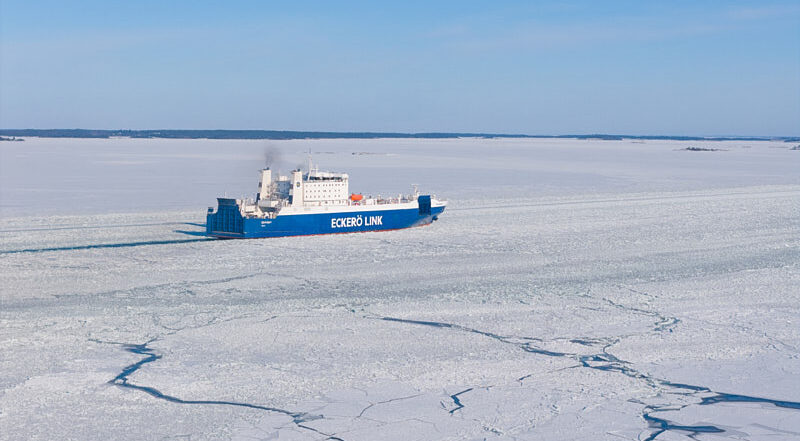
    • start-up costs related to the new Eckerö Link operation.
  • Second-quarter freight volumes reached a record level, increasing 2% year-on-year to 52,517 freight units.
  • Eckerö’s market share on the Finland–Estonia route stood at 41% for freight and 27% for passengers during the first half.

Fleet developments

  • Eckerö confirmed the acquisition of STENA NAUTICA, announced on 11 May.
  • The vessel will enter service for subsidiary Eckerö Link Ab in autumn 2026 on the Åland–Finland route.
  • STENA NAUTICA will replace FJÄRDVÄGEN (formerly SAILOR), providing improved cargo handling and better energy efficiency. Both existing vessels on the route are expected to be offered for sale once the replacement is completed.

Financial position

  • Investments during the first six months amounted to EUR 9.3 million, including vessel upgrades, energy-efficiency measures and IT systems.
  • The company maintained a strong balance sheet, with an equity ratio of 56.1% and net debt of only EUR 1.0 million.

Outlook

Eckerö expects 2026 earnings to remain under pressure due to geopolitical uncertainty, elevated energy costs and lower expected gains from asset sales. The company also notes that the ongoing review of pandemic-related state aid could have a further negative impact on future results.
Source (in Swedish):

Grendi Horizon enters service on Sardinia and North Africa routes

By 2026 Newsletter week 29

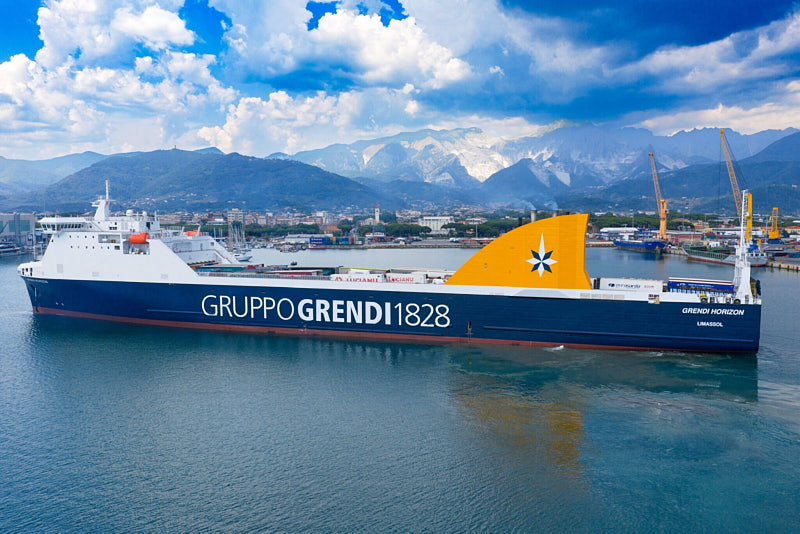
Italian logistics and shipping group Grendi has reported a positive first month of operations for GRENDI HORIZON, the largest vessel in its fleet. The RoRo vessel entered service on 12 June and is now fully integrated into the company’s regular network serving Sardinia, Tunisia and Algeria.

With a length of 204 metres and 3,000 lane metres of freight capacity, GRENDI HORIZON strengthens capacity on Grendi’s domestic routes between Marina di Carrara, Cagliari and Olbia, as well as on its international North African services. The vessel is chartered from the Visentini shipyard under a five-year agreement.

The addition follows the introduction of GRENDI STAR in July 2025 and increases the group’s fleet to five vessels. According to CEO Antonio Musso, the new ship improves schedule reliability, supports growing container and rolling cargo volumes, enhances the direct Olbia service and reduces emissions intensity per lane metre transported.

HSC SUPERSPEED JET 4 launched on Piraeus–Cyclades service

By 2026 Newsletter week 29

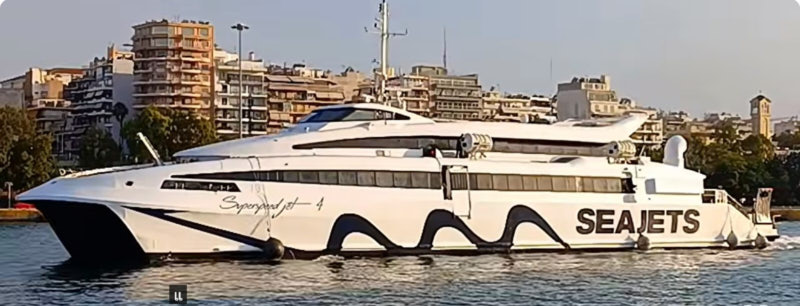
On 14 July 2026, HSC SUPERSPEED JET 4 (ex-FLYING CAT 4) entered service on the Piraeus–Paros–Naxos–Koufonissi route following her acquisition from Seajets in March 2026. The vessel departs daily from Piraeus at 10:15 and returns from Koufonissi at 14:45.

Built by FBM Marine Ltd in Cowes, England, in 1999, she can carry 450 passengers and has a service speed of 37 knots.

Photo: Dimitris Mendakis

HSC HIGHSPEED 3 to join Piraeus–Samos route on 23 July

By 2026 Newsletter week 29

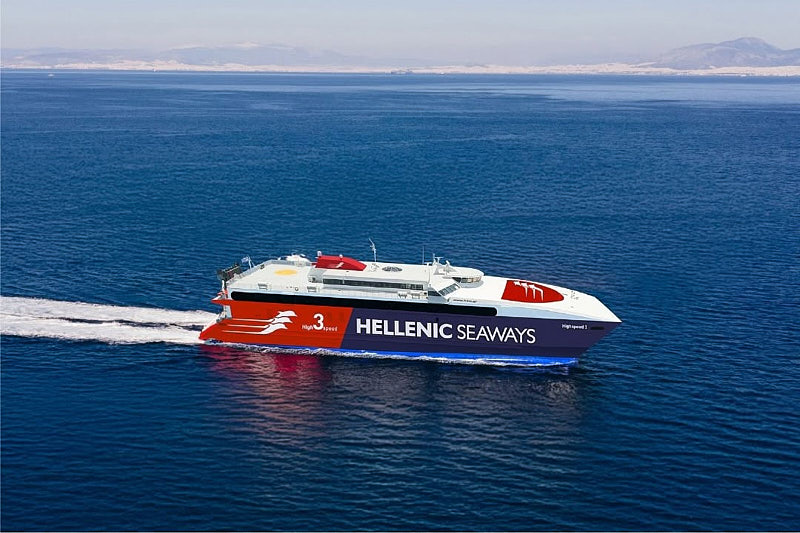
According to reliable information, HSC HIGHSPEED 3 (ex-THUNDER, TURGUT OZAL) will enter service on the Piraeus–Samos route on 23 July. According to Hellenic Seaways’ plans, the vessel will complete the crossing in 5 hours and 50 minutes, significantly reducing the journey time.

Built by Austal in Australia in 1998, the vessel can carry 1,068 passengers and 210 cars. She has a service speed of 36 knots.

Photo: Hellenic Seaways

Mukran Port Shuttle Gets Off to a Successful Start to the 2026 season

By 2026 Newsletter week 29

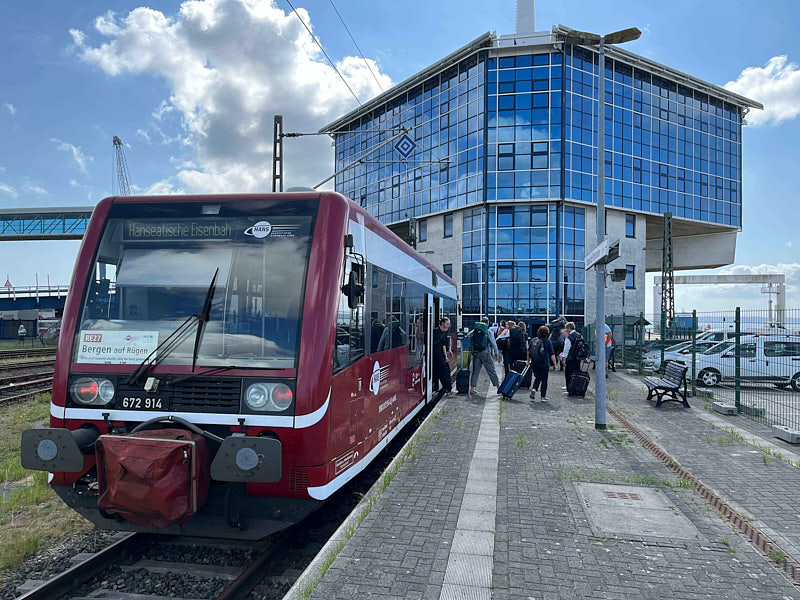
The seasonal Mukran Port Shuttle has resumed operations for the 2026 summer season, providing a direct rail connection between Bergen auf Rügen station and the Sassnitz-Mukran ferry terminal. Operating from 13 May until 17 October, the RE27 regional express offers coordinated connections with ferry services to Bornholm, strengthening sustainable travel links between Germany and Scandinavia.

According to Mukran Port, the service attracted strong passenger numbers from its opening weekend, continuing the positive trend seen in recent years. The shuttle is designed to provide seamless rail-ferry travel and supports wider regional, national and European transport and climate policy objectives.

Henry Forster, Managing Director of Mukran Port, said the success of the shuttle demonstrates growing demand for connected and more sustainable transport options between Germany and Northern Europe.

The shuttle can only be used in combination with a valid ferry ticket on the Sassnitz-Mukran–Rønne route.

Port of Antwerp-Bruges Stands Firm in a Challenging H1, 2026

By 2026 Newsletter week 29

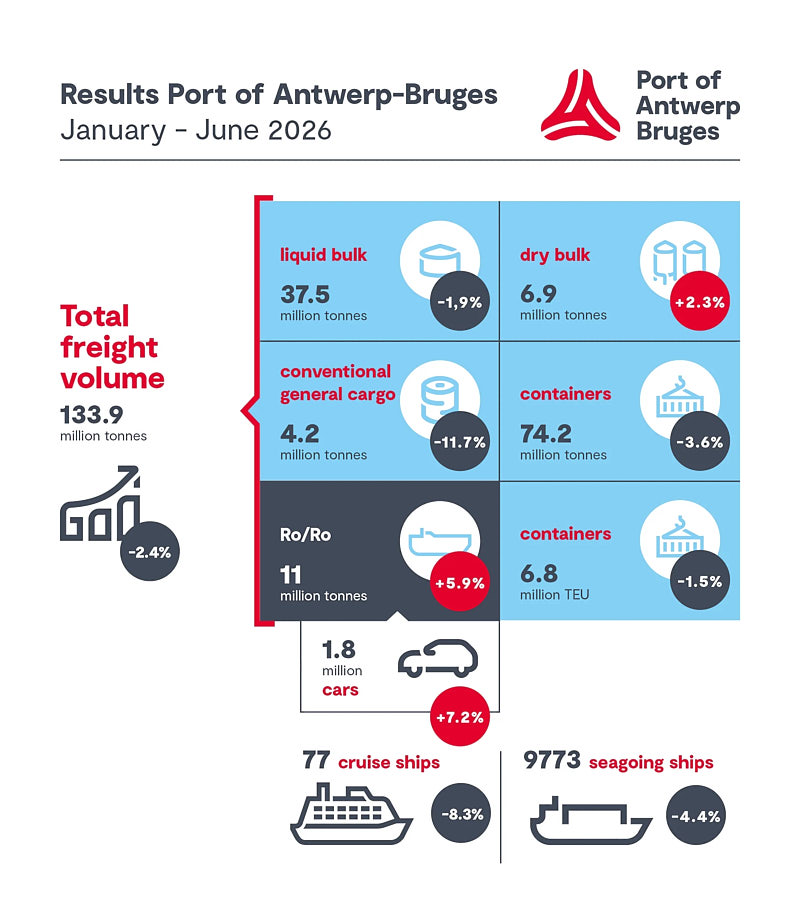
Port of Antwerp-Bruges handled 133.9 million tonnes of maritime cargo in the first half of 2026, a decline of 2.4% compared with the same period last year. Despite geopolitical tensions, trade conflicts, operational disruptions and a difficult economic environment, the decrease remained relatively limited.

Key takeaways:

  • Total cargo throughput decreased by 2.4% to 133.9 million tonnes.
  • RoRo traffic increased by 5.9%, while bulk cargo remained relatively stable (-1.3%).
  • Container throughput fell by 1.5% in TEU and 3.6% in tonnes, mainly due to weaker Western European exports.
  • Exports of full containers declined by 5.7%.
  • The port maintained its market share in container traffic despite operational challenges and disruptions.
  • Geopolitical developments and shifting trade patterns continue to reshape cargo flows.
  • Port management highlighted the importance of ongoing investments in capacity, accessibility, infrastructure and sustainable logistics to strengthen long-term competitiveness.

Port of Santander Continues Growth in H1, 2026

By 2026 Newsletter week 29

The Port of Santander maintained its positive growth trend during the first six months of 2026, with improvements across most traffic segments.

Key figures

  • Total cargo throughput in June reached 638,522 tonnes, up 13.4% year-on-year.
  • Total throughput for January–June amounted to 3.49 million tonnes, an increase of 1.3%.
  • General cargo volumes grew 0.7% to 1.89 million tonnes.
  • Dry bulk traffic increased 2.0% to 1.50 million tonnes.
  • Liquid bulk volumes rose 3.5% to 107,982 tonnes.
  • Container traffic climbed 7.0% to 85,770 TEU.
  • Vehicle traffic increased 3.4% to 174,503 units.

According to the Port Authority, the growth has been driven by careful planning, effective management and continued investment in infrastructure, digitalisation and sustainability. The port also highlighted the contribution of its workforce and port community in helping to address the challenges created by ongoing global logistics uncertainty.

P&O Ferries Improves Bus Links for Dover Foot Passengers

By 2026 Newsletter week 29

P&O Ferries, in partnership with Stagecoach South East and the Port of Dover, has introduced an enhanced timetable for the number 66 bus service linking Dover Priory railway station with the Eastern Docks.

Effective from 26 July 2026, the revised schedule is better aligned with the operator’s busiest Dover–Calais sailings, reducing waiting times and improving connections for foot passengers. P&O Ferries, currently the only operator carrying foot passengers on the route, will also offer integrated ferry and bus ticket sales through its website.

The initiative aims to make public transport connections more convenient and support more sustainable travel to and from the port.

Torghatten Secures New 13-Year Melbu–Fiskebøl Ferry Contract

By 2026 Newsletter week 29

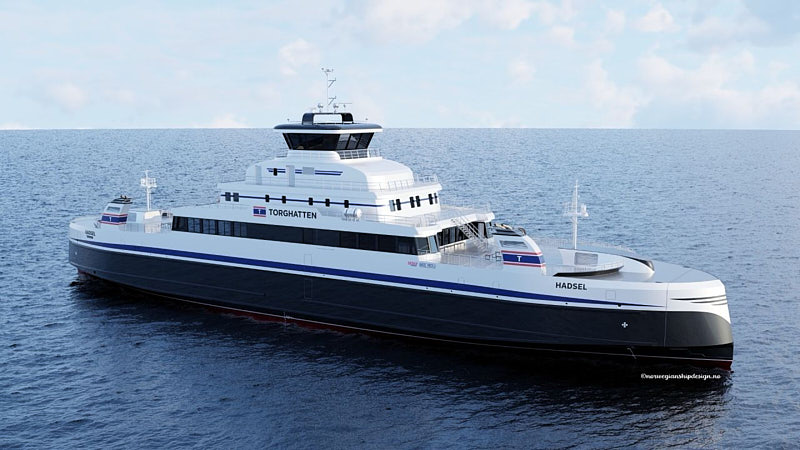
Torghatten has secured a new 13-year contract to continue operating the Melbu–Fiskebøl ferry route in Northern Norway, successfully retaining all of its ferry contracts in the region awarded during the first half of 2026.

The route, linking Hadseløya in Vesterålen with Austvågøya in Lofoten, will be gradually electrified as part of efforts to reduce emissions and support the green transition of Norwegian ferry transport.

Torghatten also confirmed that its newbuild MF HADSEL will be deployed on the crossing. The vessel is expected to enter service next year, providing passengers and crew with a modern, future-oriented ferry.

Color Line Marks 5,000 Digitoll Transports ahead of Mandatory Rollout

By 2026 Newsletter week 29

Color Line Cargo has announced that it has facilitated more than 5,000 Digitoll transports to Norway, underlining growing adoption of the country’s digital customs system ahead of a key regulatory deadline.

Digitoll, introduced by the Norwegian Customs Administration, enables customs information to be submitted electronically before goods arrive in Norway. The system is designed to speed up border procedures, reduce paperwork and improve the flow of freight by allowing customs authorities to assess shipments in advance.

Color Line has worked with Digitoll for road transport over the past two years and recently extended its services to include sea transport. The company says it is ready to support customers as the industry prepares for the next phase of implementation.

The system is particularly important for RoRo and ferry traffic serving Norway, as it allows customs formalities to be completed before trucks and trailers reach Norwegian ports.

A major milestone is approaching on 15 September 2026, when Digitoll will become mandatory for road freight entering Norway. Transport operators, logistics providers and freight customers are therefore being urged to ensure their processes are compliant before the deadline.

According to Color Line, the achievement of 5,000 Digitoll transports demonstrates the industry’s ongoing transition towards more digital and efficient freight operations.

https://www.toll.no/en/corporate/digitoll