
With the pandemic it is not surprising to see the 95.9% decrease of passengers in April, compared to April 2019.
The number of cargo units decreased only by 14.3%. The core route Helsinki – Tallinn only had a decrease of 5.9%.


With the pandemic it is not surprising to see the 95.9% decrease of passengers in April, compared to April 2019.
The number of cargo units decreased only by 14.3%. The core route Helsinki – Tallinn only had a decrease of 5.9%.
On March 6, FSN published the preliminary figures of Irish Continental Group’s full year results. (see here)
The full annual report can now be downloaded by clicking on the cover picture.
Italian financial newspaper MF (Milano Finanza) revealed this week that some of Tirrenia’s ferries controlled by Compagnia Italiana di Navigazione, may be put up for sale in the near future.
They are set to be seized by the Court of Rome following the action taken by the public “bad company” Tirrenia in Amministrazione Straordinaria.
The related revenues would be used to cover the deferred payments (a total amount of EUR 115 million) for the purchase of the former Tirrenia which were not paid in 2016 and 2019.
This potential scenario, if confirmed, would be possible in the coming months when the current public contract and subsidy to support lifeline maritime transportation with Sardinia, Sicily and Tremiti with Moby will expire. It should be mid of July but it is likely that a postponement of few months will be granted to the Vincenzo Onorato controlled group.
In its last available annual report, CIN said that the fleet was valued EUR 265 million (31 December 2018). However, some vessels were dismissed last year (HARTMUT PUSCHMANN, BARBARA KRAHULIK and AURELIA).
With reference to the other ferries still under CIN’s control the values reported at the end of 2018 are as follow: VINCENZO FLORIO (21.2m), BENIAMINO CARNEVALE (2m), RAFFAELE RUBATTINO (23.6m), BITHIA (38.5m), JANAS (38.5m), ATHARA (39.2m), NURAGHES (46.4m), SHARDEN (46.6m) and the high-speed vessel ISOLA DI CAPRAIA (2.8m).
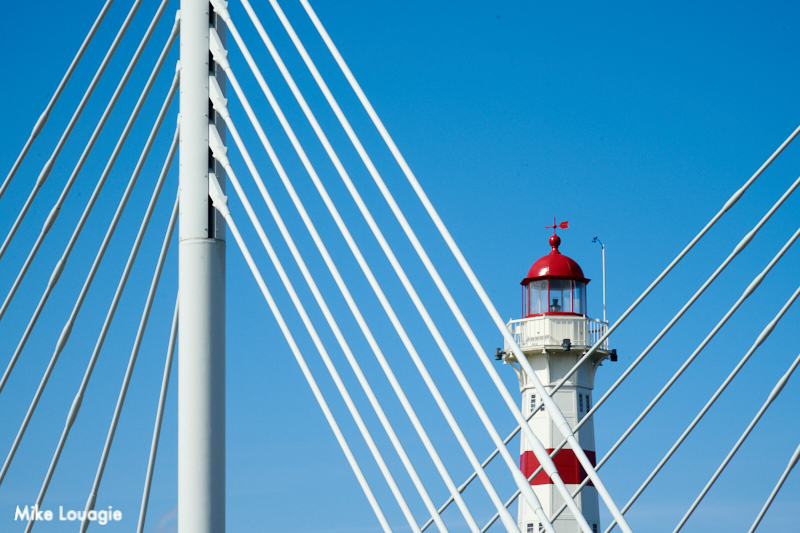
ESPO Proposes a Two-Step Approach on the New EU Transport Strategy
ESPO believes that in the absence of any insight on the duration and impact of the current crisis, it is, at this moment, impossible to set the ground for a long-term EU Transport Strategy.
ESPO proposes a two-step approach:
1) Europe’s first priority must now be to develop a restart and recovery plan which helps to overcome this crisis. It should develop the measures and instruments for Europe’s recovery to put the European economy and society back on track as soon as possible, while guaranteeing this happens in a safe way.
2) In a second phase, when the “new normal” sets in, the discussion should start on a new Transport Strategy, which will set the long-term goals, ambitions and initiatives for the European transport sector. The Strategy should integrate the consequences of and lessons learned from this crisis and should build on the new post-crisis reality.
ESPO and its members are happy to start the reflection with all stakeholders and EU decision makers in view of formulating clear answers to all these questions and setting the ground for a truly forward looking sustainable, connected, efficient and resilient transport system.
Ferry Passengers to Remain in Cars to Reduce Virus Risk?
Condor are exploring the possibility of passengers remaining in their vehicles on shorter journeys on their fast craft when passenger sailings resume.
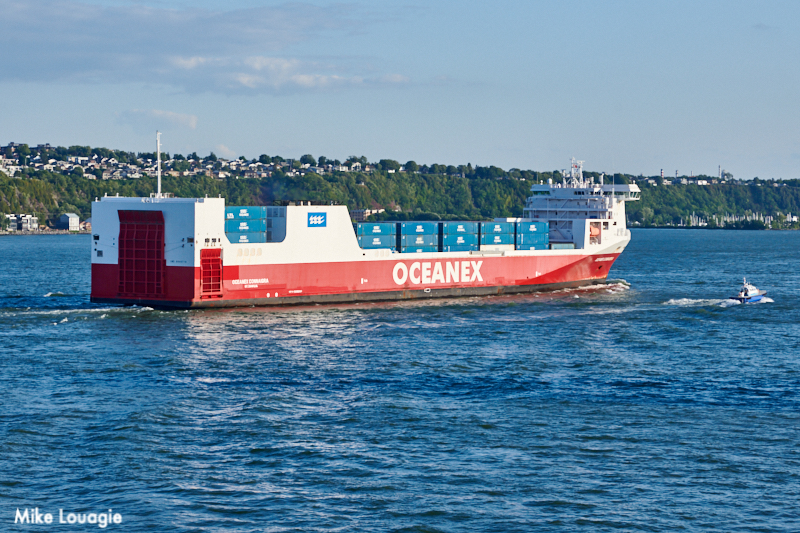
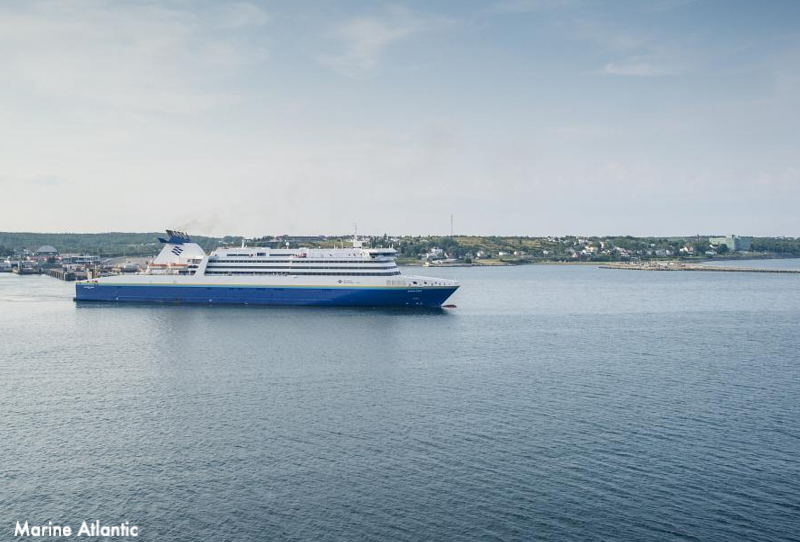
Freight Management Association of Canada (FMA) is warning that shortages of food, merchandise and vital chemicals could result if Oceanex Inc. continues to reduce its services to St. John’s.
What’s more, FMA also says ferry operator Marine Atlantic “would not be a viable alternative” to the carrier.
The FMA expressed its sobering views in a letter late last month to federal Transport Minister Marc Garneau, after Oceanex decided to reduce the number of weekly sailings into St. John’s from three to two.
With a massive decrease in passenger numbers, Marine Atlantic could soon face a formidable financial crunch — a situation that could lead to ticket increases or a reduction in service.
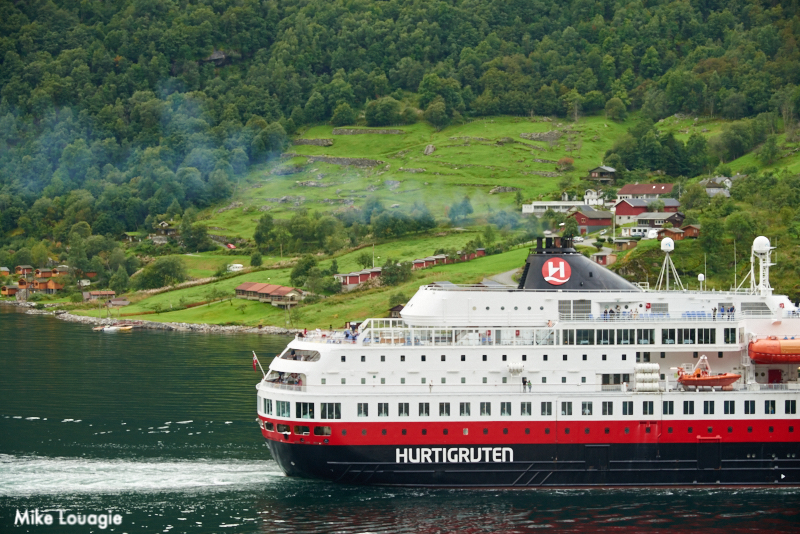
Hurtigruten has laid off 3,000 employees, taken 14 out of 16 ships out of traffic and lost all passengers and revenue during the corona crisis.
The company asked for State aid, without success.
Hurtigruten’s CEO Daniel Skjeldam says that the State only wants to give loan guarantees to companies with a healthy credit score.
However, because of the corona crisis, Hurtigruten’s score has been lowered. Daniel Skjeldam says this is not right. “It is the credit score before the corona crisis that must be used.”
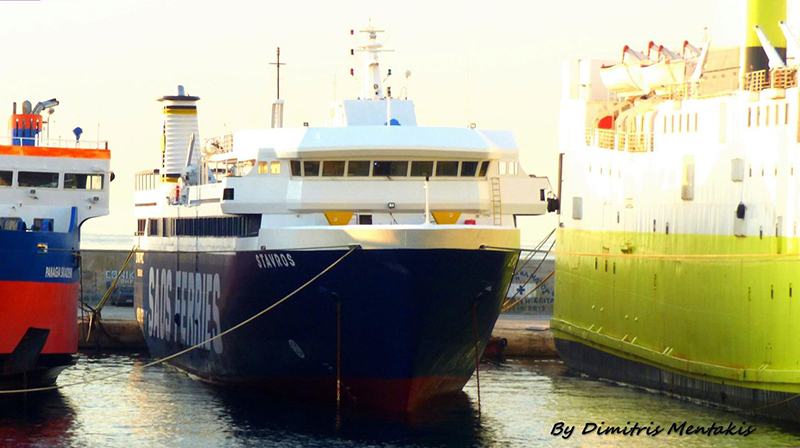
On April 30, 2020, Saos Ferries STAVROS was introduced on the Rhodes – Symi – Halki – Tilos – Nisyros – Kos line, plus 3 trips a week on the Rhodes – Kastelorizo run. The small vessel served for many years the Alexandroupolis – Samothraki run. However, in August 2019 she and her smaller running mate SAONISSOS halted service unexpectedly, due to serious engine failures- causing a serious problem on the Samothraki line in the middle of the summer season. The ship was eventually repaired, renamed and started hopefully a new career at another part of Greece.
The Birth of AURORA BOTNIA
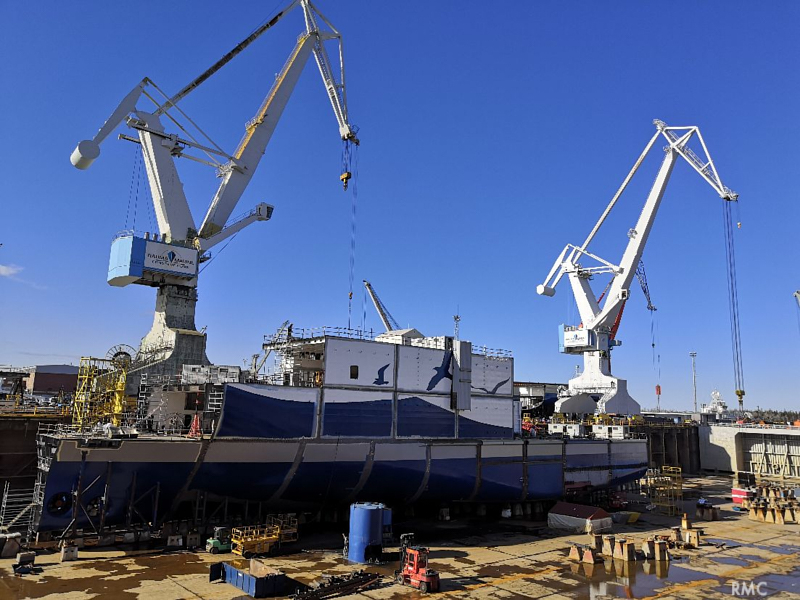
Production of Wasaline’s new ropax ferry continues uninterrupted at Rauma shipyard
“We are starting to put together the last blocks and the construction of the hull, as well as the fitting of the machine rooms and car decks, is proceeding at a rapid pace. A total of seven of AURORA BOTNIA’s blocks will be delivered from Gdansk in Poland, of which three arrived at the end of April. We are currently fitting the blocks that were delivered,” says Johanna Kaijo, Project Manager of the newbuilding NB6002.
The next significant phase in the construction of Aurora Botnia is the launch of the vessel in the autumn.