

Zeebrugge Welcomes the Panda
Street art, or should we say “port art”? Since last week, Port of Zeebrugge’s CSP terminal has a huge mural of internationally acclaimed Wietse.
(instagram: https://www.instagram.com/wietseart/)


Zeebrugge Welcomes the Panda
Street art, or should we say “port art”? Since last week, Port of Zeebrugge’s CSP terminal has a huge mural of internationally acclaimed Wietse.
(instagram: https://www.instagram.com/wietseart/)
ANTIGONI (Re-)Launched
On November 3, 2020, the Greek Elthom shipyard launched the fully upgraded ferry ANTIGONI of the Saronic Ferries consortium (Nova Ferries – 2Way ferries). The ship underwent extensive conversion, in order to be transformed into a closed type ferry and is expected to be introduced in the Saronic Gulf.
She was purchased in July 2020 from Edipsos Ferries and operated on the Edipsos-Arkitsa line as the POSEIDONAS. The ship was built in 2010 in Perama (Atsalaki shipyard), she is 735gt, 77,10 meters long and 17 meters wide. Her carrying capacity is for 590 passengers and 120 cars.
In the background is also seen the German-build NISSOS CHRISSI (ex-RUNGHOLT) of the Cretan Blue Cruises, which is also converted at the same shipyard.
Stena Line Continues the Baltic Reshuffle
Normally a press release contains all the answers. Not in the case of Stena Line’s latest, announcing the introduction of larger, faster ships on Germany – Latvia, without saying which ships.
An overview of changes on the Baltic Sea routes.
(all hyperlinks refer to each individual ship on the Stena Line fleet website)
Nynäshamn (Sweden) – Ventspils (Latvia)
Travemünde (Germany) – Liepaja (Latvia)
Karlskrona (Sweden) – Gdynia (Poland)

The Norwegian government has decided (announcement in Norwegian) that the next tender for the Bodø – Røst – Værøy – Moskenes route will be for ferries with hydrogen technology.
“Electric ferries will not work well enough on this long stretch,” said Minister of Transport Knut Arild Hareide.
The final announcement is planned before Christmas, so that contracts can be signed before the summer of 2021.
The start of operations on the ferry connection is 1 January 2024. The tender period lasts for 15 years, which is 5 years longer than the current contract.
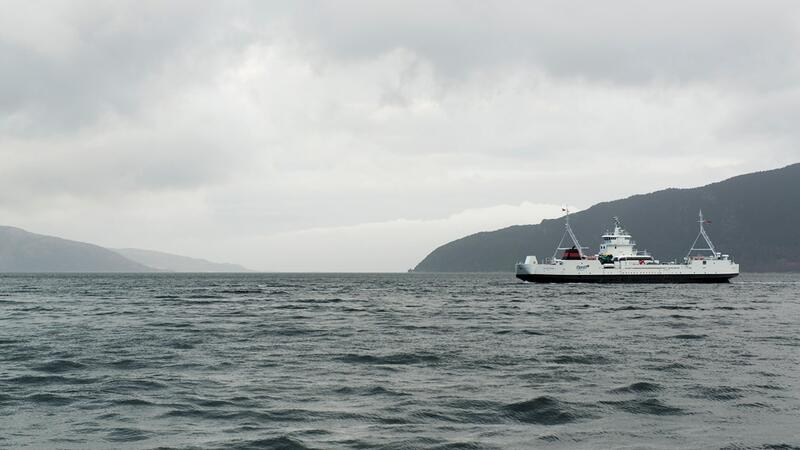
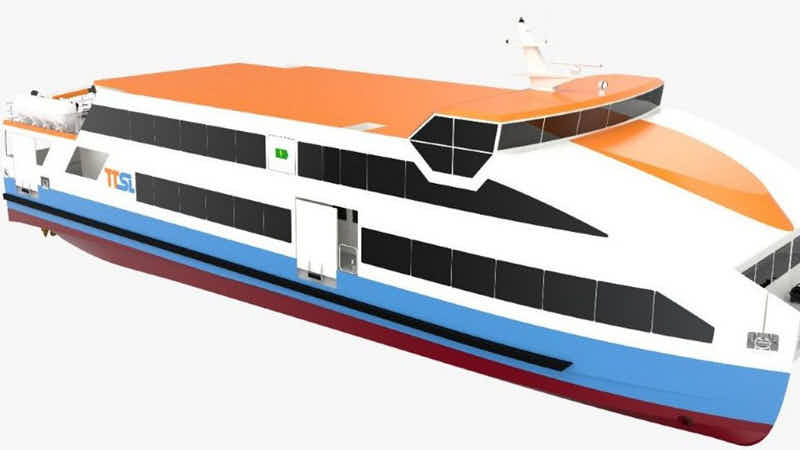
A ferry company that has 19 million passengers annually, ordered 10 new fully electric ferries.
Gondan Shipyard has been awarded the contract by Transtejo Soflusa, the Portuguese company that links Lisbon with the other side of the river Tagus.
Each ferry can carry 540 passengers.
The first four units will cross the Tagus in 2022. Four in 2023. Two in 2024.
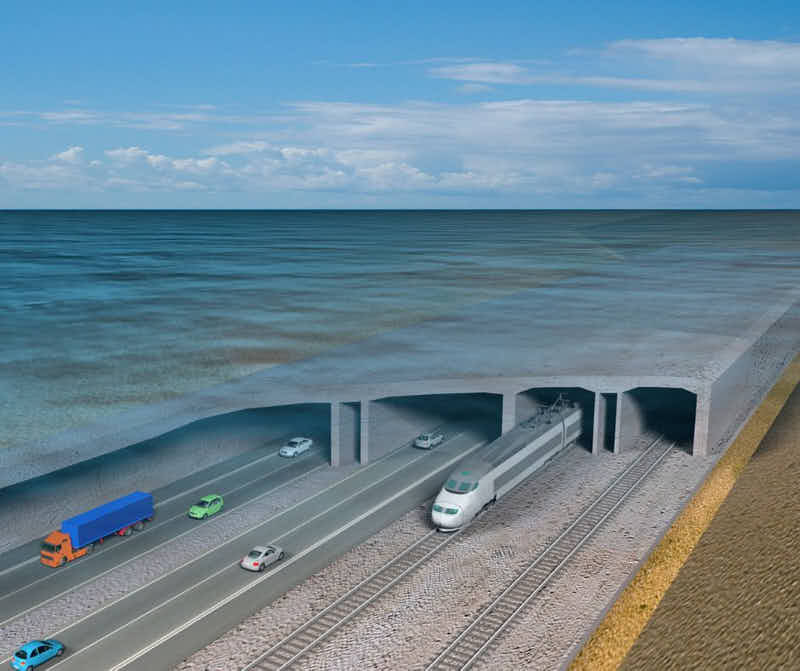
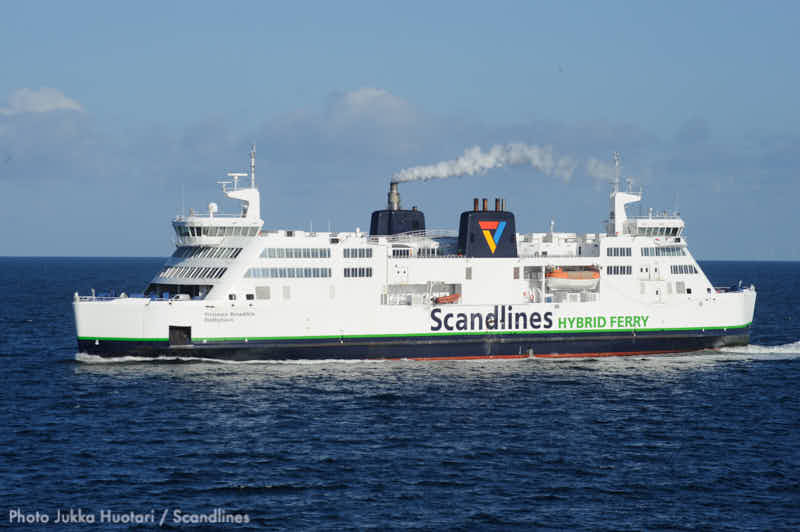
Works on Scandlines’ biggest competitor can start.
The longest combined road and rail tunnel in the world, with two double-lane motorways and two electrified rail tracks, will link Germany and Denmark under the Fehmarn Belt.
The 18km long tunnel is due for 2029.
At the end of September, the Scandlines Group’s lawsuit was heard before the Federal Administrative Court in Leipzig. On 3 November the court confirmed the planning approval decision as legal.
Scandlines said it is particularly pleased that the court has taken the safety of the ships into account and that the barges used to bring excavated material to Denmark have to give way to the Scandlines ferries in order not to disturb the operations.
Scandlines is not pleased with the planned road works, which will downgrade the current connection. This gives a competitive advantage to the tunnel. “It cannot be that Femern A/S can design worse access to our ferry terminal, ”says Søren Poulsgaard Jensen. Further steps will be taken.
AS Tallink Grupp Statistics for October 2020
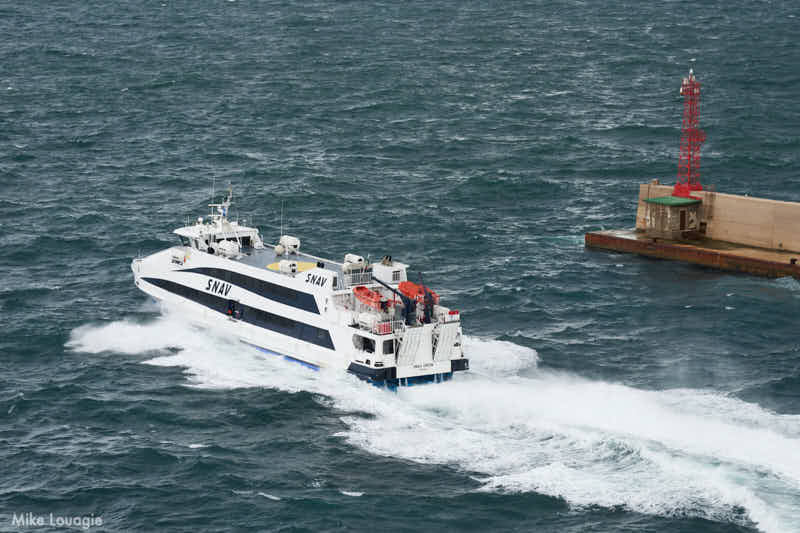
All five companies operating passenger transport services in the Gulf of Naples decided to close down or reduce the sailings offered to and from the surrounding islands (such as Capri, Ischia, etc.).
Three labour unions (Filt Cgil, Fit Cisl e Uiltrasporti) publicly protested against the ferry companies Alilauro, Snav, Medmar, Navigazione Libera del Golfo e Gestour and complaining that less sailings have a direct impact on the workforce and on the social distance needed for the people onboard during the current pandemic emergency.
The ferry companies from their side decided to reduce the number of ships deployed and the sailings offered to and from Naples just because, due to the new procedure and limits introduced by the local authorities, the number of passengers sharply decreased.
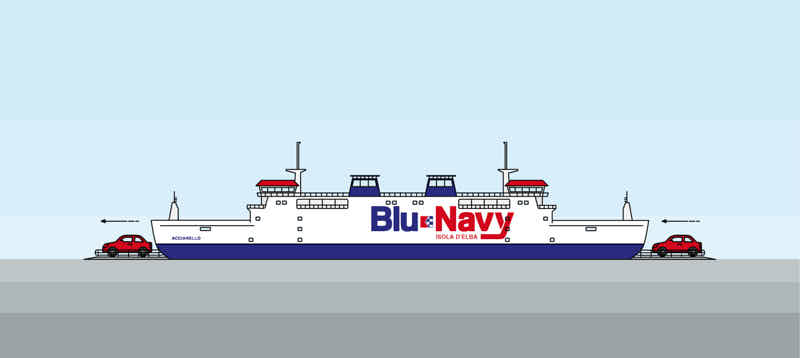
Next summer, Blu Navy will add a second vessel on the Piombino – Portoferraio link, where the Italian ferry company has just obtained from the Tuscan port authority further three slots (from five to eight).
Blu Navy will operate the short-sea link also during the winter season.
Gianluca Morace, CEO of Blu Navy, told Ferry Shipping News that “the second ship will enter service next June and will be similar to the ro-pax ACCIARELLO.” (currently deployed by the company in the route linking the Elba island to Italy mainland).
With intra-European traffic accounting for 76% of its business, the Port of Zeebrugge knows the benefits of a Europe without internal borders perhaps better than any other. But then came Brexit…
