

Some Interesting Points about the Hellenic Coastal Shipping

By | 2021 Newsletter week 30 | No Comments
  • Greek Ferry Companies are expected to record losses of over 200 million euros in the period 2020-2021, due to the covid-19 crisis, although in 2021 it is estimated that there will be an increase in passenger traffic by 20% to 30% compared to 2020.
  • The first half of 2021 closed with a reduction in passenger traffic by 5% to10%, while July ends with an increase in the number of travellers by 50% compared to July 2020.
  • Passenger traffic has increased compared to last year, while, since July 1, demand has further strengthened, with an increase of 55% to 60% compared to the same period of 2020.
  • Passenger traffic will be subdued in September – October, as the largest part of the demand comes from tourists travelling in groups, which does not show much momentum for the time being.
  • Ferry operators estimate that passenger traffic will return to 2019 levels in 2022 if the pandemic will be stopped and there will be no more restrictive measures. Otherwise, the return of passenger traffic to pre-pandemic levels is postponed until 2024.
  • The 80% – 85% of the passengers are mainly Greeks
  • The expected improvement in passenger traffic this summer will probably not cover the increased fuel costs and the ferry companies are expected to record losses of about 100 million euros.
  • Last year, ferry companies reported losses of 140 million euros, while the State’s financial support was only 30 million euros.
Hellenic Coastal Shipping Struggling with its Role despite its Considerable Contribution

By | 2021 Newsletter week 3 | No Comments

The degradation of the role and the contribution of the coastal shipping to the country’s development – by the state – was highlighted by the Hellenic Passenger Shipping Business Association (SEEN), which also submitted specific proposals.

Read the full story on our website

https://ferryshippingnews.com/hellenic-coastal-shipping-struggling-with-its-role-despite-its-considerable-contribution/

International Charter Market and Bad Summer Affect Hellenic Coastal Shipping

By | 2020 Newsletter week 37 | No Comments

The Hellenic Coastal Shipping ends the summer season with:

  • A reduction of EUR 300 million in turnover
  • An average of 40% reduction in passenger traffic
  • Disappointing forecasts for 2021.

Greek ferry operators have mainly pinned their hopes on August, which unfortunately did not materialise:  -40% to -50% traffic.

September is also expected to be a bad month, as there are no reservations.

FERRY SHIPPING

By | 2020 Newsletter week 33 | No Comments

According to the recent XRTC Business Consultants report, the Hellenic Coastal Shipping is entering a new era due to the pandemic.

The passenger traffic reduction by 50% will probably cause possible movements within the sector as well as allow new entries.

The most important points of the report are the following:

  • The passenger traffic of 2020 will be reduced by 49% compared to 2019 (about 8,88 million passengers compared to 18,2 million last year). The first five months of 2020 were disappointing for the ferry companies, as there was a drop of 60% in the transport traffic. As a result, only a few ships are currently operating –due to the pandemic- in order to cover the needs of this years’ high season, while many other ships remain moored including the majority of the high-speed crafts.
  • The winter of 2020-2021 will be particularly difficult for the sector, as the revenues from both the first semester and the summer season 2020 is not enough to cover sufficiently the operators’ financial and operational needs. So, the only way to stay afloat is to take a direct state or European subsidy.
  • The Greek ferry market should immediately take action on two levels: The first level is related to its survival while the second to its long-term maintenance and sustainability through European funds. At both levels, state aid is necessary.
  • This year’s financial results are not expected to be positive for the ferry operators, apart from a small number of companies that serve exclusively public interest lines. It is therefore important that both investors and financiers deal with the situation prudently in order to avoid an imminent immediate collapse of the companies.
  • Today, the large ferry operators (Attica Group, Minoan Lines and ANEK Lines) control about half of Greece’s transport traffic. The other half is controlled by comparatively new companies (leading Seajets), who have managed to control – with their fleet (65 conventional and high-speed crafts) – significant shares mainly in the Aegean markets and inter-island travel.

PHOTOS OF THE WEEK

By | 2020 Newsletter week 20 | No Comments

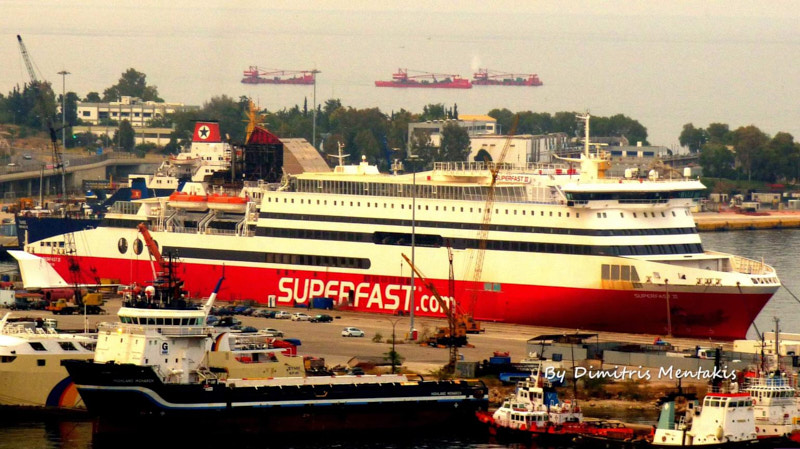
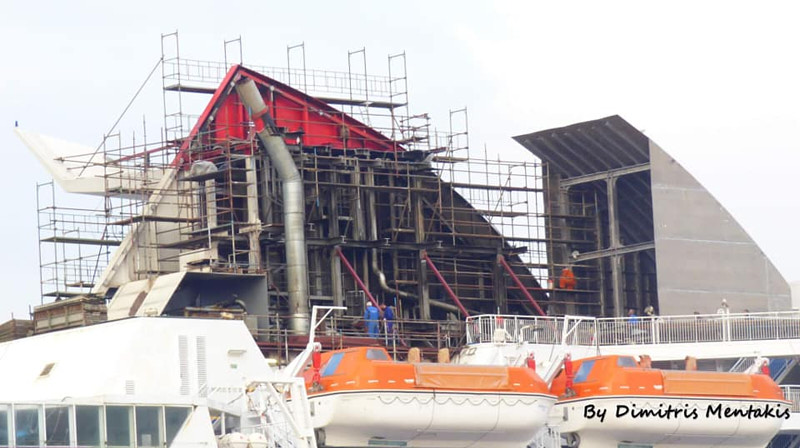
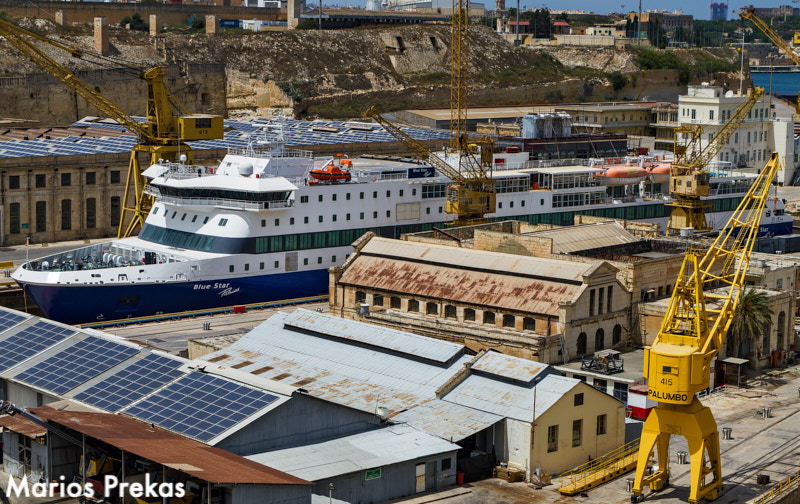
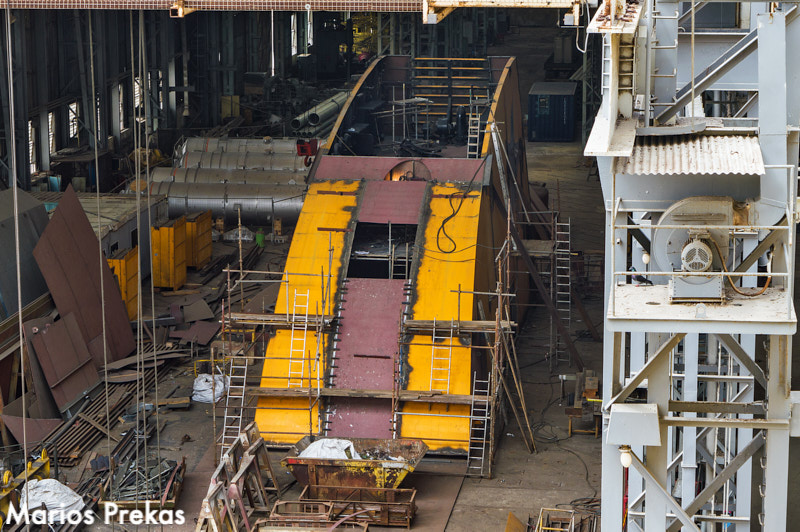
The scrubber conversions on Attica Group’s SUPERFAST XI and BLUE STAR PATMOS are moving on.

The “red” ship has been in Keratsini (DEH dock) since March 29, 2020, while the new front section for her new enlarged funnel has already been put in place.

Her “Blue” fleetmate on the other hand, has been in the Palumbo (Malta) shipyard since the beginning of March 2020 for scheduled repairs and dry docking, as well as to undergo a scrubber conversion too.

Unfortunately, the Covid-19 found the ship in the shipyard and kept her there. As a result, the work progress was relatively slow.

Both ships are expected to be ready by the end of May.

TOP STORY

By | 2020 Newsletter week 17 | No Comments

The Hellenic Coastal Shipping Urgently Needs Financial Support, Says XRTC

According to the recent XRTC study, the Hellenic Coastal Shipping will need a monthly financial support immediately – for as long as the crisis lasts – ranging from EUR 22 to 30 million, in order to face the unexpected consequences of Covid-19.