Brittany Ferries has unveiled a restructuring plan designed to adapt its operations to rising costs, environmental taxation and changing market conditions.
The company says it continues to face the financial legacy of the Covid period, including ongoing repayment of its state-backed loan, while also preparing for the impact of the EU Emissions Trading System (ETS). Despite investing in five new vessels over the past five years, including two delivered in 2025, Brittany Ferries expects its ETS bill to reach approximately EUR 27 million in 2026.
Fleet changes
As part of a fleet optimisation programme, Brittany Ferries will sell two vessels:
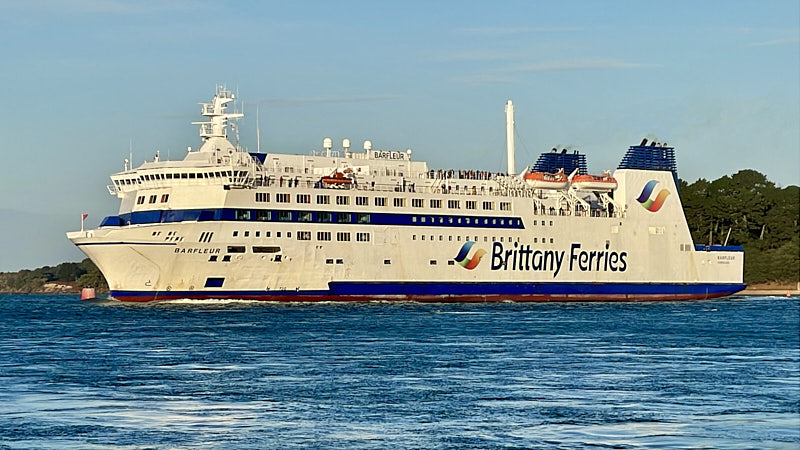
- BARFLEUR (1992), resulting in the closure of the Poole–Cherbourg route from November 2026.
- COTENTIN (2007), currently operating on the Cherbourg–Rosslare route.
Portsmouth–Le Havre closure planned
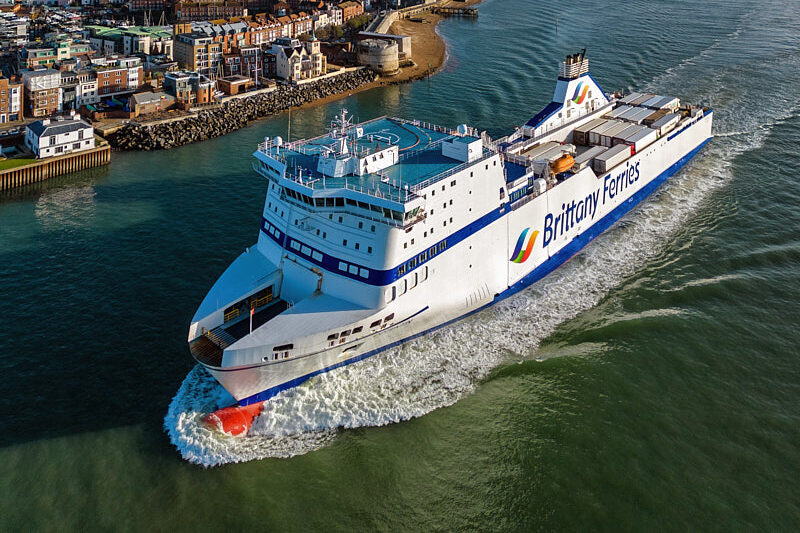
The company also intends to close the Portsmouth–Le Havre route from October 2026. Brittany Ferries argues that the service has become increasingly difficult to sustain due to declining post-Brexit traffic volumes and what it describes as unfair competition from the subsidised Dieppe–Newhaven route.
CLIPPER is expected to replace COTENTIN on the Rosslare–Cherbourg service.
New Channel Islands network
From 1 November 2026, Brittany Ferries plans to reorganise services linking Portsmouth, Poole, Guernsey, Cherbourg and Saint-Malo.
Under the proposed network:
- ISLANDER will operate a triangular route: Portsmouth–Guernsey, Guernsey–Cherbourg and Cherbourg–Portsmouth.
- VOYAGER will continue operating between Poole and Guernsey, with onward connections to Saint-Malo.
- A new Guernsey–Cherbourg freight link will provide direct access to the Normandy hub and is expected to generate new commercial opportunities.
According to CEO Christophe Mathieu, the measures are intended to secure the company’s long-term future while maintaining services to the regions it has served for decades.