

SEAROAD I on Sea Trials in Germany

By 2026 Newsletter week 34

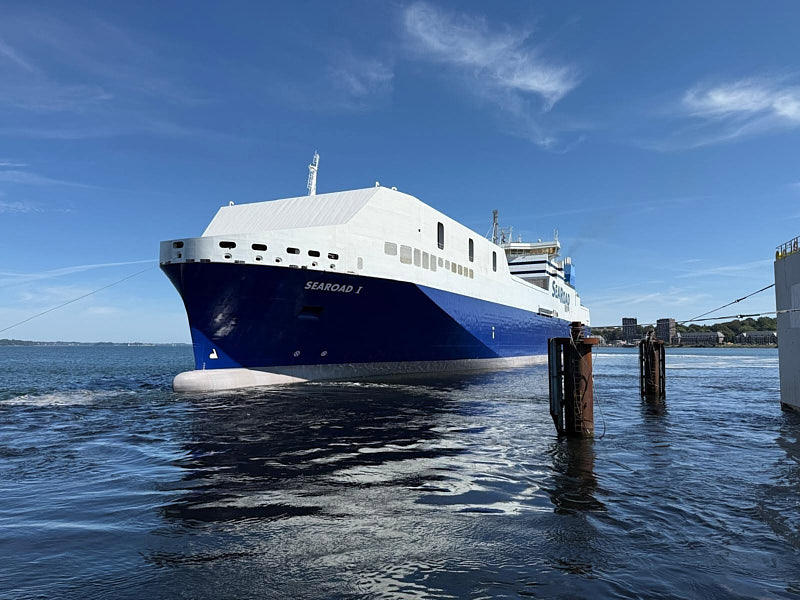
Sea trials have begun in Germany for SeaRoad’s new LNG-powered RoRo vessel SEAROAD I.

The trials will verify the vessel’s propulsion, manoeuvring, performance and onboard systems ahead of delivery. SEAROAD I is scheduled to enter service between Melbourne and Devonport in September 2026.

At 210 metres long and 29.3 metres wide, the 43,080 GT vessel will be the largest ship operated by SeaRoad. It provides 3,722 lane metres for trailers and other freight, plus capacity for 101 cars, bringing total capacity to 4,227 lane metres. Individual heavy and oversized cargo units weighing up to 100 tonnes can also be accommodated.

Construction had formally restarted in March 2025 after the yard was acquired and relaunched by the Heinrich Rönner Group. Delivery remains targeted for the third quarter of 2026.
Keel-laying of SeaRoad roro

By 2023 Newsletter week 9

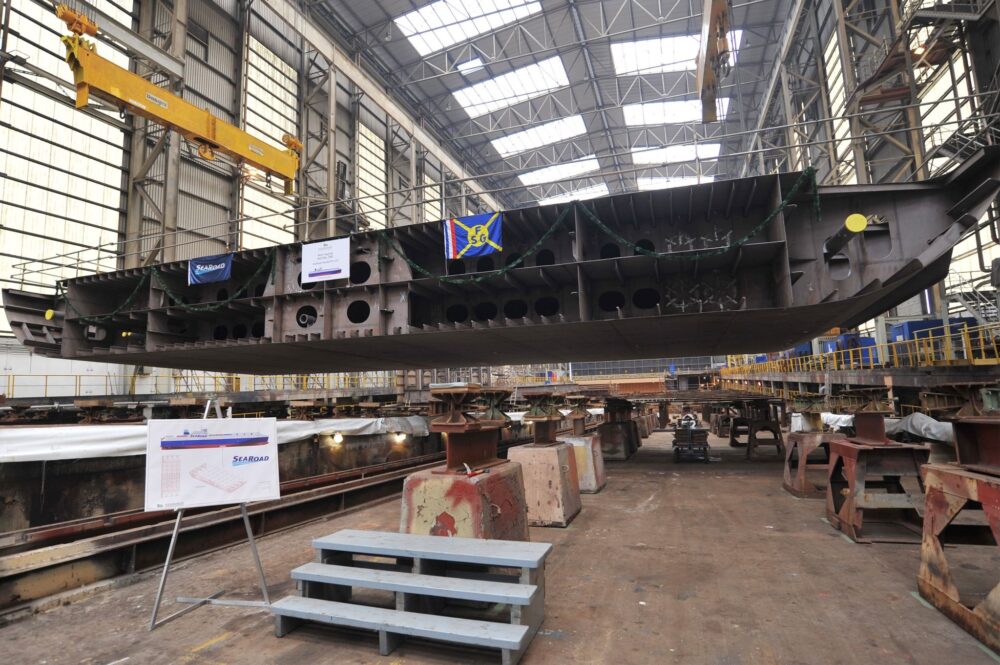
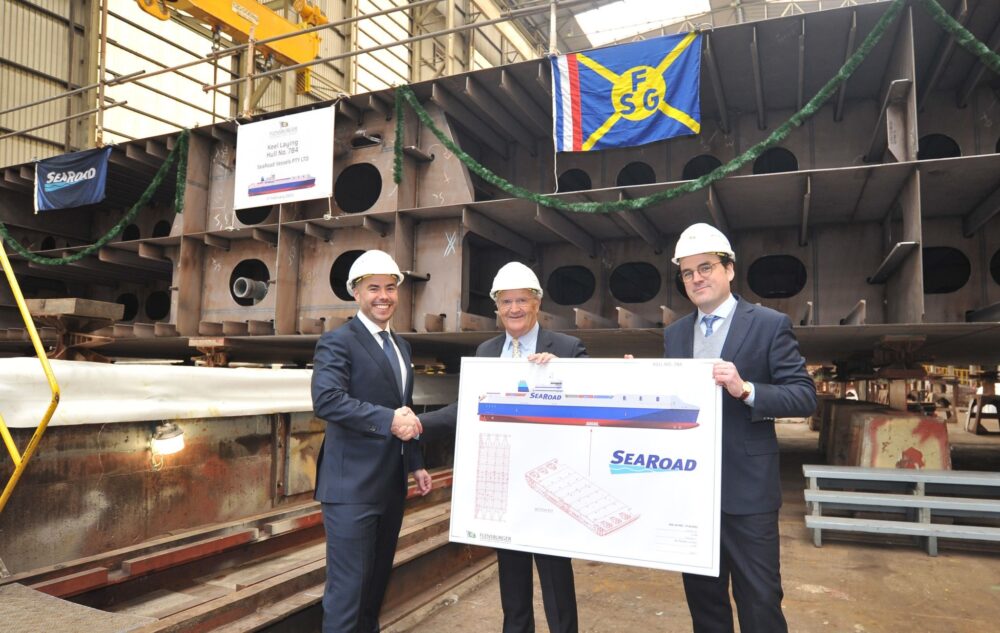
The keel-laying of Flensburger Schiffbau-Gesellschaft (FSG) newbuild 784 for Tasmania’s SeaRoad took place on 27 February.  The LNG-powered vessel will be named SEAROAD I.

The first module, weighing more than 154 tonnes was lowered onto a pallet by crane and a coin was placed under the keel for good fortune.  The nails were hammered into the keel-laying plate by Philipp Maracke, Managing Director of FSG Nobiskrug Holding, Chas Kelly, CEO SeaRoad, Tony Johnson, Technical Marine Manager SeaRoad, and Dustin Lind, the youngest trainee at FSG.

The new roro ferry will sail on the Bass Strait between Devonport and Melbourne.

SEAROAD I will join SEAROAD MERSEY II in Q2 2024, replacing the chartered LIEKUT.  LIEKUT is a 4,076 lane-metre ro-ro also built by FSG.

The EUR 100 million contract is financed by the Commonwealth Bank of Australia.

SEAROAD I Key Facts

  • Gross Tonnage 43,100 GRT
  • Length 210 metres
  • Width 29.30 metres
  • Power main engines 2 x 10,300 kilowatts
  • Speed 22.5 knots
  • Cargo Capacity 3,722 lane metres plus capacity for 101 cars
    (= 4,227 lane metres in total)  Ship will be able to accommodate heavy cargo weighing up to 100 tonnes.
  • Cabins 25 (27 berths)

Photos: Flensburger Schiffbau-Gesellschaft (FSG)