

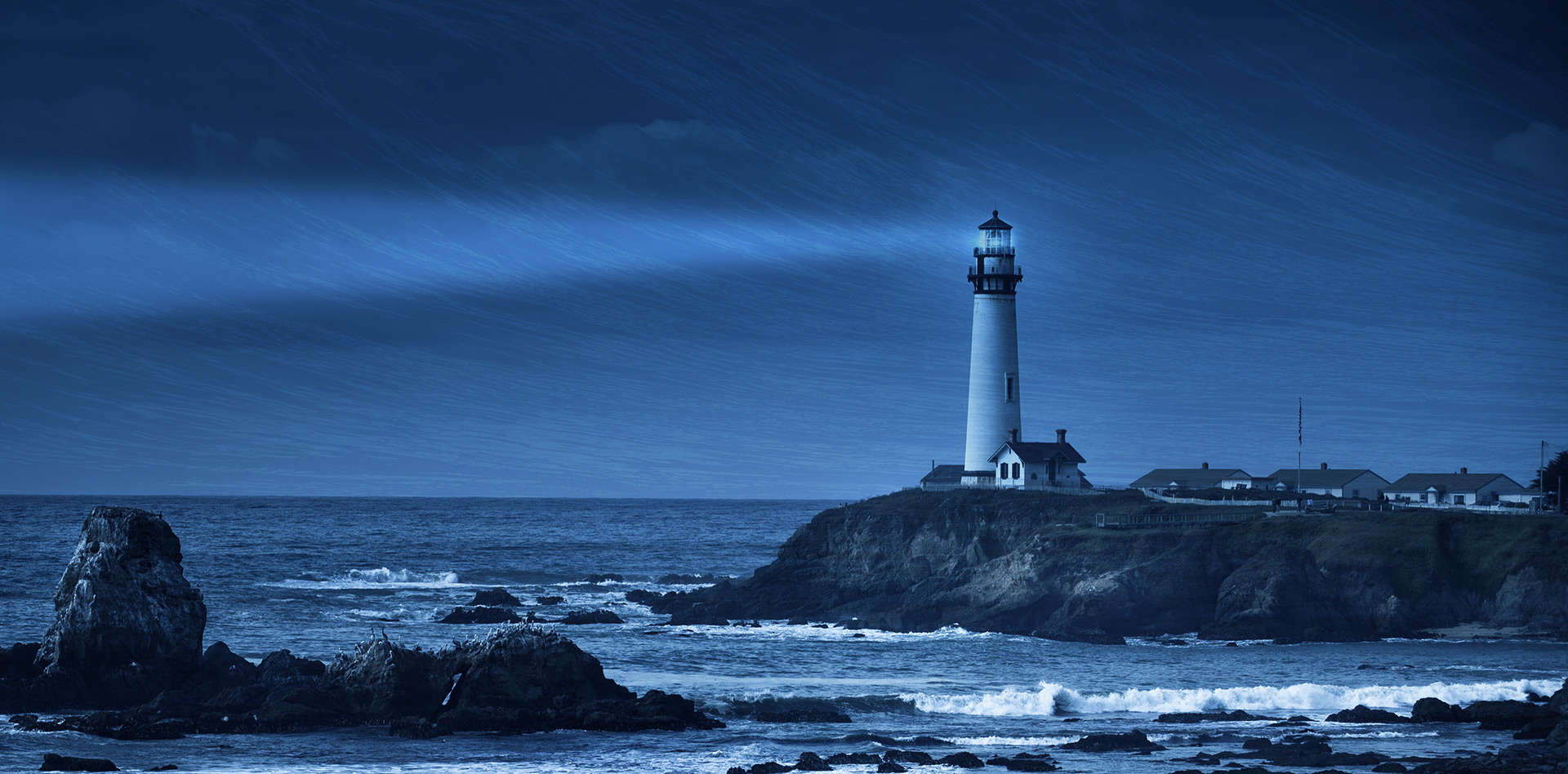
Molslinjen Plans 12 MWh Battery Storage Facility on Samsø

By 2026 Newsletter week 36

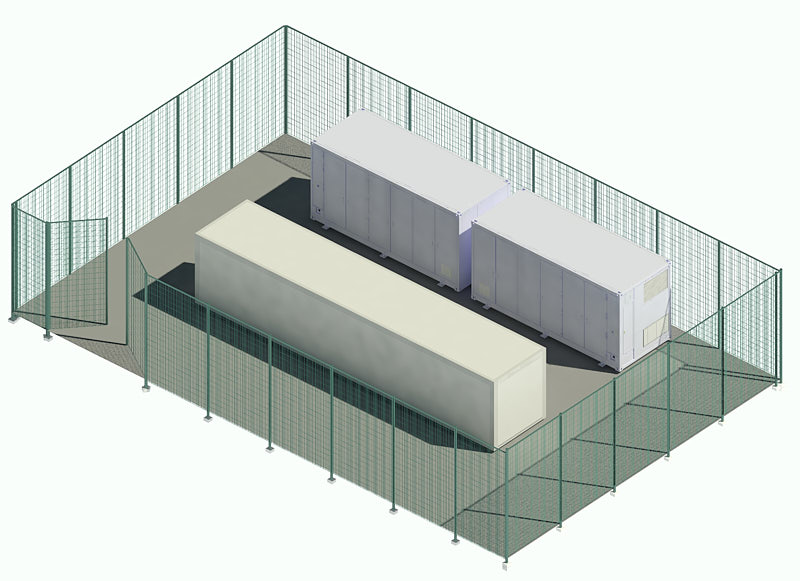
Molslinjen will install a 12-MWh battery energy storage system at Ballen Ferry Port on Samsø. The facility will support the electric ferry TYRFING, operating between Ballen and Kalundborg with up to five daily return crossings.

The battery will store enough electricity for approximately four ferry crossings, providing a more secure and stable energy supply. BOS Power will deliver the system, following consultancy support from Hybrid Greentech.

Besides supporting ferry operations, the battery can absorb surplus electricity when demand is low and release it back into the local grid during peak periods. Samsø Municipality also hopes it could eventually provide emergency power during a prolonged interruption of the island’s submarine cable connections.

Construction is scheduled for autumn and winter 2026/2027, with commissioning expected in March 2027.

Photo: Here is the first sketch of what will be the future BESS facility on Samsø.
Norwegian Fast Ferries: A Big Step Towards Zero Emissions

By 2025 Newsletter week 5

A Breakthrough for High-Speed Ferries

  • Hurtigbåtforbundet, representing 120 vessels, has secured a fuel agreement with Bunker Oil to supply HVO100, an advanced biodiesel.
  • This switch can cut CO₂ emissions by 90% this year—far ahead of Norway’s 2030 target of 55%.
  • No vessel modifications needed—HVO100 works in existing engines, ensuring an easy transition.

Why Electrification Isn’t Enough

  • Fully electric and hybrid ferries work for short, structured routes, but high-speed, long-range, and emergency vessels need alternatives.
  • Heavy battery weight and limited range make full electrification impractical for many operations.

The Case for HVO100

  • CO₂ reduction: 85-97% compared to marine gas oil (MGO).
  • NOx reduction: Up to 90% with catalytic converters.
  • No infrastructure changes required—it blends seamlessly with existing fuels.
  • Made from waste materials without affecting food production.

A Cost-Effective Green Shift

  • Potential CO₂ savings for the fleet: 63,569 tonnes per year.
  • The extra cost of HVO100 for the industry is only 24% of the fishing sector’s CO₂ tax compensation—yet delivers unmatched environmental benefits.
  • From 2026, biogas may also be accepted in Norway’s World Heritage fjords, offering another alternative to zero emissions.

With this agreement, Hurtigbåtforbundet is leading a realistic, impactful transition to sustainable maritime transport.

Photo Bjarne Rygg, Jan Kleven and Rune Midtkandal, Hurtigbåtforbundet HRF

Double-Ended Ferry SAMSØ Bought by BluNavy

By 2025 Newsletter week 5

BN di Navigazione, operating under the Blu Navy brand and serving the route between Elba Island and mainland Italy, has purchased the double-ended ferry SAMSØ, which is expected to depart in the coming days from the Danish port of Svendborg.

The vessel will head to Genoa for refit works.

SAMSØ was originally purchased last year from the Canadian company CTMA and was intended to operate on the Rivière-du-Loup – Saint-Siméon route.

BluNavy’s CEO, Luca Morace, confirmed the acquisition to Ferry Shipping News, stating: “The investment for the purchase exceeds €7 million. The ferry, now renamed AETHALIA, was active in Denmark until just a few weeks ago and is in good condition.”

The vessel is 91 metres long, 16 metres wide, with a draft of 3.5 metres. She can sail at a speed of 17 knots, transporting up to 600 passengers and 120 cars in her garage.