

DNV: Fleet Readiness Surges, Fuel Supply Lagging

By | 2025 Newsletter week 37 | No Comments
  • DNV’s Maritime Forecast to 2050 shows shipping’s energy transition entering a new phase.
  • Alternative-fuel-capable vessels will almost double by 2028. By 2030, they could burn 50 Mtoe of low-GHG fuels – double the volume needed to meet IMO targets.
  • Actual consumption today: only 1 Mtoe. Fleet readiness is surging, but fuel supply and infrastructure lag far behind.
  • IMO’s Net-Zero Framework (pending adoption in October) is already influencing investment and operational choices.
  • Key solutions identified:
    • Use existing fuel infrastructure for biodiesel and bio-LNG.
    • Deploy more efficiency measures on newbuilds.
    • Adopt onboard carbon capture (OCC).
    • Accelerate wind-assisted propulsion (WAPS), reducing fuel use by 5–20%.

Knut Ørbeck-Nilssen, CEO DNV Maritime: “The stage is set for the next phase of the maritime energy transition.”
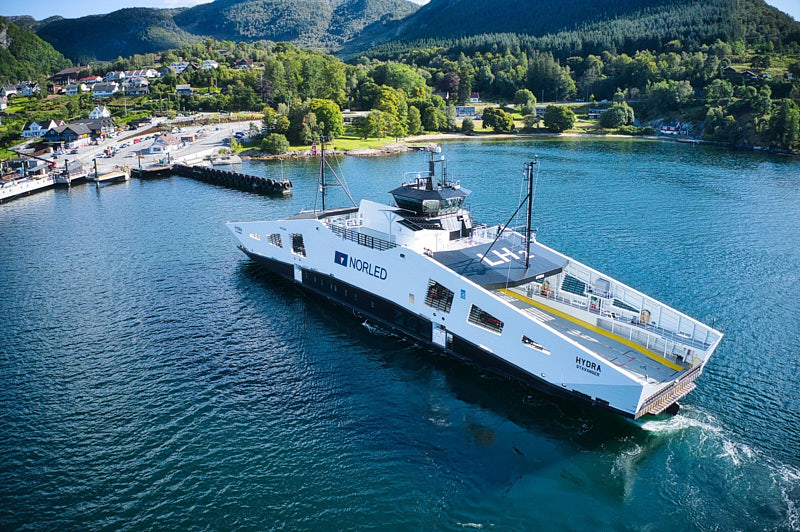
Download the 2025 edition of the Maritime Forecast to 2050

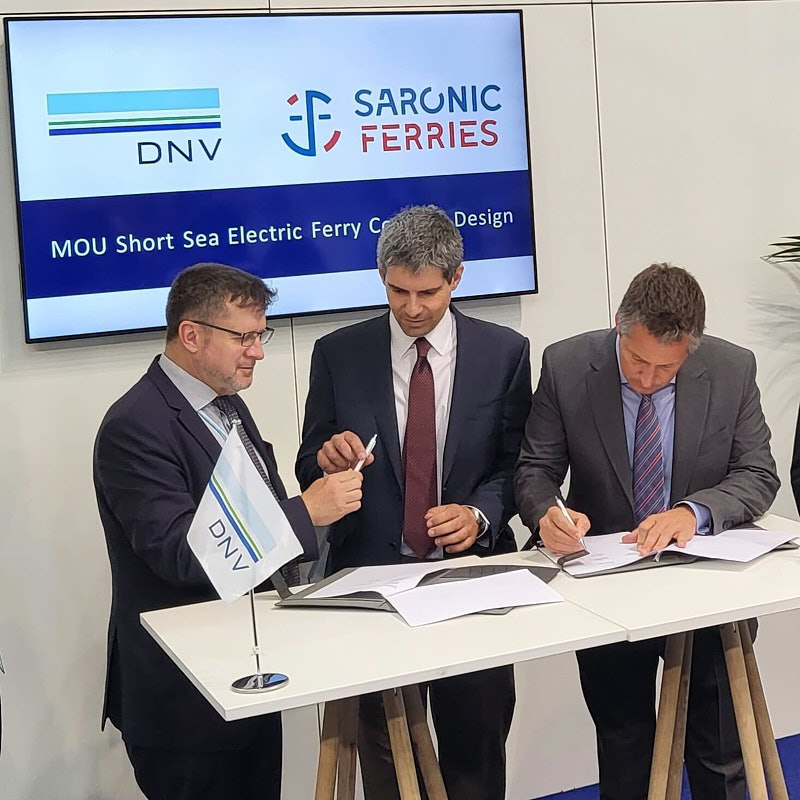
Saronic Ferries signed MOU with DNV for the development of a fully electric ferry

By | 2022 Newsletter week 23 | No Comments

On June 7, 2022, Saronic Ferries signed a memorandum of cooperation with DNV, for the approval of the initial conception of the first, fully electric, passenger car ferry in Greece, which is designed for the Saronic lines.

The specific agreement took place within the framework of the International Shipping Exhibition POSIDONIA 2022 that is held in Greece every 2 years. According to the company executives, Saronic Ferries begins its journey to zero emissions, taking the first step towards a new, more environmentally friendly, model of transportation in the Saronic Gulf.

DNV GL’s Veracity program is making paint digital

By | 2017 Newsletter week 49 | No Comments

Ships have for some time reported their positions through AIS transponders but a team from DNV GL have cleaned the data and then developed an algorithm that accurately predicts arrivals at ports: Veracity.
Norwegian paint manufacturer Jotun joined the Veracity pilot program and it became apparent that an early approximation for vessels future port visits could provide value to Jotun’s supply chain. A more comprehensive understanding of the movements of the global fleet allows Jotun to optimize their stock and delivery planning.

Photo: DNV GL