Levante Ferries’ SMYRNA (Ex-KOPERNIK) Is Being Converted

By 2019 Newsletter week 37

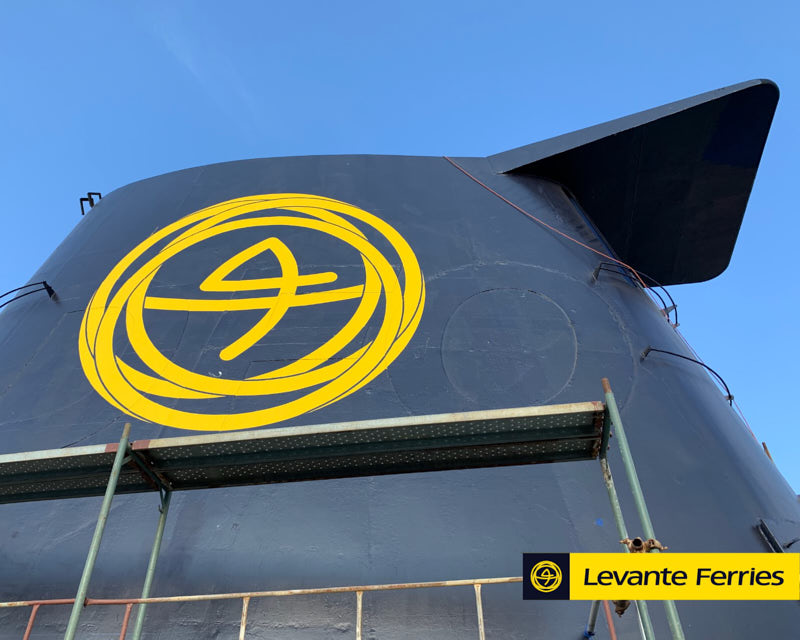
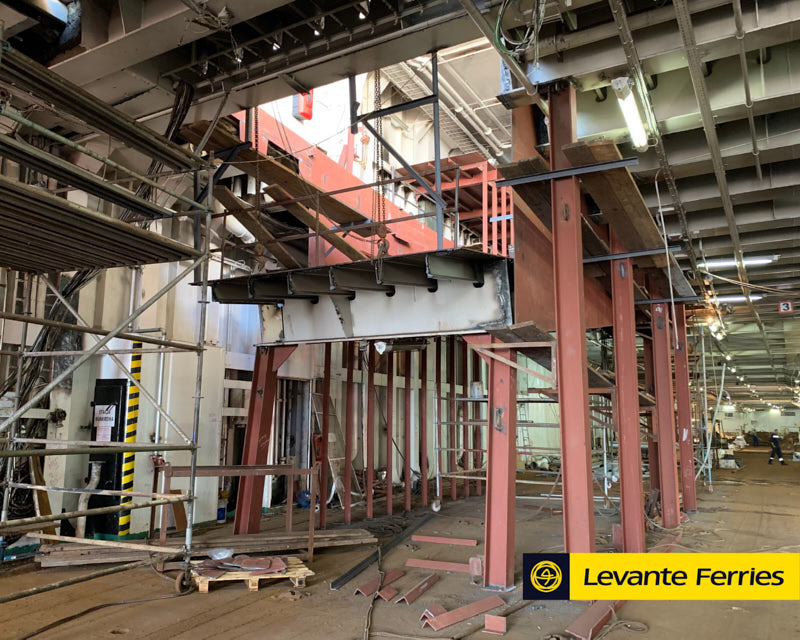
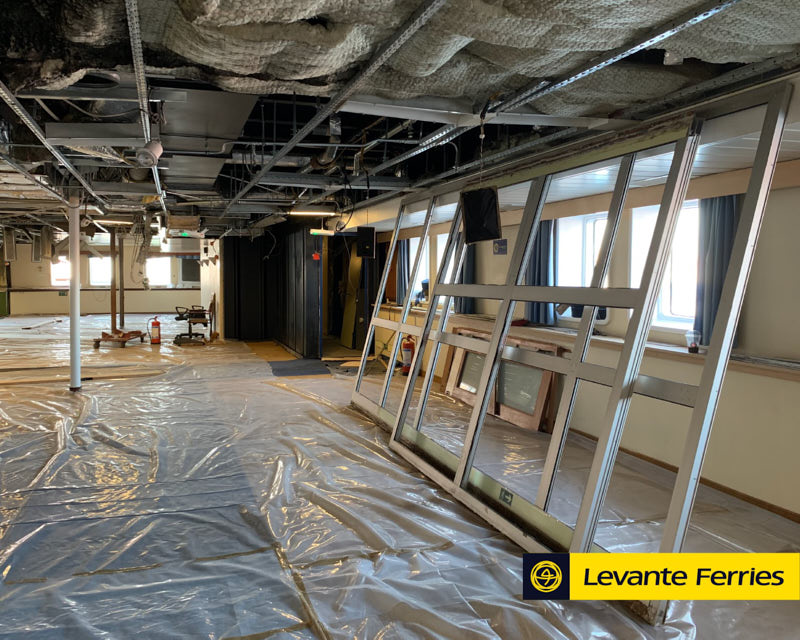
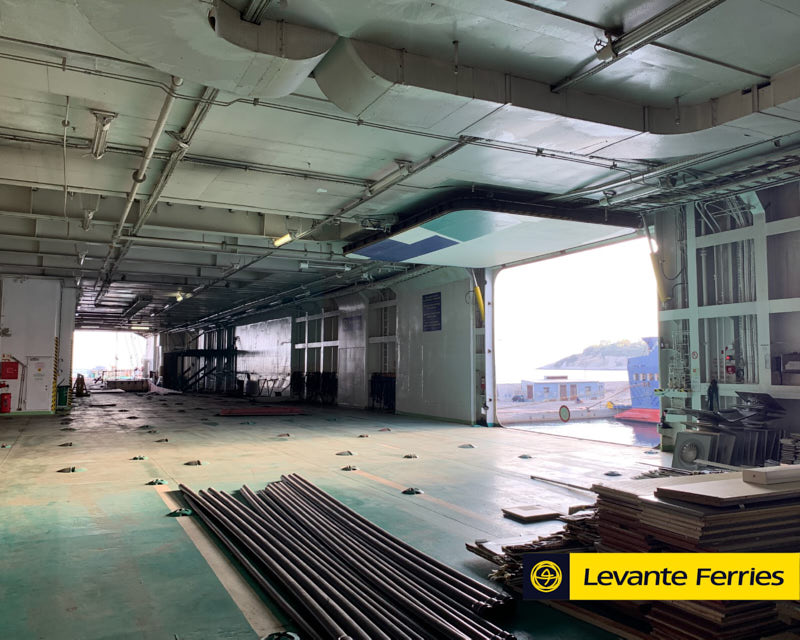
The conversion on the Levante Ferries’ new acquisition SMYRNA (14,216gt/1977) -ex-KOPERNIK- is in progress. According to the company’s official site, the conversion involves extensive repairs to the engine room, the creation of a new ramp in the garage as well as the complete refurbishment of the public spaces in order to comply with Levante Ferries standards and specifications.

This means that we are going to experience yet another excellent refurbish and conversion. The Norwegian-built vessel will be introduced on the much wanted Thessaloniki-Izmir line, fully renovated, in a few months.

FINANCE

By 2019 Newsletter week 37

Milan-based Moby has just published its H1-2019 financial report for the six months ended June 30, 2019.
Some highlights:

  • Total revenue amounted to EUR 253.6 million, an increase of 20.2 million, mainly due to the increase in freight transport, chartering and port operations.
  • Total revenues for the three months of Q2, amounted to EUR 151.4 million, an increase of EUR7.2 million driven by the ferries unit, mainly related to passenger and vehicle transport and chartering, and port operations.
  • Excluding the impact of the IFRS 16 application, the six months registered a loss of EUR 27.9 millions (the red was EUR 60.208 millio in the first half 2018) while the result for Q2 resulted in a loss of EUR 11.6 million.

As for the capital gains, Moby specified that they are attributable to:

  • The sale of AURELIA in February by CIN, obtaining a capital gain, net of the costs of sale, of EUR 4.7 million
  • The sale of PUSCHMANN in March by CIN, obtaining a capital gain, net of the costs to sale, of EUR 9.9 million
  • The sale of the San Cataldo tugboat BARLETTA in March, incurring a loss, net of costs of sale, of EUR 26,000
  • On July 16, 2019 the subsidiary CIN finalised the sale of the vessel BARBARA KRAHULIK for EUR 12,650.

FERRY PORTS

By 2019 Newsletter week 37

Project To Move Away Ferry Traffic From The Old Harbour In Genoa

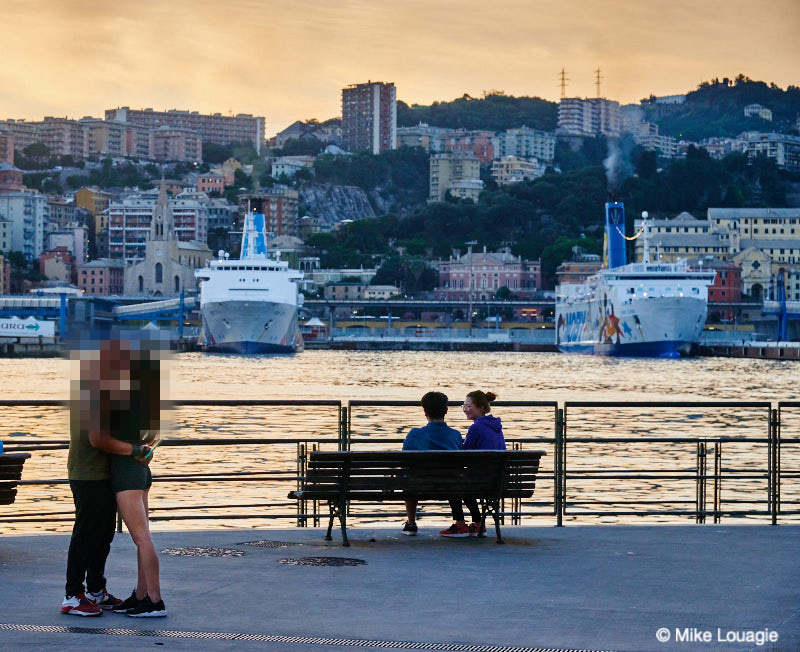
Francesco Maresca, the newly elected council member for the Genoa municipality and in charge for the port business development, launched the idea to move away all the ferry traffic from the old harbour in the heart of the town to the Voltri-Prà area, close to the Voltri Terminal Europa container terminal.

All the ferries and cruise vessels calling at the port of Genoa today are moored at the quays operated by Stazioni Marittime, company controlled by MSC Group. The idea launched by Maresca intends to leave more space to the cruise industry but is fiercely opposed by local committees in Voltri – Prà which are worried by a potential increase of traffics and emissions in the area.

In Voltri there are still today two quays available for ro-ro which were used until 2011 by T-link Lines and before by Stradeblu.

Wallenius SOL Connects Wärtsilä In Port Of Vaasa To Continental Europe

By 2019 Newsletter week 37

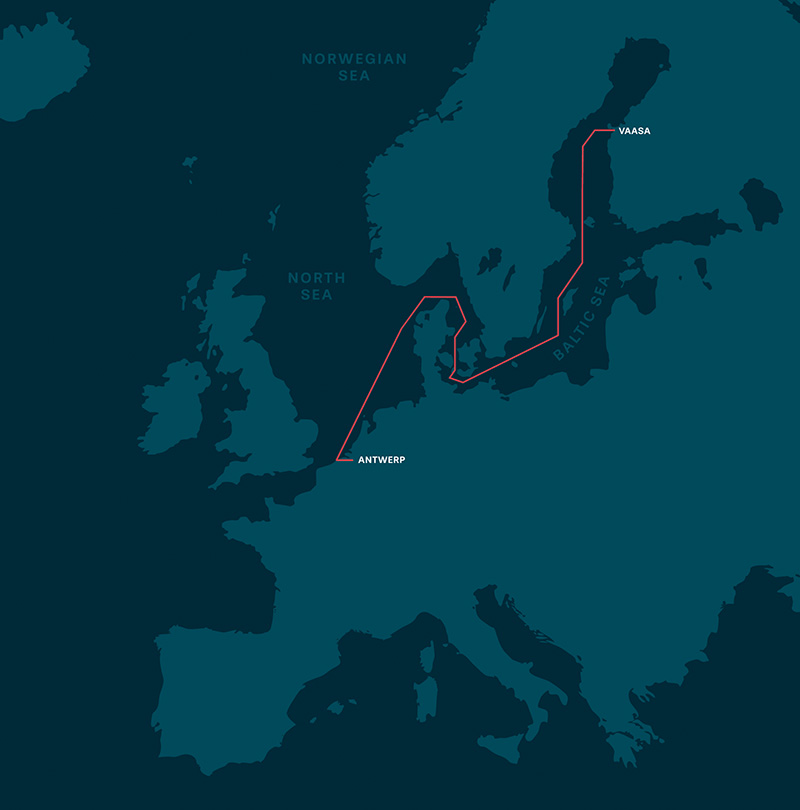
As from November 2019, Wallenius SOL will include Port of Vaasa in its regular liner network.

With weekly calls, it will connect Vaasa with the ports of Antwerp and Zeebrugge. This is made possible through a long-term co-operation with technology company Wärtsilä, who will have its state-of-the-art production facility on site. The facility, called the Smart Technology Hub, will be located in direct connection with Port of Vaasa from 2021 onwards. All inbound deliveries from Central Europe to Vaasa will be routed via a consolidation point in Antwerp with the weekly sailings offered by Wallenius SOL.

Furthermore, Wallenius SOL will ship the ready-made engines southbound from Wärtsilä to its customers worldwide, also with Antwerp as hub.

INTERESTING

By 2019 Newsletter week 37

Transporting Goods Between The UK And EU In A No-Deal Brexit: Guidance For Hauliers

The UK Department for Transport is helping commercial drivers get ready Brexit by setting up 150 advice centres and helping drivers plan their journeys by providing a handbook and pocket ma

TECHNOLOGY

By 2019 Newsletter week 37

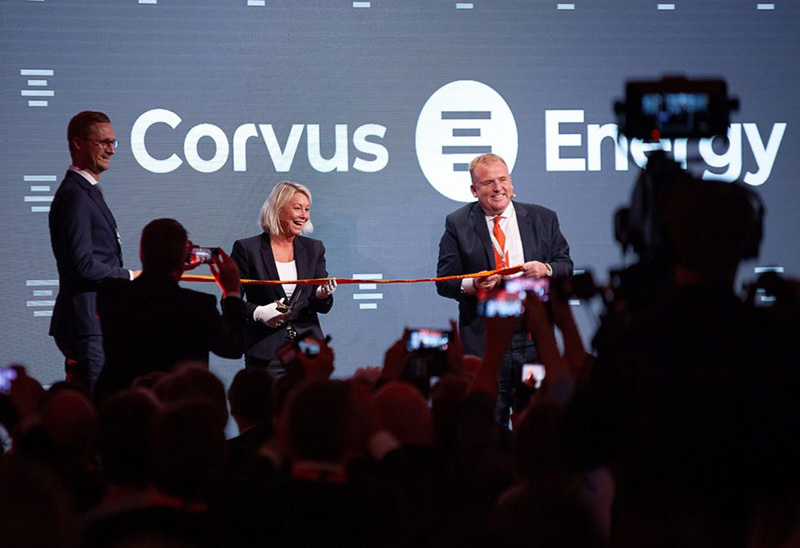
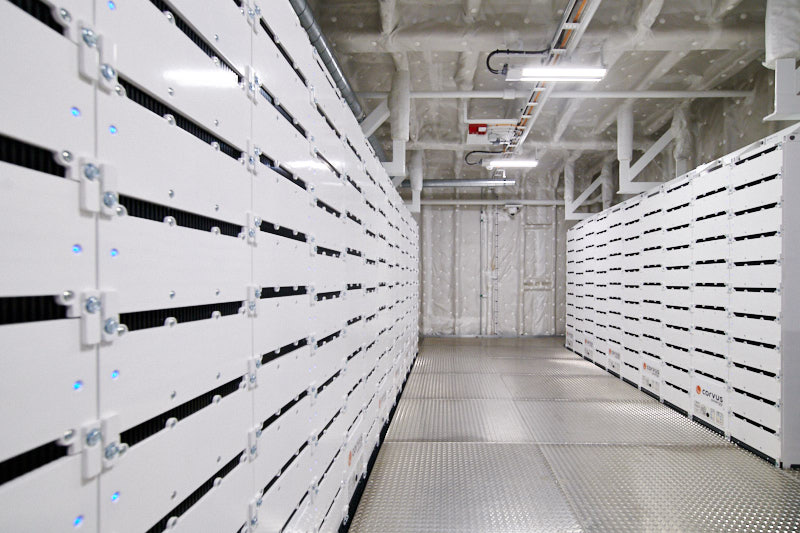
Corvus Energy Opens A New Battery Factory In Norway

On 6 September, Corvus Energy celebrated the grand opening of its automated battery factory in Bergen, Norway.

“There is an electric revolution going on in the maritime sector, and we want to deliver the best solutions in the industry,” says Geir Bjørkeli, CEO of Corvus Energy. “The Corvus team in Vancouver developed the groundbreaking battery solution that accelerated adoption of zero-emission and hybrid marine propulsion systems, particularly in Norway. With so many of our customers and partners in Norway, it only made sense to add production capacity here, which gives us flexibility and will speed deliveries. Further, automated production will help the Corvus ESSs remain price-competitive.”

IG Metall Union Satisfied With Winds Of Change After FSG Acquisition By Lars Windhorst

By 2019 Newsletter week 37

Trade union leader Michael Schmidt speaks of a “completely different culture of communication,” after the full take-over of the Flensburg shipyard by investor Lars Windhorst.
Managing Director Alex Gregg-Smith briefed employees on Windhorst’s Tennor Holding plans, possible future construction programs and work.

“Gregg-Smith was very open to us. This is a completely different culture of communication,” said the union spokesman. A positive wind of change.

PHOTOS OF THE WEEK

By 2019 Newsletter week 37

Zero-Emission Ferries: The Norwegian Government Challenges

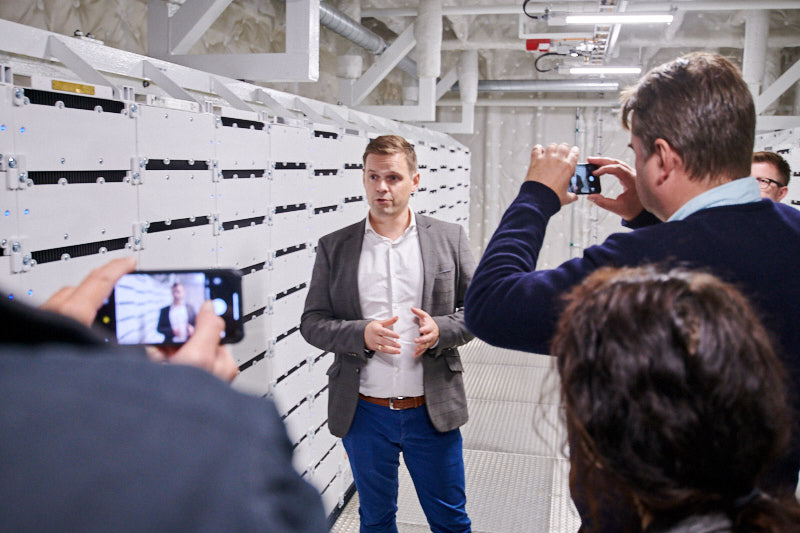
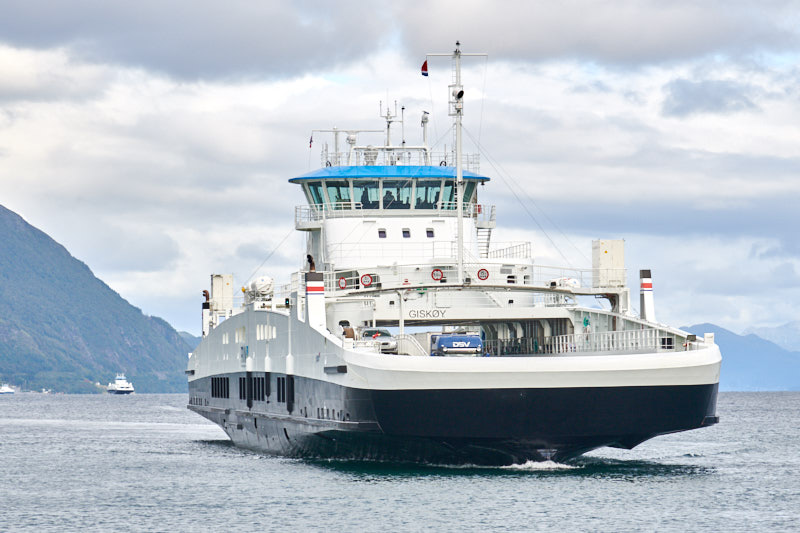
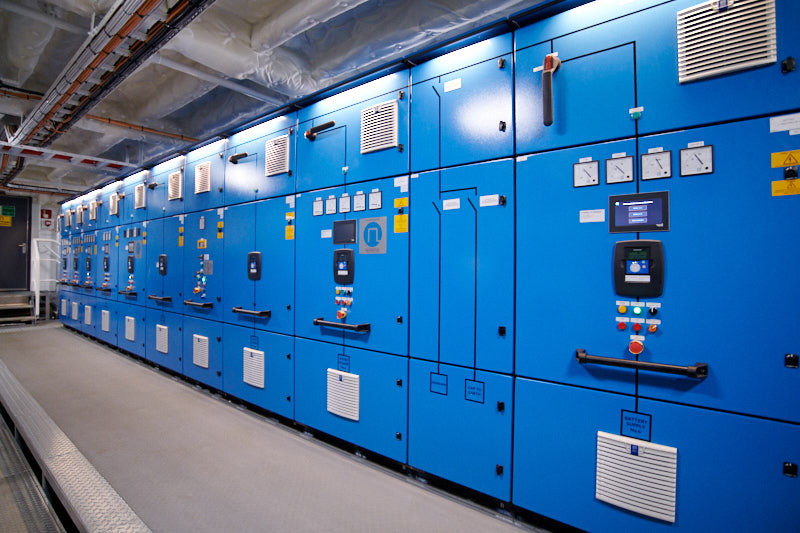
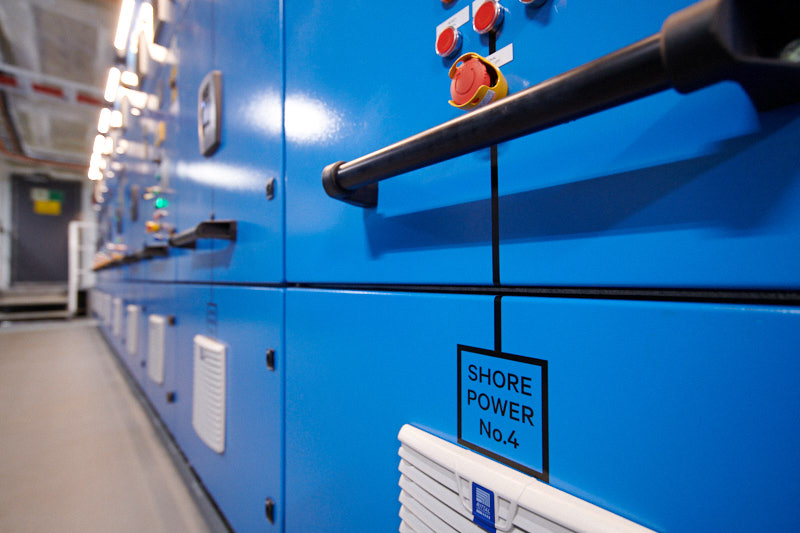
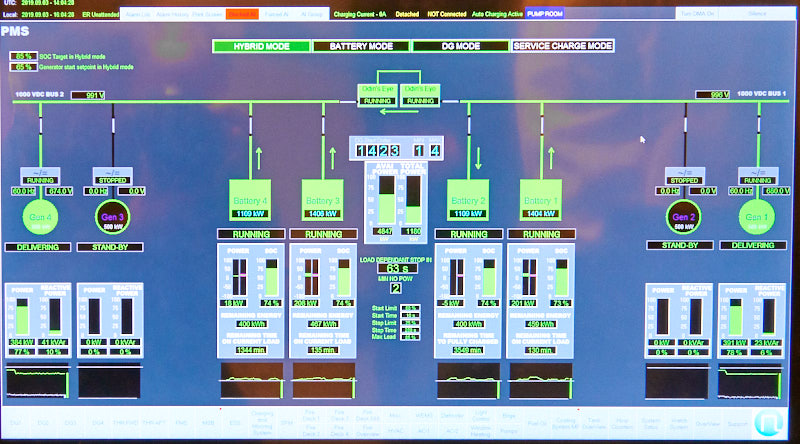
Last week, Ferry Shipping News sailed onboard Norwegian ferry GISKØY, together with Svein Ove Farstad, General Manager Sales & Marketing, Norwegian Electric Systems.
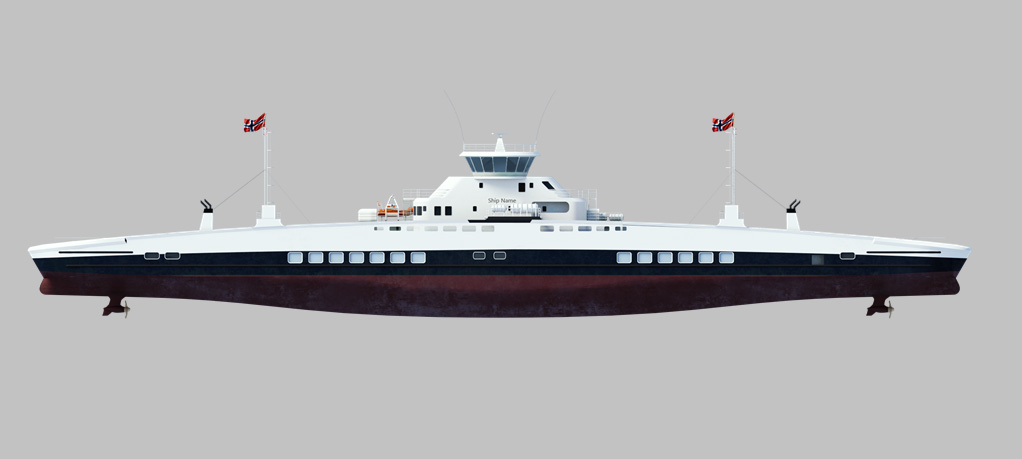
This double-ended ferry was delivered to Fjord1 in the beginning of the year. GISKØY is identical to two other ferries. They will be operating fully electric once the two ferry ports are ready in 2021. Presently they are sailing in a hybrid-electric mode

Svein Ove Farstad (photo) explains how his company entered the ferry business: “Three years ago, Norwegian Electric Systems saw a market opportunity when the offshore business was down. We were involved in Norwegian ferry projects. The Norwegian Government gave a lot of incentives to build environmental-friendly. Zero emission is the goal. They challenged us and other companies, and asked, “can you be ready in two years?”. We said yes.”

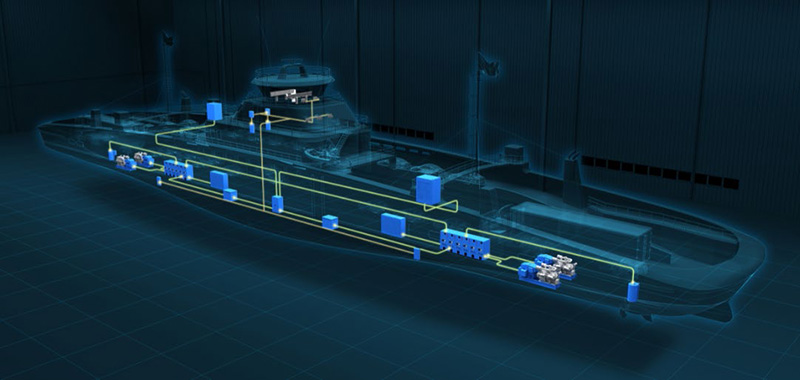
The hardware is pretty much the same,” says Svein Ove Farstad. “The difference lays within the software and the integration. For 20-30 years we have been working with shaft generators or gensets, and a switchboard. Now we have a battery system we want to see working in the same way, as a generator. But it doesn’t behave the same way. How do we get all the systems to talk the same language?”

“We needed to learn and interact with a lot of designers and shipowners and to understand very fast what were the requirements. Then we needed to quote. We wanted to bring the standards of the offshore industry in the ferry world.”

“Because of the time pressure of the Government there was no time for R&D in the offices. We needed to install on the ferries and do the development onboard. Each ship is different, with a unique combination of batteries and generators, different routes etc. Each vessel needs a different approach. We learned a lot and I hope it is going to give us a commercial advantage when we start to export our technologic knowledge.”

The Type 936 ferries are designed by Havyard. The hulls were assembled at the Cemre shipyard in Turkey before being towed to Norway for completion.

Click on the photo for technical details.

!! BREAKING NEWS !!

By 2019 Newsletter week 36

New Amsterdam-Newcastle Ferries To Create More Value For Passengers And Freight Customers

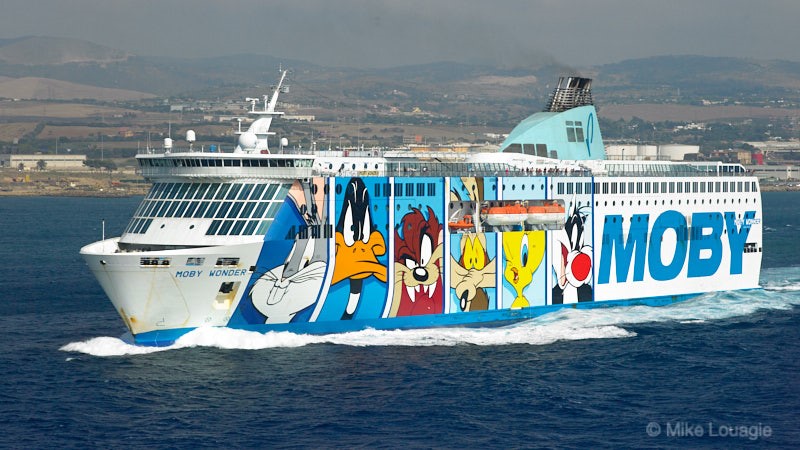
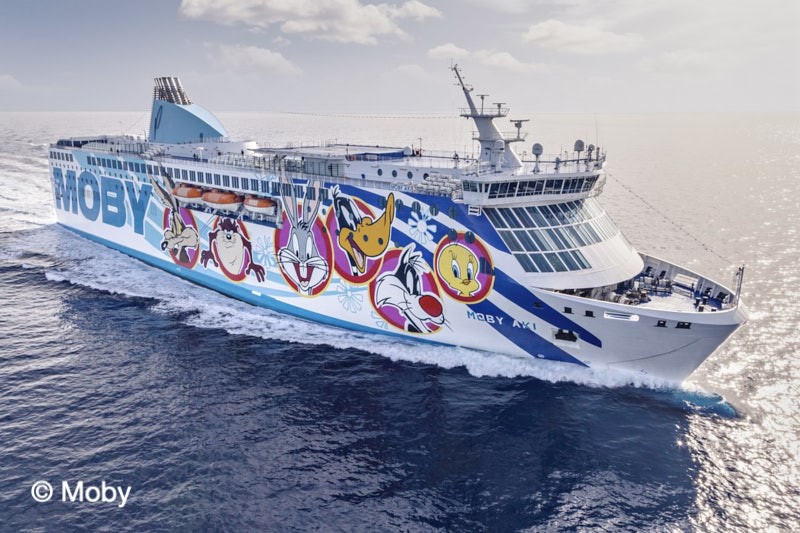
DFDS has entered into an agreement with Moby to acquire the two ro-pax ferries MOBY WONDER and MOBY AKI, for the purpose of raising the customer experience and the capacity for both passengers and freight customers on the Amsterdam-Newcastle route. The ferries are built in 2001 and 2005, respectively.

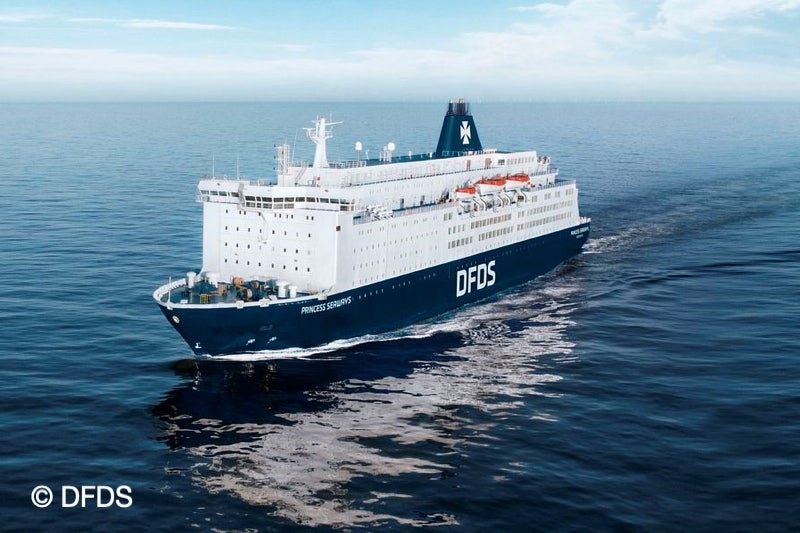
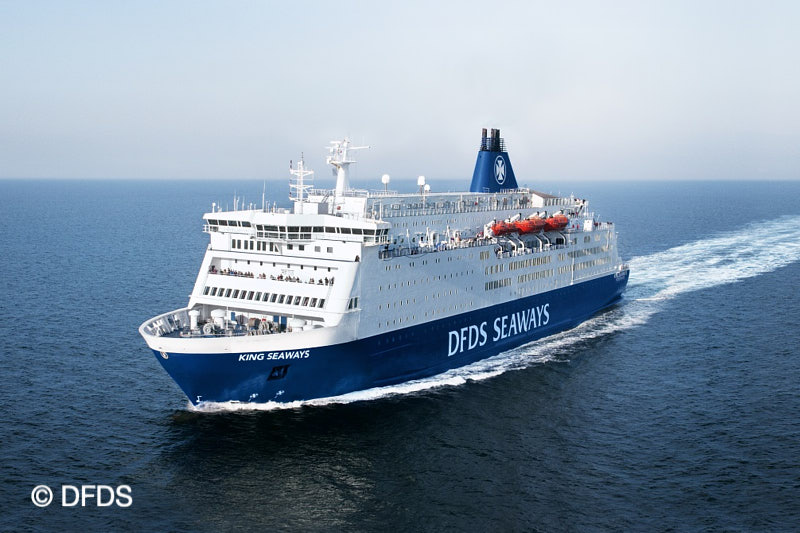
Moby will in turn acquire the two passenger ferries currently operating on Amsterdam-Newcastle — KING SEAWAYS and PRINCESS SEAWAYS, built in 1987 and 1986, respectively.

“The new ferries are ideally suited for our Amsterdam-Newcastle route. Their modern onboard facilities and higher car-deck capacity will allow us to grow revenue by fulfilling the growing demand from high-yield car passengers. To freight customers, we will be able to offer increased capacity that can remain constant throughout the year”, says Peder Gellert Pedersen, EVP and Head of DFDS’ Ferry Division.

The agreement is expected to be completed in the second half of October 2019. DFDS will subsequently bareboat-charter King Seaways and Princess Seaways from Moby until January and February 2020, respectively.

Meanwhile, the acquired ferries from Moby will be refurbished to suit the Amsterdam-Newcastle route. This includes commercial and technical investments on board as well as port investments. The refurbished ferries are expected to be deployed on Amsterdam-Newcastle during the first quarter of 2020.

The freight capacity will increase around 40% on a full-year basis. The car capacity will increase around 5% on a full-year basis supported by a cabin configuration that is well suited to the requirements of holiday-makers travelling by car.

In 2018, Amsterdam-Newcastle carried more than 600,000 passengers, 122,000 passenger vehicles and 350,000 lane metres of freight.

The capacity increase will provide an opportunity to accommodate further growth in trade and travel, including a large tourism flow, between UK and Continental Europe.

Renewal supports WIN23 strategy and ambitions
In June 2019, DFDS launched the WIN23 strategy driven by four strategic pillars. The renewal of Amsterdam-Newcastle is a key part of the fourth pillar: Creating more value for passengers.

“I’m very pleased to already be able tick off an important milestone of our WIN23 strategy. We now have a strong set-up to continue to grow the route”, says Torben Carlsen, CEO of DFDS.

Revised outlook 2019

The expected completion in October 2019 of the sale of the two ferries is estimated to entail an accounting profit of around DKK 100m to be recognised under Special items in Q4 2019. The full-year outlook for Special items is thus increased to
DKK 70m from previously DKK -30m.

The investment in the renewal, including proceeds from the sale of Princess Seaways and King Seaways, is expected to amount to around DKK 1.0bn of which DKK 650m is expected to be paid in 2019. The remaining DKK 350m is expected to be paid in 2020. The investment includes a substantial investment in refurbishment.

The investment outlook for 2019 is therefore changed to around DKK 3.4bn from previously DKK 2.8bn.

(Press release DFDS)

MOBY WONDER  

  • Built 2001 by Daewoo
  • LOA 174m
  • GT 36,093
  • Pax 1880 (1190 in cabins)
  • Lane metres 1950
  • Cars 665

MOBY AKI

  • Built 2005 by Fincantieri
  • LOA 175m
  • GT 36,400
  • Pax 2080
  • Lane metres 1950
  • Cars 710

PRINCESS SEAWAYS

  • Built 1986 by Schichau Seebeckwerft
  • LOA 161m
  • GT 31,356
  • Pax 1700 (1320 in cabins)
  • Lane metres 1400
  • Cars 550

KING SEAWAYS

  • Built 1987 by Schichau Seebeckwerft
  • LOA 161m
  • GT 31,395
  • Pax 2280 (1686 in cabins)
  • Lane metres 1250
  • Cars 550