
In October 2021, AS Tallink Grupp transported:
412,046 passengers (+153.9%)
34,138 cargo units (+22.8%)
63,923 passenger cars (+37.4%)


In October 2021, AS Tallink Grupp transported:
412,046 passengers (+153.9%)
34,138 cargo units (+22.8%)
63,923 passenger cars (+37.4%)
Initially scheduled on 1 November 2021, the launch of the new shipping line between the port of Calais and the port of Tilbury has been postponed to the first quarter of 2022.
“Due to a failure of our partners, Blue Channel Line has been forced to postpone the launch of its line.” Blue Channel Line was going to charter a Suardiaz vessel.

Group Results (1 January – 31 August)
+Revenue SEK 1,624 million (SEK 1,393 million)
+Operating profit SEK 193 million (SEK 115 million)
+Profit after financial items SEK 219 million (SEK 129 million)
Ferry
+43% passengers
The improvement in earnings is largely due to more travellers and visitors to and from Gotland. Demand for travel has increased after the authorities eased the corona restrictions.
The newly started ferry line between Nynäshamn and Rostock which is operated by Hansa Destinations AB is a long-term investment that in the long run can contribute to the group’s result.
The Kattegat’s three fast ferries have been busy like never before in the autumn holidays.
A new record has been set.

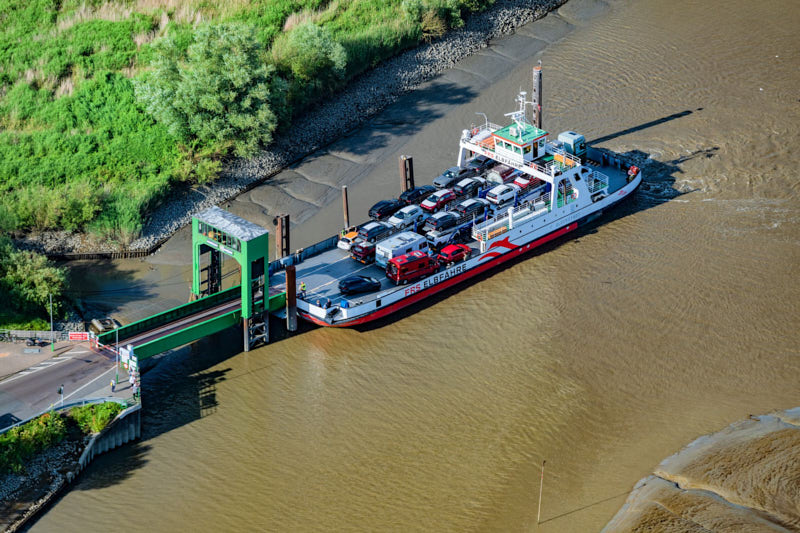
After the first year, FRS draws a positive conclusion about the takeover of the Elbfähre Glückstadt Wischhafen.
Future
FRS Elbfähre has developed a concept paper that sets up the future of the ferry line with green mobility for northern Germany.
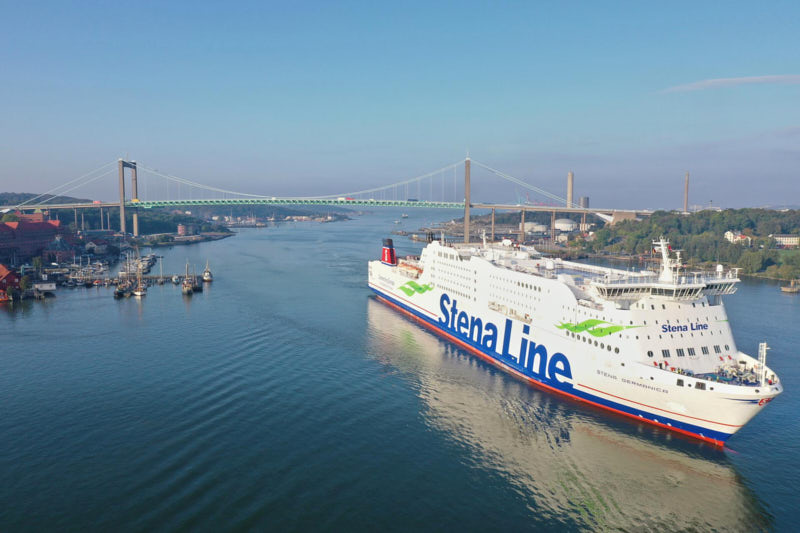
“Transitioning to low-carbon fuels will be essential to secure the long-term future of the industry. Methanol offers not only immediate, and urgently required, benefits but the only clear pathway to a sustainable future,” says Stena.
Proman and Stena are committed to jointly developing a Retrofit & Supply solution, enabling both Stena’s vessels as well as third party vessels to experience the immediate environmental benefits and greenhouse gas emission reductions delivered by methanol.
Ferry Shipping News already wrote about this report from XRTC Consultants. Below you can now access the English version of this study.
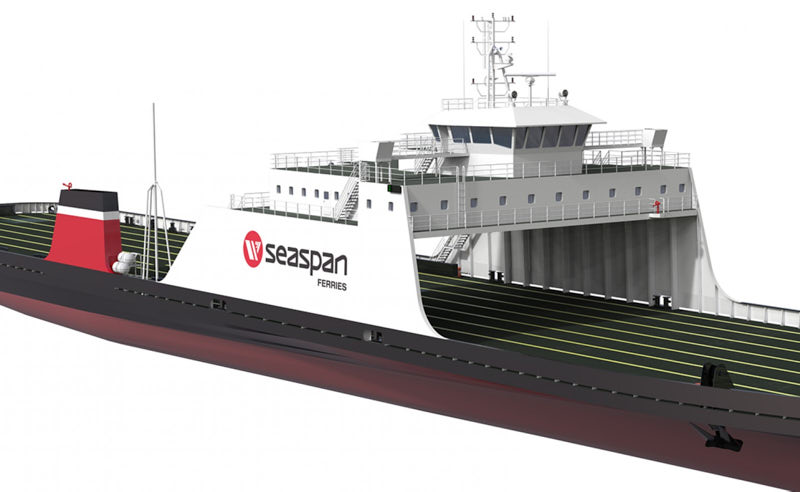
Seaspan became the first Canadian marine company to pilot the use of Renewable Natural Gas (RNG) to reduce greenhouse gas emissions produced by its LNG-powered fleet. Seaspan expects that data from the pilot will confirm that, by using RNG, greenhouse gas emissions can be reduced by upwards of 85 per cent versus traditional diesel fuel.
Seaspan has worked closely with FortisBC Energy Inc. to secure a source of certified carbon neutral RNG.
When bacteria break down organic waste from sources such as landfill sites, agricultural waste and wastewater from treatment facilities, it produces a biogas mostly made of methane. FortisBC captures and purifies this biogas to create RNG, a certified carbon neutral energy source, preventing the release of methane into the environment.
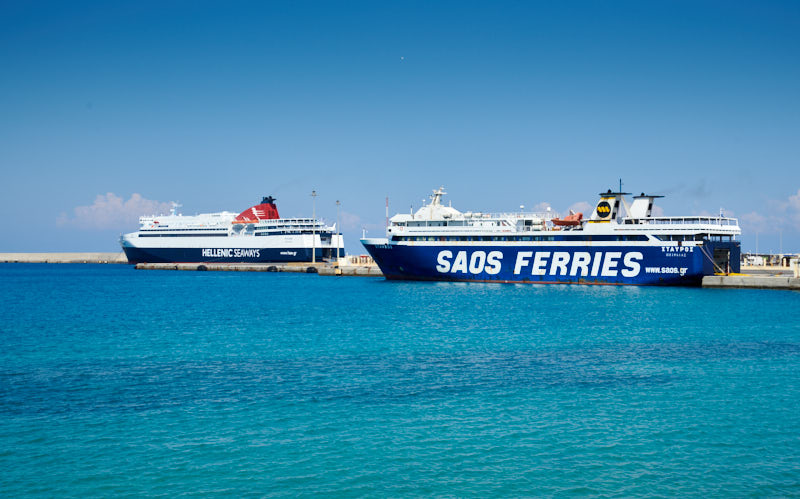
Two veteran ferries have been sold for scrap, reportedly for US$ 525 LT LDT.
MASARRAH, 1977 (ex ST. COLUMBA, STENA HIBERNIA, STENA ADVENTURER, EXPRESS APHRODITE)
MAHABBAH, 1972 (ex CASSIOPEIA, IONIAN STAR, SUPERFERRY…)

The Mull & Iona Ferry Committee have been undertaking an extensive public consultation on what the users want from their new ferries.
The completed Specification of User Requirements (SUR) was delivered to the Government department that manages the ferry system, Transport Scotland.
Extract:
“The central criticism has been that whilst communities needed a larger number of smaller vessels, what was delivered is a small number of very large vessels. Take for example the Loch Seaforth, operating between Ullapool and Stornoway – islanders on Lewis wanted two smaller vessels, because they could see that would give them higher capacity, more sailings, and more reliability. Instead they got one large ferry, that delivers just two departures per day, and then runs an overnight freight service that used to be operated by a separate vessel.”
