

Dover: The UK’s Most Consequential Trade Gateway

By 2026 Newsletter week 11

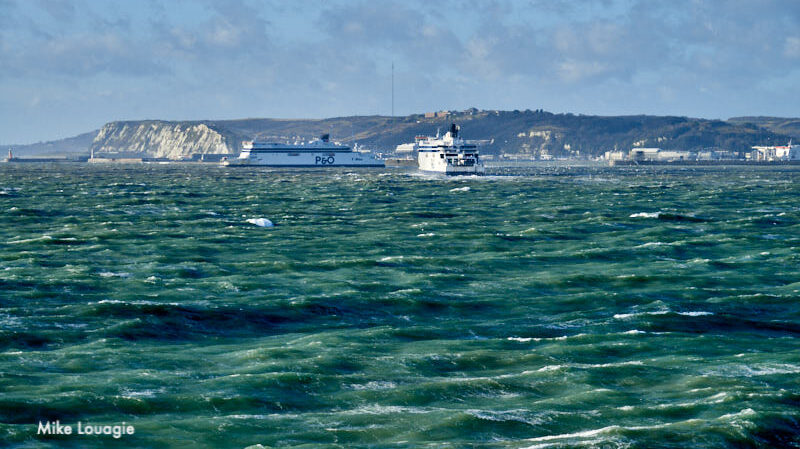
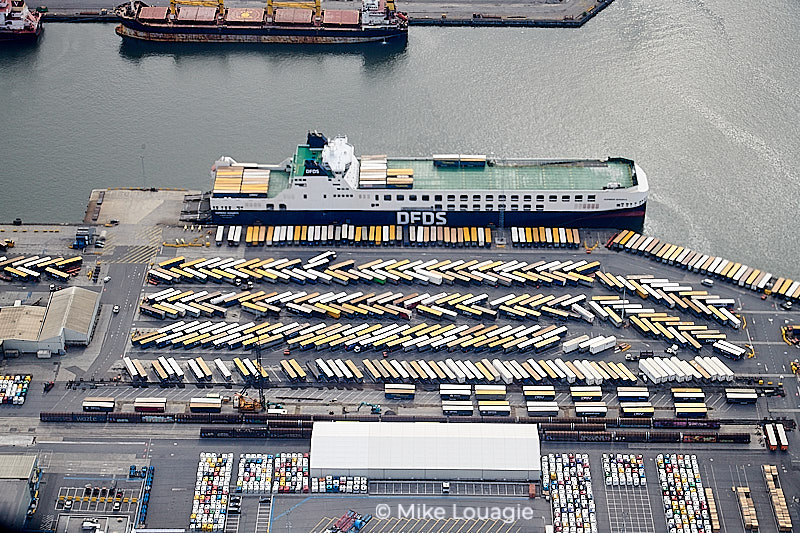
Handling more than £144bn of trade each year, the Port of Dover plays a central role in UK supply chains. Around 2 million freight vehicles and 10 million passengers pass through the port annually, representing one third of all UK–EU trade in goods.

CEO Doug Bannister describes Dover as “probably the single most economically consequential piece of UK national infrastructure,” underlining its importance for food supply, medicines and just-in-time manufacturing logistics.

The port is calling for targeted infrastructure investment, including support for the Lower Thames Crossing, improvements to the A2 access road, and additional secure lorry parking capacity in Kent to strengthen supply chain resilience.

Dover is also investing in digital border processing, including a new facility to support the EU’s Entry Exit System (EES), and exploring the creation of a green shipping corridor on the Dover–Calais route. Electrification of the short straits would require a major upgrade of the port’s electricity supply, from 8 MW today to around 170 MW.
Click and read the full interview with Doug Bannister:

Dover Among First to Launch EU Entry/Exit System

By 2025 Newsletter week 37

The Port of Dover will be one of the first French border sites to roll out the EU’s new Entry/Exit System (EES) from 12 October. The phased start will initially cover coach passengers, with car, motorbike and foot passengers to follow from 1 November. EES requires non-EU visitors to the Schengen area to register passport data, answer short questions, and provide facial and fingerprint biometrics.

Full article in The Connexxion

Green Shipping Corridor (1): Dover, Calais, Dunkerque

By 2022 Newsletter week 42

UK Transport Secretary Anne-Marie Trevelyan announced that the Port of Dover has been successful in its bid to fund the Green Corridor Short Straits (GCSS) consortium’s feasibility study to establish a zero-carbon trade route, a partnership which also includes French sister ports, Calais and Dunkirk.

The Green Corridor Short Straits study focuses on the route between the Port of Dover and the Ports of Calais and Dunkirk will support the transition to green crossings to and from the UK, making way for zero-emission vessels, leisure crafts and workboats in the future.

Green Shipping Corridor (2): Gent – Göteborg

The services between the Port of Gothenburg and North Sea Port (Ghent) have been a key route for Swedish and Belgian industry and food supplies. The route will become a green corridor, as the port authorities have come together, aiming toward using alternative fuels for seagoing vessels by 2025.

Green Shipping Corridor (3)

According to the Clydebank Declaration established at the COP26 climate summit a “Green Corridor” means that a shipping route between two ports is served by green marine transport operations. The Clydebank Declaration was signed by Sweden, Belgium and 30 other countries during COP26, and states that the countries in question shall promote the climate transition of the shipping industry by supporting and encouraging green shipping corridors.

FERRY PORTS

By 2020 Newsletter week 41

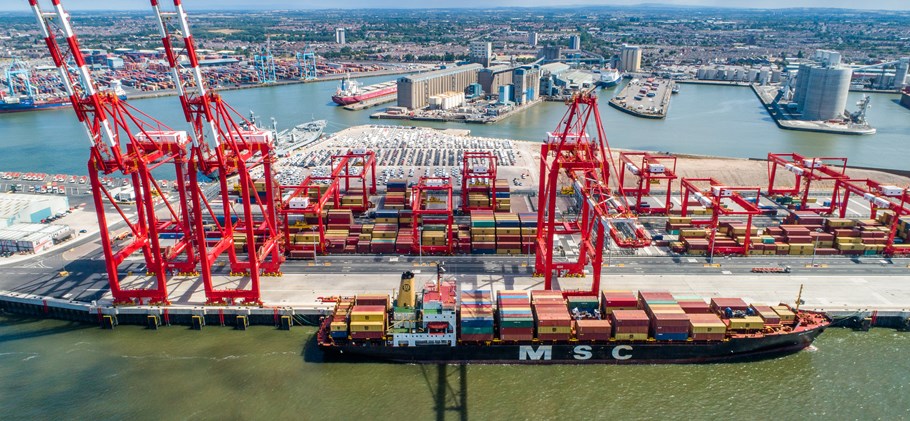
Liverpool Port Responds to Fears of 7,000 Trucks Delayed at Dover

Peel Ports Group Commercial Director Stephen Carr said Port of Liverpool facility is ideally placed to contribute to the “Team UK Approach” needed to overcome major Brexit delays at Dover, following a stark warning from cabinet minister Michael Gove.

Logic

  • The Dover Straits now accounts for roughly 75% of all ferry trade with the continent.

+

  • Much of the UK’s warehousing is situated in the Midlands and North of Britain.

=

“The Port of Liverpool is uniquely positioned to offer this proximity to market, which allows goods to reach their end destination more reliably and with less reliance on increasingly scarce truck drivers.”