

Lavrio Port Moves Ahead with Infrastructure and Cruise Growth

By 2026 Newsletter week 11

The Lavrio Port Authority (OLL S.A.) will sign a contract for the supply and installation of floating breakwaters and piers, following approval by the Greek Court of Audit. The project, prepared over five years, is expected to be completed in 2026.

Lavrio strengthened its position in the cruise market in 2025, targeting homeporting for small and medium-sized luxury cruise ships. Cruise bookings for 2026 already exceed 250 calls, up from 156 in 2025.

The port was also the second most profitable state-owned port in Greece in 2025. In parallel, it coordinates an EU-funded consortium preparing the ports of Lavrio, Corfu, Rafina and Kavala for shore power (cold ironing) infrastructure by 2030.

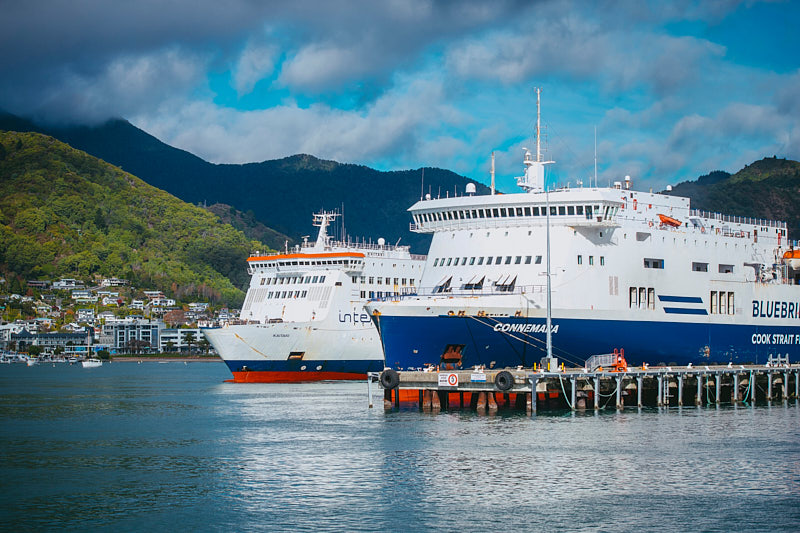
Port Marlborough and StraitNZ Bluebridge Sign Long-Term Partnership Agreement

By 2026 Newsletter week 11

Port Marlborough and StraitNZ Bluebridge have confirmed their long-term partnership this week through a new 39-year commercial agreement that secures the future of StraitNZ’s Cook Strait ferry services through Waitohi Picton to 2064.

The agreement provides long-term certainty for StraitNZ’s operations in Picton and enables further coordinated planning for both businesses to support freight and passenger services across Cook Strait over the next four decades.

Source: Port Marlborough

Port Of Turku Takes A Digital Leap With Passenger And Traffic Management System

By 2026 Newsletter week 11

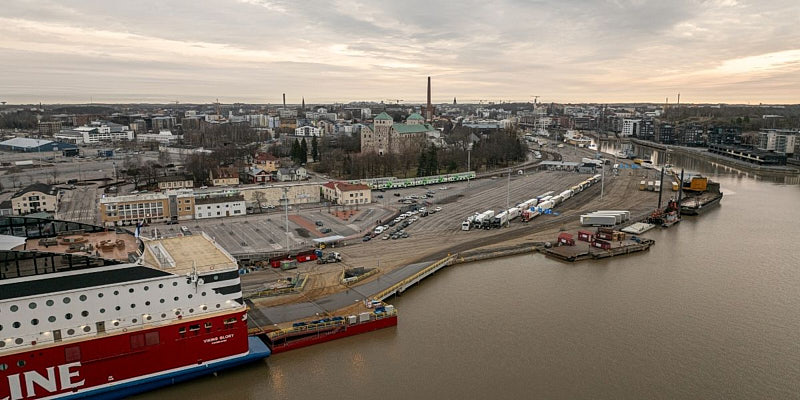
The Port of Turku will introduce a new passenger and traffic management system at its upcoming ferry terminal. The contract was awarded to the local company Weasel Software after a competitive tender.

Key elements of the project:

  • The system will manage passenger flows, vehicle check-in, and boarding in the new terminal area.
  • Delivery includes software, gates, measuring devices, and digital signage.
  • Weasel Software will also provide maintenance and support after commissioning.

The new system aims to streamline departures and improve peak-period operations. This is particularly important as the terminal is designed to handle two passenger and freight ferries arriving and departing simultaneously within one hour.

Automated and integrated processes will allow simultaneous departures from a shared waiting area, reducing manual work and improving operational efficiency.

According to the port, the system is a key element of the Ferry Terminal Turku project, which aims to deliver a smoother experience for passengers and shipping companies.

Port of Turku in numbers:

  • 2 million passengers annually
  • 80,000 trucks per year
  • 1,500 vessel calls annually

The Port of Turku is one of Southwest Finland’s key transport hubs for passenger and freight ferry traffic.

Source: Port of Turku

Photo: Port of Turku – Tuukka Salo

CER and ESPO Call for Stronger Rail–Port Connectivity

By 2026 Newsletter week 11

Turkish civil society organisations have renewed their call for the removal of Aliağa shipbreaking yards from the EU list of approved ship recycling facilities, citing severe pollution and systemic mismanagement.

During a meeting with the European Commission (DG ENVI) on 24 February, NGOs highlighted environmental degradation in the area, including contamination with Persistent Organic Pollutants (POPs) linked to ship recycling activities. They also pointed to several recent incidents at yards that remain on the EU list, including the discharge of unidentified liquids during the dismantling of the vessel LILY HA.

The organisations argue that the current situation poses significant environmental and health risks and are calling for the suspension of Aliağa facilities from the EU list until improvements are implemented.

Click and read the open letter: 

Full Charge ahead: Investigating the Potential to Electrify Europe’s Ferries

By 2026 Newsletter week 11

A new report by Transport & Environment (T&E) warns that ferry pollution in several European port cities can exceed emissions from all cars combined.

However, the study highlights that the transition is achievable: at least 60% of Europe’s ferry fleet could operate on batteries by 2035, and 52% of ferries would already be cheaper to run as electric vessels compared with fossil-fuel alternatives.

According to T&E, battery technology is no longer the main obstacle. The key challenge lies in port infrastructure, particularly the deployment of high-power charging. The report notes that 57% of ports would only require chargers below 5 MW.

Source: Transport & Environment

Read the full report: [link]

EU Directive on Empowering Consumers for the Green Transition: Deadline for National Implementation

By 2026 Newsletter week 11

EU Member States must implement the Empowering Consumers for the Green Transition Directive by 27 March 2026. The directive (EU) 2024/825 strengthens consumer protection and targets misleading environmental claims.

It amends the Unfair Commercial Practices Directive and the Consumer Rights Directive to improve transparency on sustainability and product durability.

Key elements include:

  • Stricter rules on environmental claims to combat greenwashing.
  • Ban on vague claims such as “eco-friendly” or “green” without clear evidence.
  • Restrictions on “carbon neutral” claims based solely on offsetting.
  • New information requirements on durability, repairability, and software updates.

For ferry operators, ports, and suppliers, the directive will affect how environmental and sustainability claims are communicated to consumers.

Companies will need to ensure that all green claims are substantiated, specific, and verifiable. Marketing language and sustainability messaging will likely require review before the rules start applying in September 2026.

Dover: The UK’s Most Consequential Trade Gateway

By 2026 Newsletter week 11

Handling more than £144bn of trade each year, the Port of Dover plays a central role in UK supply chains. Around 2 million freight vehicles and 10 million passengers pass through the port annually, representing one third of all UK–EU trade in goods.

CEO Doug Bannister describes Dover as “probably the single most economically consequential piece of UK national infrastructure,” underlining its importance for food supply, medicines and just-in-time manufacturing logistics.

The port is calling for targeted infrastructure investment, including support for the Lower Thames Crossing, improvements to the A2 access road, and additional secure lorry parking capacity in Kent to strengthen supply chain resilience.

Dover is also investing in digital border processing, including a new facility to support the EU’s Entry Exit System (EES), and exploring the creation of a green shipping corridor on the Dover–Calais route. Electrification of the short straits would require a major upgrade of the port’s electricity supply, from 8 MW today to around 170 MW.

Click and read the full interview with Doug Bannister:

Port Of Igoumenitsa Pushes Digital And Green Development

By 2026 Newsletter week 11

The Port of Igoumenitsa is strengthening its role as a key Adriatic gateway by investing in digitalisation and sustainable infrastructure. The Greek RoPax hub aims to improve operational efficiency while supporting the decarbonisation of maritime transport.

Strategically located at the entrance to the Adriatic, the port connects Greece with Italy through routes to Bari, Brindisi, Ancona, and Venice, while also serving Corfu and Paxoi. Authorities highlight growing passenger, truck, and vehicle traffic, prompting further infrastructure upgrades to handle larger RoRo and RoPax vessels.

The development plan focuses on modernising facilities, expanding capacity, and integrating digital tools to optimise operations. At the same time, the port is adopting green practices aligned with European policies for sustainable mobility and transport decarbonisation.

Click for the link