
La Méridionale has confirmed the sale of KALLISTE for demolition after 33 years of service. The 1993-built RoPax is heading to EU-approved Turkish yard Sök Denizcilik.
Photo Jean-Pierre Fabre
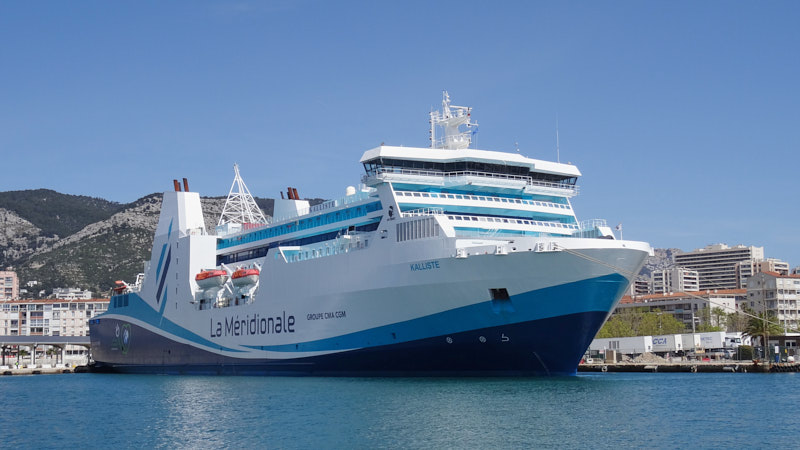
La Méridionale has confirmed the sale of KALLISTE for demolition after 33 years of service. The 1993-built RoPax is heading to EU-approved Turkish yard Sök Denizcilik.
Photo Jean-Pierre Fabre
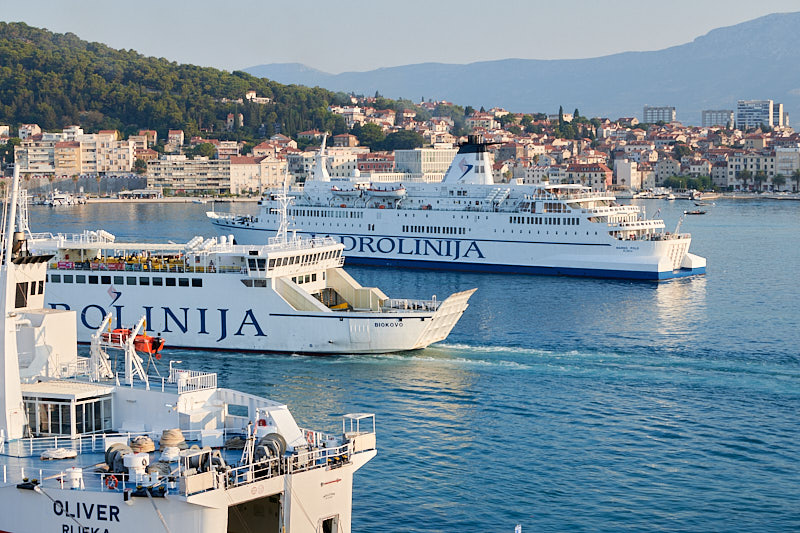
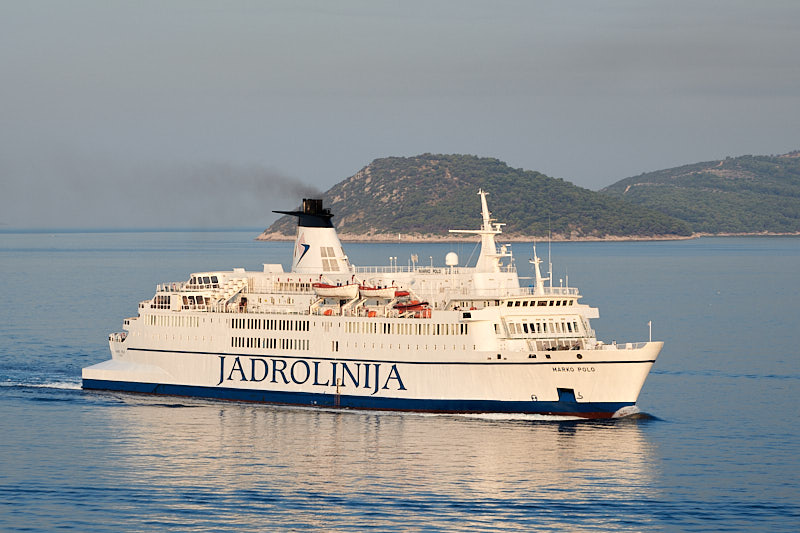
Jadrolinija will adjust its fleet deployment in 2026. MARKO POLO will leave international service and be redeployed on domestic routes, while DALMACIJA becomes the backbone of international operations, sailing year-round on Split–Ancona and seasonally on Split–Bari and Dubrovnik–Bari.
Photo Mike Louagie
Source: Jadrolinija (in Croatian)
Just a few weeks after the tragedy in Mali Lošinj, where three seafarers aboard the LASTOVO ferry lost their lives, Croatian shipping company Jadrolinija is launching an immediate plan to renew its fleet, which has an average age of 28 years.
The Italian newspaper Il Piccolo reported that the shipping company’s general manager, David Sopta, revealed that two catamarans, built in 2023, have just been purchased for 11.4 million euros and will be added to the fleet from November.
Constructed last year at Indonesia’s Cahaya Samudra Shipyard, the two fast ferries are 38 metres long, 10 metres wide, powered by 2,880-kilowatt engines, and capable of carrying up to 312 passengers each.
The vessels, intended to be renamed CVIJETA and RUŽICA, are similar to the KATA and DANICA catamarans purchased by Jadrolinija in 2023, which were built at the same Indonesian shipyard.
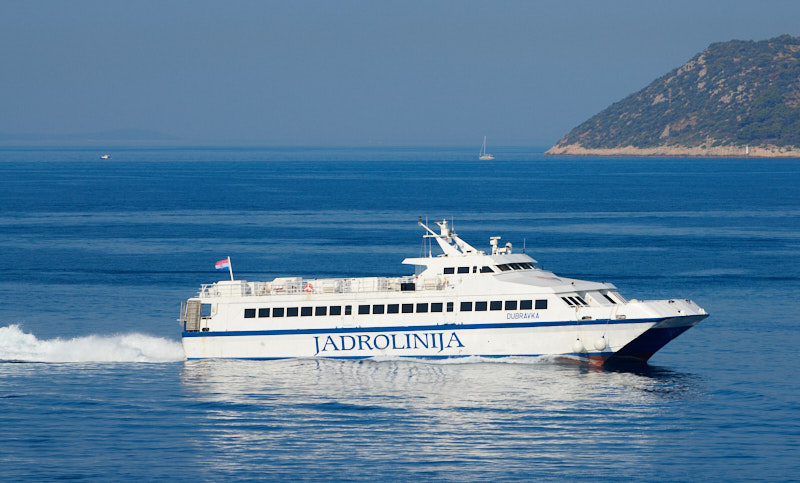
These acquisitions should allow the Croatian company to retire older vessels, such as the DUBRAVKA catamaran (photo Mike Louagie).
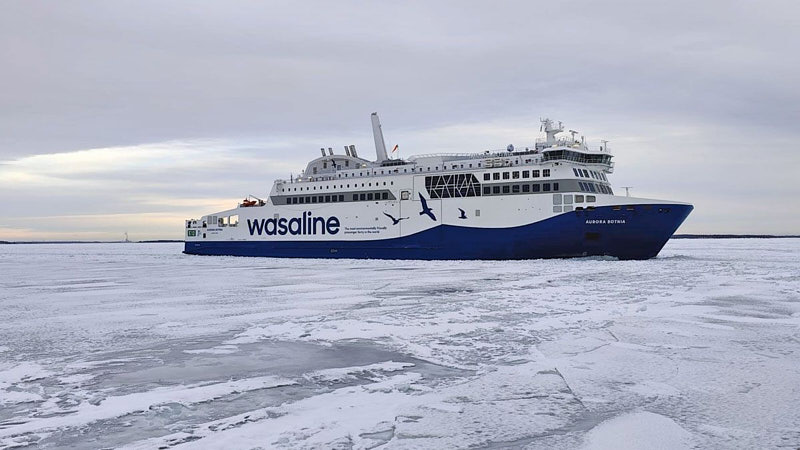
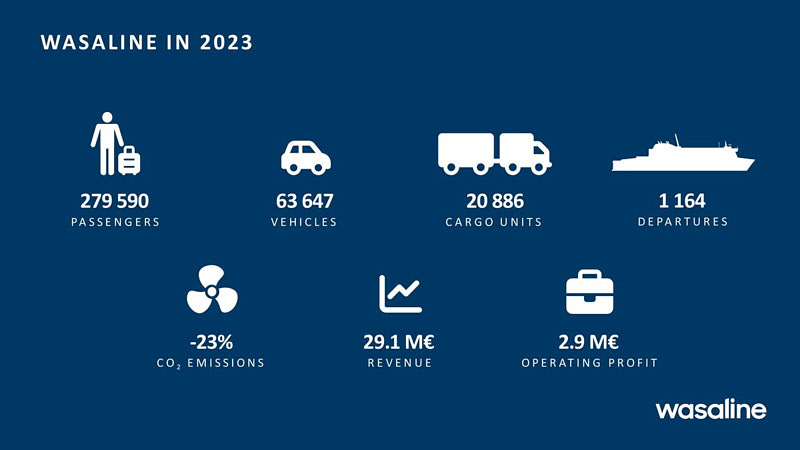
During the financial year, further measures have been taken to reduce energy consumption and environmental impact. Emissions of CO2 have decreased by 23%. During the year, the use of LNG increased. In the autumn, Aurora Botnia operated one day a week with certified Biogas. Utilization of the battery technology was also optimized. All of this contributed to this decrease.
Since the start of traffic of AURORA BOTNIA in 2021, Wasaline has reduced its CO2 emissions by 29% per trip and in 2023 CO2 emissions were reduced by 23%.
The passenger side showed an increase compared to 2022, despite that the bookings decreased significantly in the last quarter due to the recession.
Passenger volumes increased by 4.4% and turnover by 5.4%.
Departures increased by 2.7% to 1,164 departures.
Cargo lost volumes. Mainly it was imports to Finland that decreased. All shipping to Russia was cancelled and demand for paper decreased, which led to the amount of cargo units falling by 5.9%
The result before appropriations and taxes amounted to +3.2 million (2022 +3.3 million).
TRAFFIC STATISTICS
| (numbers) | 2023 | 2022 |
| Departures | 1 164 | 1133 |
| Passengers | 279 590 | 267 757 |
| Passenger Vehicles | 63 647 | 55 661 |
| Cargo units | 20 886 | 22 191 |
KEY FIGURES
| (1000 €) | 2023 | 2022 |
| Revenue | 29 107 | 29 293 |
| Operating profit | 2 902 | 3 292 |
| Operating profit % | 10,0 % | 11,2 % |
| Equity ratio | 61,7 % | 63,05 % |
The European Commission has concluded that the State guarantee model granted by Denmark and Sweden for the construction of the Øresund fixed rail-road link does not constitute new aid within the meaning of EU State aid rules.
The Commission has also found that part of the tax support implemented by Denmark constitutes new aid that is disproportionate and therefore not compatible with the Treaty. Denmark must now recover the incompatible aid, including interest.
In October 2014, following a complaint by a ferry company, the Commission found that Denmark and Sweden’s support to the consortium owning and operating the Øresund fixed rail-road link, Øresundsbro Konsortiet I/S, was in line with EU State aid rules.
Denmark and Sweden’s support took the form of a State guarantee on the loans taken out by the consortium to finance the link. Denmark also provided the Danish parent company of the consortium, A/S Øresund, with special tax treatment as concerns depreciation of assets and fiscal loss carry forward.
In September 2018, the General Court partially annulled the Commission’s 2014 decision on procedural grounds.
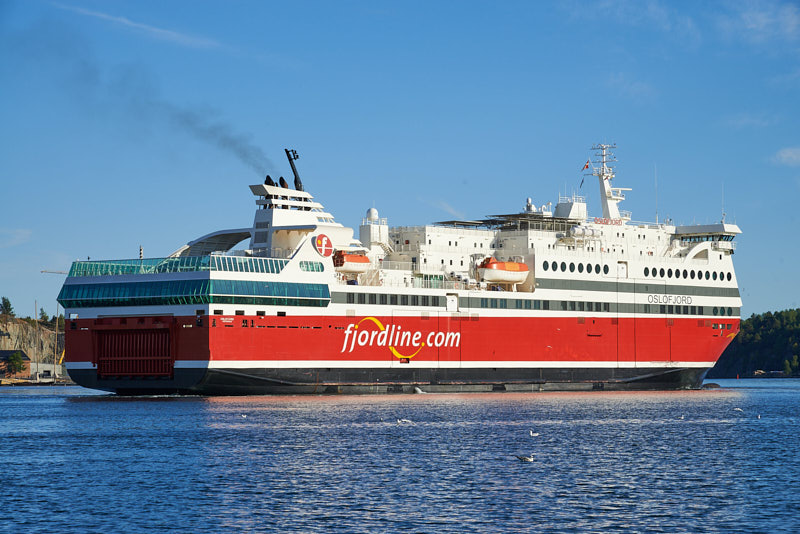
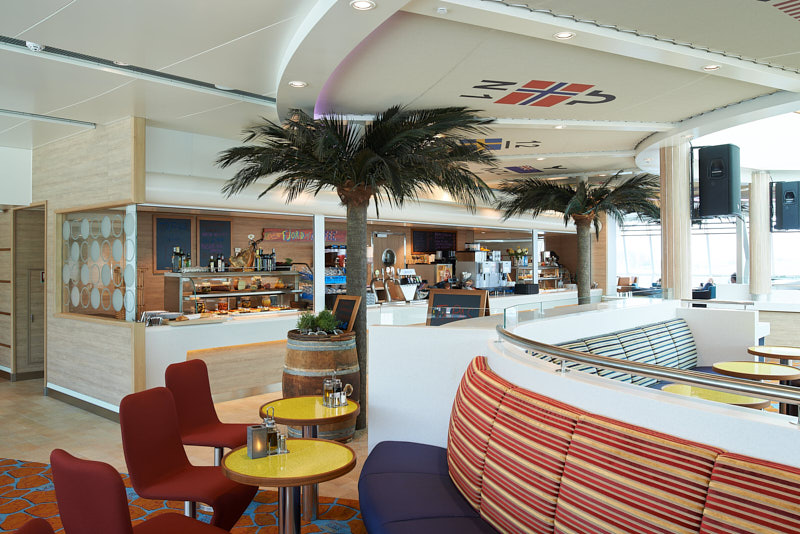
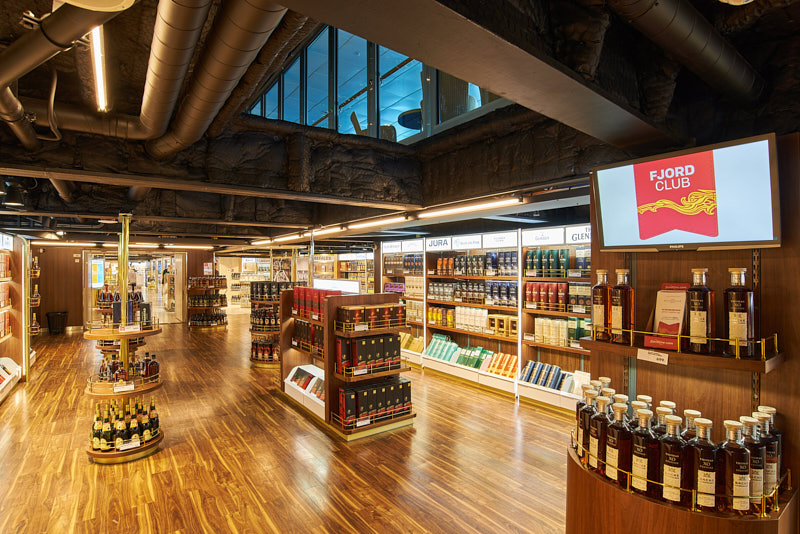
Jadrolinija has acquired OSLOFJORD, primarily for its international route between Croatia and Italy.
The ship is expected in Croatia at the end of this month, after which it will go to a shipyard, probably Viktor Lenac.
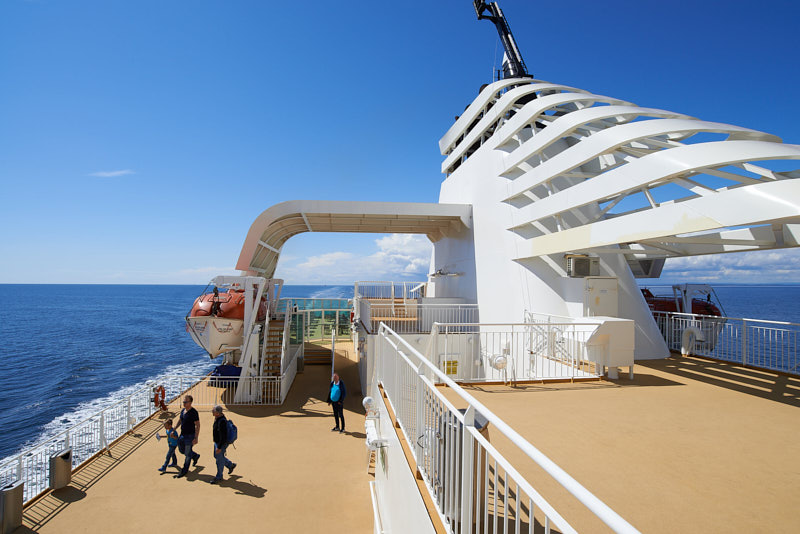
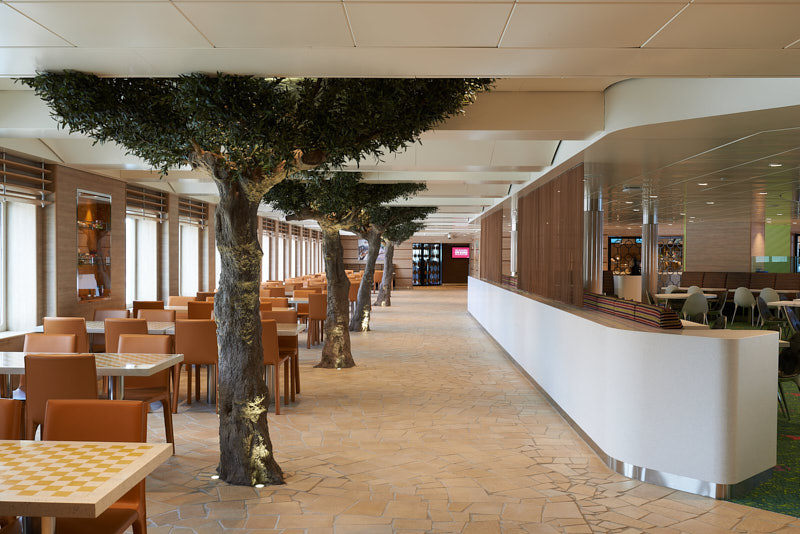
OSLOFJORD was built in 1993 at the Swedish shipyard Bruce Shipyard, was equipped in Norway and completely renovated in 2014 in Finland. Most cabins were then removed. A crossing between Dubrovnik and Bari is to take about six and a half hours. [timetable]
The vessel has been used a day ferry between Sandefjord and Strömstad, with tax free sales as main income. Since both Croatia and Italy belong to the EU, duty free sales will not be possible.
Photo: Mike Louagie
Croatia’s government granted approval to Jadrolinija to borrow 10.7 million euro from local banks to buy two passenger ships.
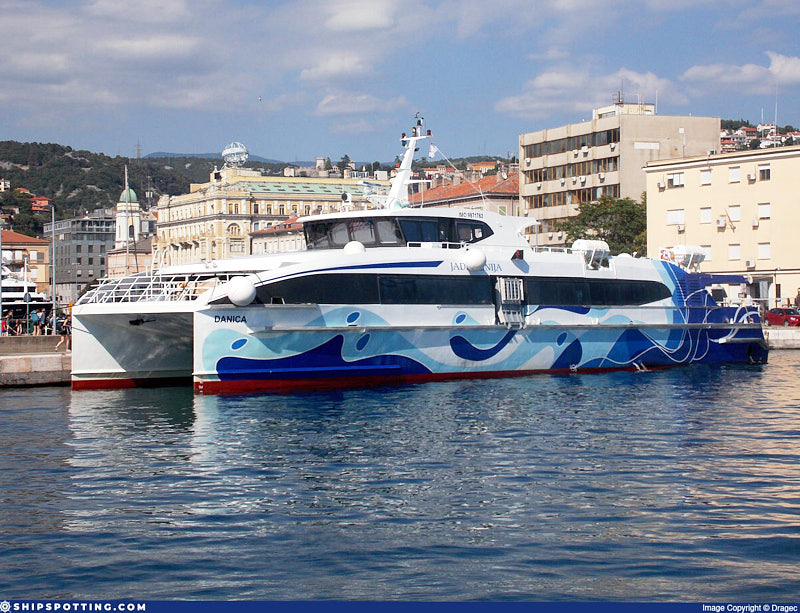
Erste & Steiermaerkische Bank will provide a loan of 5.2 million euro that will finance 80% of the purchase price of catamaran DANICA (IMO n°9871763).
Privredna Banka Zagreb will provide the other loan, worth 5.5 million euro, which will cover 80% of the cost of the catamaran KATA (IMO n°9862138).
Source: SeeNews
Photo: Dragec – Shipspotting
Croatian media reported earlier this week that the state-owned ferry company Jadrolinija said it has rejected all seven bids submitted in a public procurement procedure for the construction of three electricity-driven passenger ships, with an estimated total value of EUR 45 million.
None of the submitted bids was eligible, according to a notice published by Jadrolinija in state gazette Narodne Novine.
According to documents, published in Narodne Novine, four foreign shipbuilders – Spanish Astilleros Armon, Estonian Baltic Workboats, Italy’s Cantiere Navale Vittoria and Dutch Holland Shipyards – submitted bids in the tender for the construction of the vessels.
The other bidders were three consortia led by local companies – a tie-up of the Brodotrogir Cruise shipyard and engineering company Tema Automatizacija; a consortium of local shipyard Dalmont and engineering companies TSI and Inmel; and a consortium of local shipyard Iskra Brodogradiliste 1 and engineering company Navis Concept, Turkish marine engineering company Gozuyılmaz and Tukish shipyard Ozata.
The tender was opened in January.
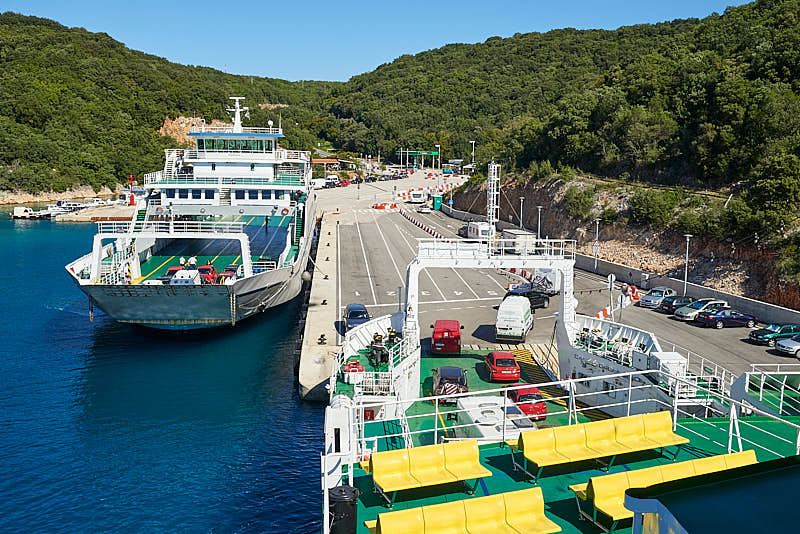
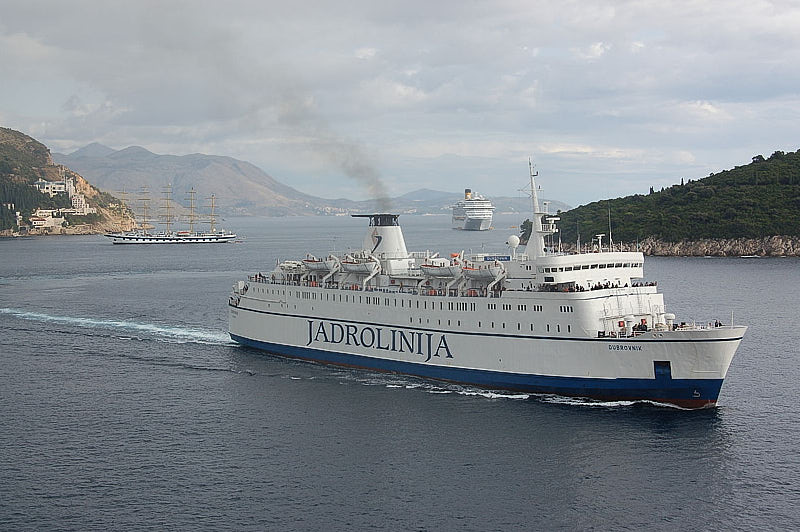
According to recent information, Jadrolinija’s DUBROVNIK (1978, former DUCHESSE ANNE) was sold, probably to a Greek ferry operator for the Italy-Albania service.
However, Croatian media supports the idea that she might be scrapped.
The Irish-built vessel was serving on the Bari – Bar and Bari – Dubrovnik lines since 1996 and currently is at the Viktor Lenac shipyard in Croatia.
The ship was initially offered for sale on October 15, 2022, following a tender announced by the Croatian national shipping company at an estimated minimum price of EUR 2.85 million. However, none of the interested companies offered the minimum price and the ship was led to a second tender, where she was eventually sold at EUR 1,8 million.
What remains to be seen is who the mysterious buyer is.