A Little History
Sea Lines, headquartered in Åland, Finland, was established in 2012 by the Eklund family. The company operated freight-oriented ferry services in the Black Sea region. Initially, Sea Lines partnered with Stena AB, forming Stena Sea Line, but Stena withdrew from the partnership in 2016.
The company’s primary route connected Haydarpasa in Turkey with Chornomorsk in Ukraine. In 2021, Sea Lines sold its sole vessel, the SEA PARTNER—a lengthened Stena Searunner Class ferry—to the Turkish Cenk Group. Following this sale, the company suspended its operations in the Black Sea.
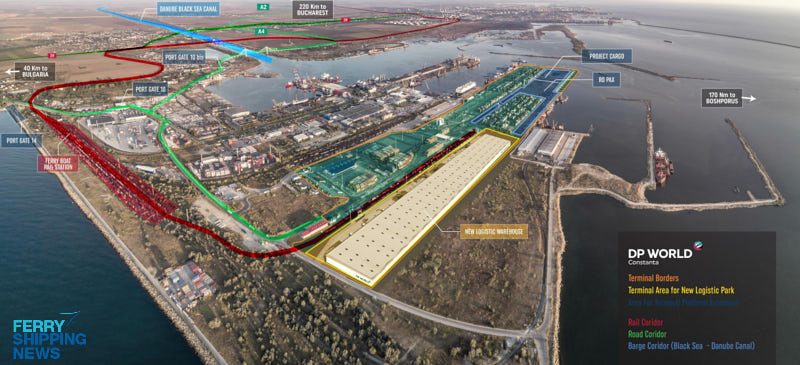
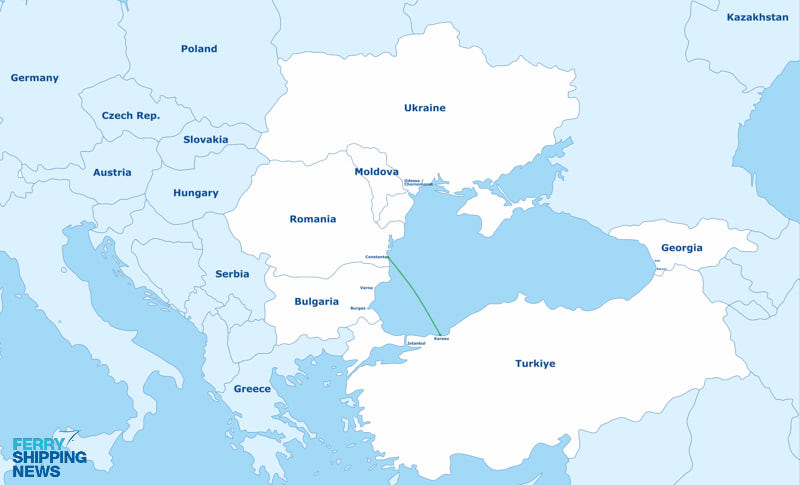
In 2024, Sea Lines announced plans to launch a new RoPax service between Constanța, Romania, and Karasu, Turkey, in partnership with DP World. The service was set to commence with the vessel URD in July 2024, aiming to establish a crucial trade corridor linking Turkey with Central Europe.
Questions to Joe Lindblom
Rumour has it that Sea Lines sold RoPax URD to Creta Cargo Lines. Is it true? Will she be replaced by another vessel, or is this the end of the service?
Sea Lines has indeed agreed to sell the URD following a strategic review of our operations. While we’re not in a position to confirm the buyer’s future deployment plans, our own ferry service between Turkey and Romania will be discontinued as of 7 April 2025, with the final sailing scheduled for 6 April. We understand that certain parties may be positioning themselves to continue operations on the route, but any such developments are beyond our influence.
What made the trade between Türkiye and Romania successful? What kind of cargo did you carry?
The trade between Türkiye and Romania has been driven by strong industrial and retail flows, including automotive parts, machinery, construction materials, and consumer goods. The route served as a fast and reliable bridge between southeastern Europe and Turkish production and distribution hubs, providing an alternative to road congestion and border delays.
In Constanța, were you operating from the DP World terminal? What were the synergies with DP World?
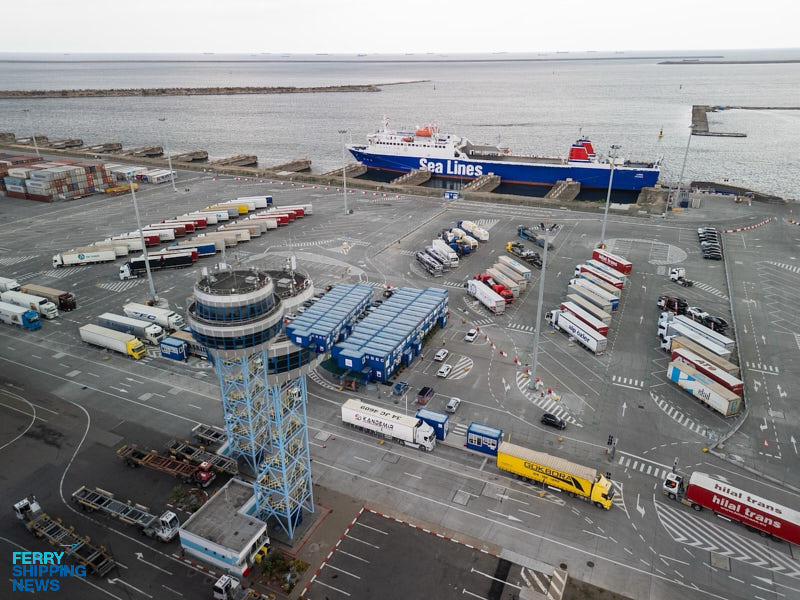
Yes, our operations were based at the DP World terminal in Constanța. The cooperation has been professional, and the terminal’s infrastructure provided an efficient platform for our service. While there are natural logistical synergies in using a modern, multipurpose terminal, our current decision to suspend service is based on broader strategic and operational considerations.
How has the ongoing conflict in Ukraine affected Sea Lines’ operations in the Black Sea, and what measures have you taken to ensure business continuity?
The conflict in Ukraine has added complexity to operating in the region, including increased risk assessments, rerouting considerations, and shifting demand patterns. We have continuously adapted our operations and maintained close dialogue with partners and authorities to ensure safety and reliability for both cargo and crew.
Looking beyond the crisis, how do you see the future of shipping in the Black Sea evolving? What long-term strategies is Sea Lines considering, and how does your route fit into a post-war Europe?
We remain optimistic about the long-term potential of the Black Sea as a critical link between Europe, the Caucasus, and Central Asia. While the current conflict has reshaped trade flows, we believe the region will regain strength as stability returns. Sea Lines continues to monitor developments and remains open to re-engaging with the market under the right conditions—whether through vessel ownership, chartering, or partnerships.
Creta Cargo Lines Purchases URD
Creta Cargo Lines is the buyer of Sea Lines’ RoPax URD. The vessel will be delivered on 10 April.
Creta Cargo Lines was founded in 2013 and has been steadily developing ever since. Today, it is a reliable partner of major energy companies and serves as a critical transport channel for the Aegean islands. The company operates regular routes with its privately owned RoRo ferries, TALOS and IOSIF K., transporting both standard and hazardous freight.
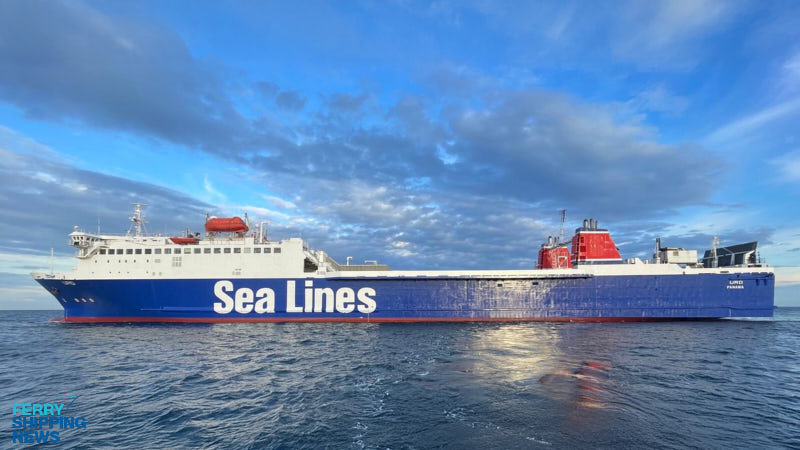
Built in Italy in 1981, URD has a capacity for 186 passengers and 1,598 lane metres.
DP World
Last year, DP World announced it had invested in a new RoRo terminal in Constanța, Romania. “This state-of-the-art facility represents a significant investment aimed at boosting trade and transportation efficiency in the region. The terminal is expected to enhance the port’s capacity to handle RoRo cargo, streamline operations, and strengthen Constanța’s position as a key logistics hub in Central Europe.” It will be interesting to see which operator steps in to replace Sea Lines.